Intel’s next-generation Arrow Lake Refresh processors are inching closer to retail shelves, with key SKUs now visible in European retailer listings—complete with pricing and specifications that confirm incremental rather than disruptive upgrades. While the chips won’t hit stores until Intel’s official announcement, the leaked details paint a picture of modest performance gains without premium price hikes, a strategy likely aimed at maintaining competitive footing against AMD’s Ryzen 9000 series.
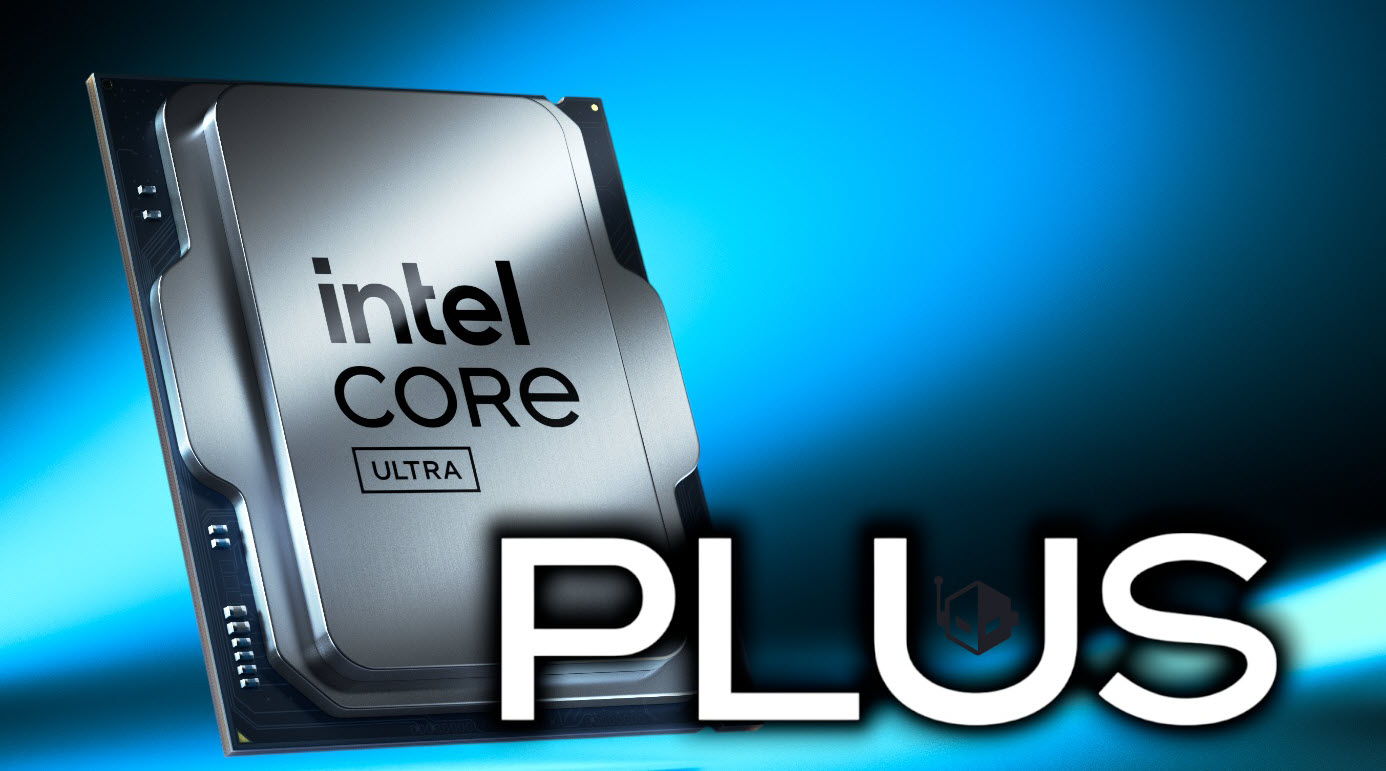
The latest listings, spotted across two EU-based retailers, highlight three standout models: the Core Ultra 5 250K Plus, Core Ultra 5 270KF Plus, and Core Ultra 7 270K Plus. Unlike previous generations where pricing shifts often accompanied major architectural leaps, these refreshes adhere to the same retail numbers as their predecessors, suggesting Intel is prioritizing consistency over aggressive upselling.
Key specs and pricing
- Core Ultra 7 270K Plus: 24 cores / 24 threads, up from 20/20 in the 265K, with a Turbo Boost max of 5.6 GHz (vs. 5.5 GHz). Priced at $393 (1699 lei), identical to the Core Ultra 7 265K.
- Core Ultra 5 250K Plus: Retains the same $261 price as the Core Ultra 5 245K, with no listed clock or core count changes in the listing.
- Core Ultra 5 270KF Plus: Matches the Core Ultra 5 245KF’s $242 price, offering the same no-iGPU configuration.
- Core Ultra 7 265K: Listed at $242 (1649 lei), a $10–$15 drop from the 270K Plus, reinforcing the refresh’s incremental focus.
The Core Ultra 7 270K Plus stands out as the most significant upgrade, adding four Efficient-cores while pushing Turbo clocks higher—a move that could appeal to power users and content creators without demanding a premium. However, the absence of a Core Ultra 9 290K Plus in these listings leaves its pricing unconfirmed, though industry observers expect it to align with the $499–$549 range of its predecessor, the Core Ultra 9 285K.
For Intel, the strategy appears twofold: first, to avoid alienating budget-conscious buyers by keeping prices static despite core-count increases; second, to position these refreshes as evolutionary rather than revolutionary, targeting users who need incremental performance without justifying a full platform swap. The lack of a price hike also underscores Intel’s challenge in a market where AMD’s Ryzen 9000 series has set a performance benchmark—one that Intel’s Arrow Lake Refresh must now either match or surpass without overstretching consumer wallets.
Availability remains embargoed, but the listings suggest the official launch is imminent. Whether these chips will deliver the expected gains in real-world workloads—especially in multithreaded tasks where the 270K Plus claims a 20% core-count jump—will hinge on Intel’s ability to translate silicon upgrades into tangible user benefits.