Intel’s Core Ultra 200S Plus processors are arriving in enterprise desktops at a pivotal moment for IT decision-makers, offering performance that could redefine productivity—but only if the ecosystem follows suit.
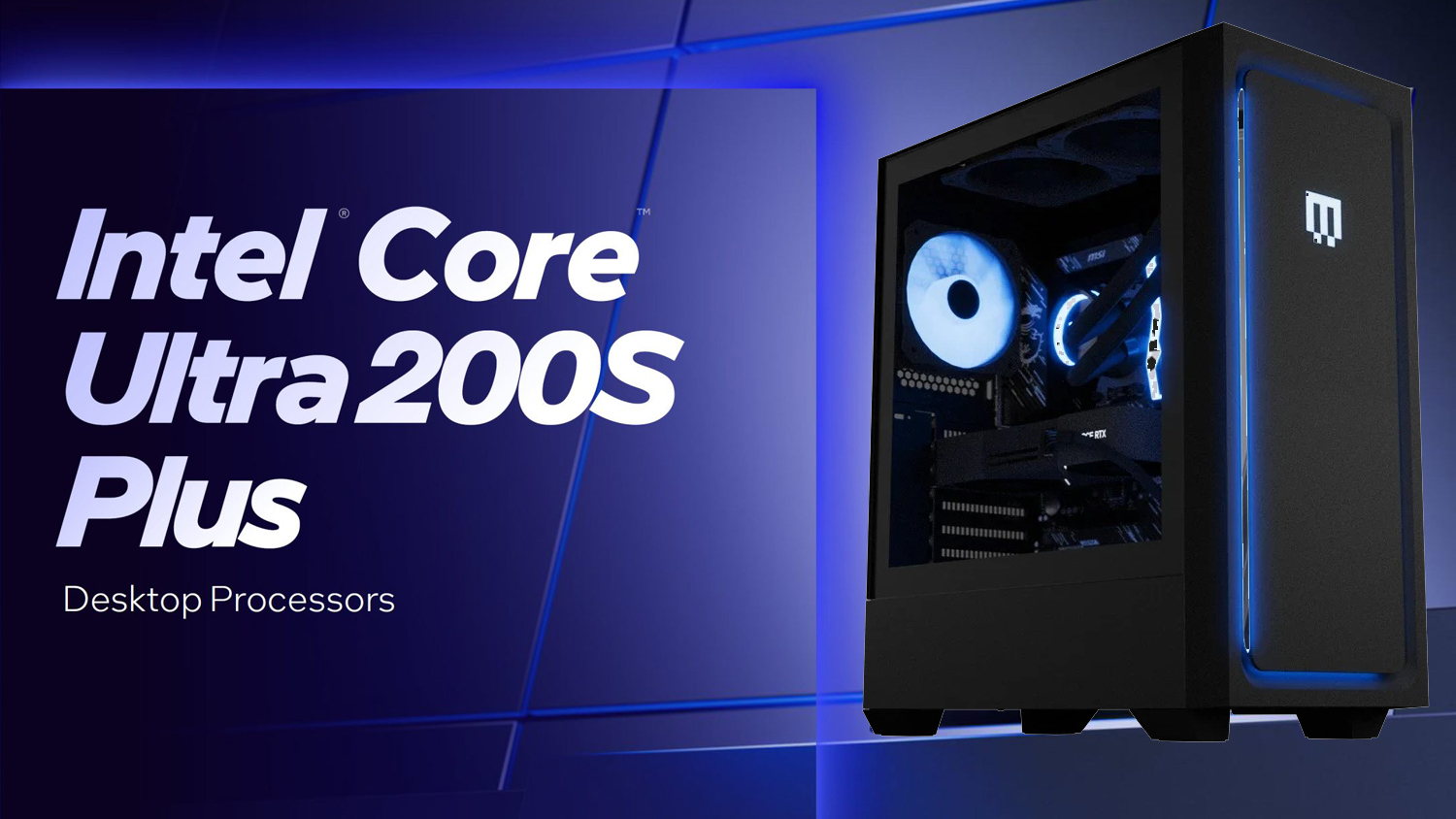
Maingear has been the first to embed these chips into its MG-1 series of configurable desktops, positioning itself as an early adopter in a market still assessing whether the benefits justify the constraints. The Core Ultra 200S Plus line, which combines CPU and GPU cores, promises up to 30% better performance in select workloads compared to previous generations. However, that promise comes with tighter platform requirements—something IT teams must navigate carefully if they want to avoid costly overhauls.
The Performance-Cost Dilemma
For businesses that prioritize speed and efficiency, the Core Ultra 200S Plus series delivers a compelling package. Models like the i7-245U and i9-245U feature up to 16 CPU cores and integrated Intel Arc graphics, capable of handling everything from data analysis to light rendering without needing external GPUs.
But the trade-off is clear: higher power consumption—up to 28 watts for the top-tier model—and a shift toward DDR5 or LPDDR5x memory, which are more expensive than their DDR4 predecessors. For IT departments, this means balancing immediate performance gains against long-term cost efficiency, especially in environments where budget constraints are tight.
Key Specifications
- Processor: Intel Core Ultra 200S Plus (i5-245U, i7-245U, i9-245U)
- Cores/Threads: Up to 16 CPU cores / 24 threads
- Integrated Graphics: Intel Arc (up to 3rd Gen)
- TDP: 15W–28W depending on model
- Memory Support: DDR5 up to 6400MHz, LPDDR5x up to 7466MHz
- Storage: PCIe Gen 4/5 M.2 slots, SATA support
The MG-1 series supports these specs with configurable RAM and storage options, but the real question is whether businesses will embrace this shift—or wait for broader compatibility.
A Platform Shift with Uncertain Outcomes
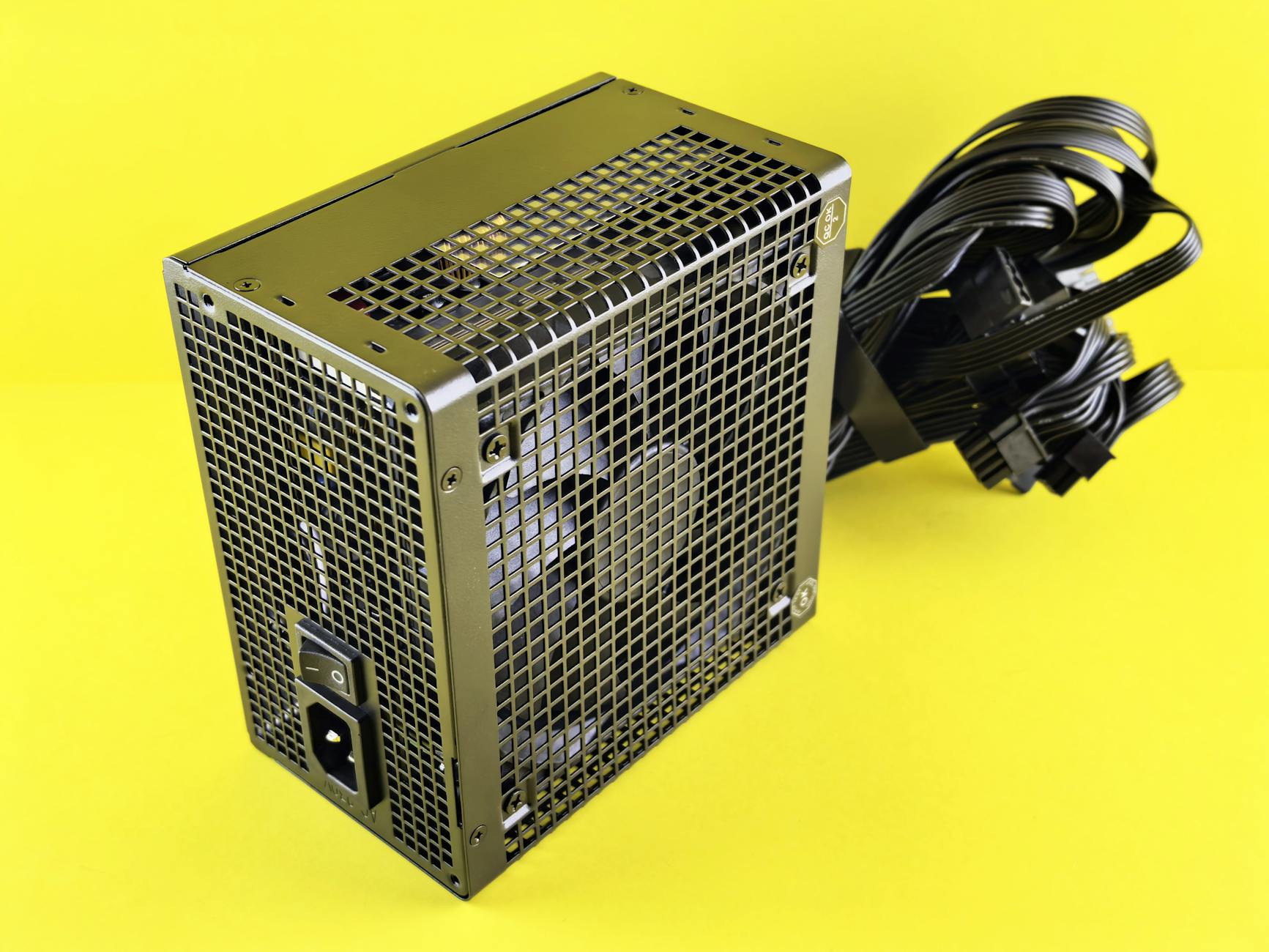
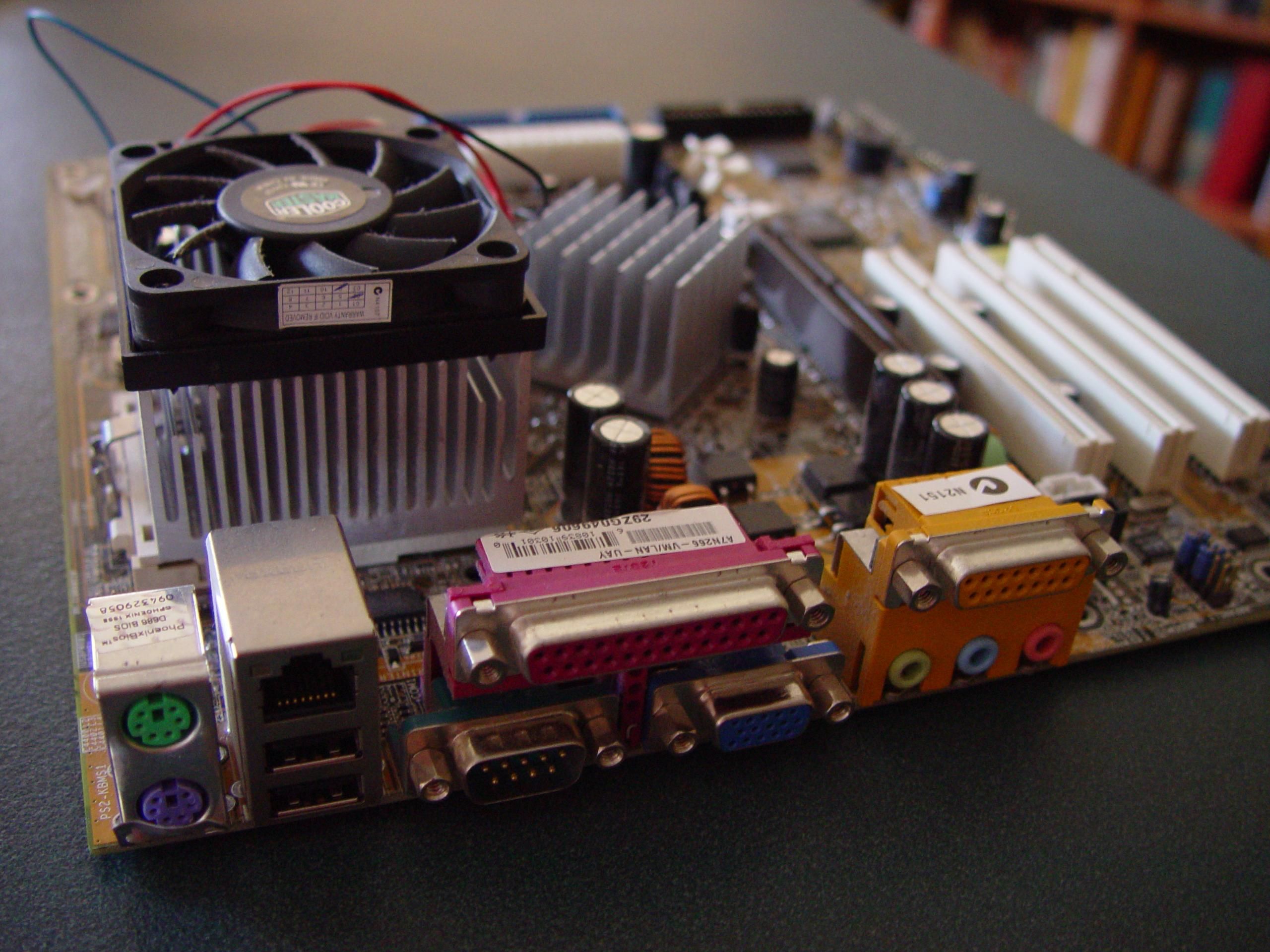
Adopting new hardware always carries risks, but Intel’s Core Ultra 200S Plus series amplifies them. The chips are designed for low-power systems, meaning they require motherboards and power supplies built specifically for the 13th Gen platform. This limits flexibility—IT cannot simply drop these CPUs into existing desktops without a full system upgrade.
For enterprises with legacy infrastructure or strict budget controls, this could be a dealbreaker. Maingear’s move targets users who need cutting-edge performance now, but whether others follow depends on how smoothly these chips integrate into real-world workflows over time.
Who Stands to Gain?
The Core Ultra 200S Plus desktops are best suited for industries like media, engineering, and research, where integrated performance and power efficiency matter more than cost savings. For these users, Maingear’s configurable approach—allowing custom RAM, storage, and cooling—could justify early adoption.
However, for businesses that prioritize cost efficiency or have strict compatibility requirements, this may not be the right fit yet. The question remains: Will the performance gains outweigh the constraints, or will IT teams wait for broader market support before making the switch?
Maingear has positioned itself at the forefront of Intel’s latest desktop push, but the success of this strategy hinges on whether the ecosystem can keep pace with demand. For now, it’s a gamble—one that could pay off for early adopters or leave others on the sidelines.