Intel’s approach to integrated graphics has taken a decisive turn away from high-power iGPU competition, effectively abandoning any plans to match AMD’s **Strix Halo** architecture in performance-per-watt efficiency. In a rare public statement, Intel’s graphics chief has dismissed the idea of a **Panther Lake Halo**-style product, arguing that high-end integrated performance is better served by small discrete GPUs from third-party manufacturers.
The admission comes as Intel’s latest **Arc B390** iGPU—found in chips like the **Ryzen AI Max+ 395**—trails behind AMD’s **Radeon 8060S** in raw output but remains a distant second to Intel’s own **Arc B580** discrete GPU in gaming workloads. While the **B390** delivers solid efficiency for mainstream laptops, Intel’s stance suggests that pushing integrated graphics beyond a certain threshold is neither practical nor profitable.
The Integrated vs. Discrete Divide
Intel’s position hinges on two key arguments: first, that **Strix Halo**’s power consumption and thermal demands make it an outlier in the iGPU space; second, that users seeking high-end integrated performance would be better off with a **low-power discrete GPU**—a segment Intel expects third-party vendors to dominate. The company’s focus remains on refining integrated graphics for gaming and productivity workloads where power efficiency is critical, rather than chasing AMD’s high-TDP APU approach.
For power users, this means Intel’s **Core Ultra 300** series—including the recently launched **Ryzen 9 9950X3D2**—will continue to rely on **Arc B-series iGPUs** for mainstream use cases, while leaving the **Strix Halo**’s 96GB framebuffer and extreme performance to AMD’s **Ryzen AI** lineup. The **9950X3D2**, with its **200W TDP**, represents Intel’s highest-end x86 CPU to date, but even this chip is unlikely to pair with a **Strix Halo**-class iGPU.
Where Does This Leave AMD?
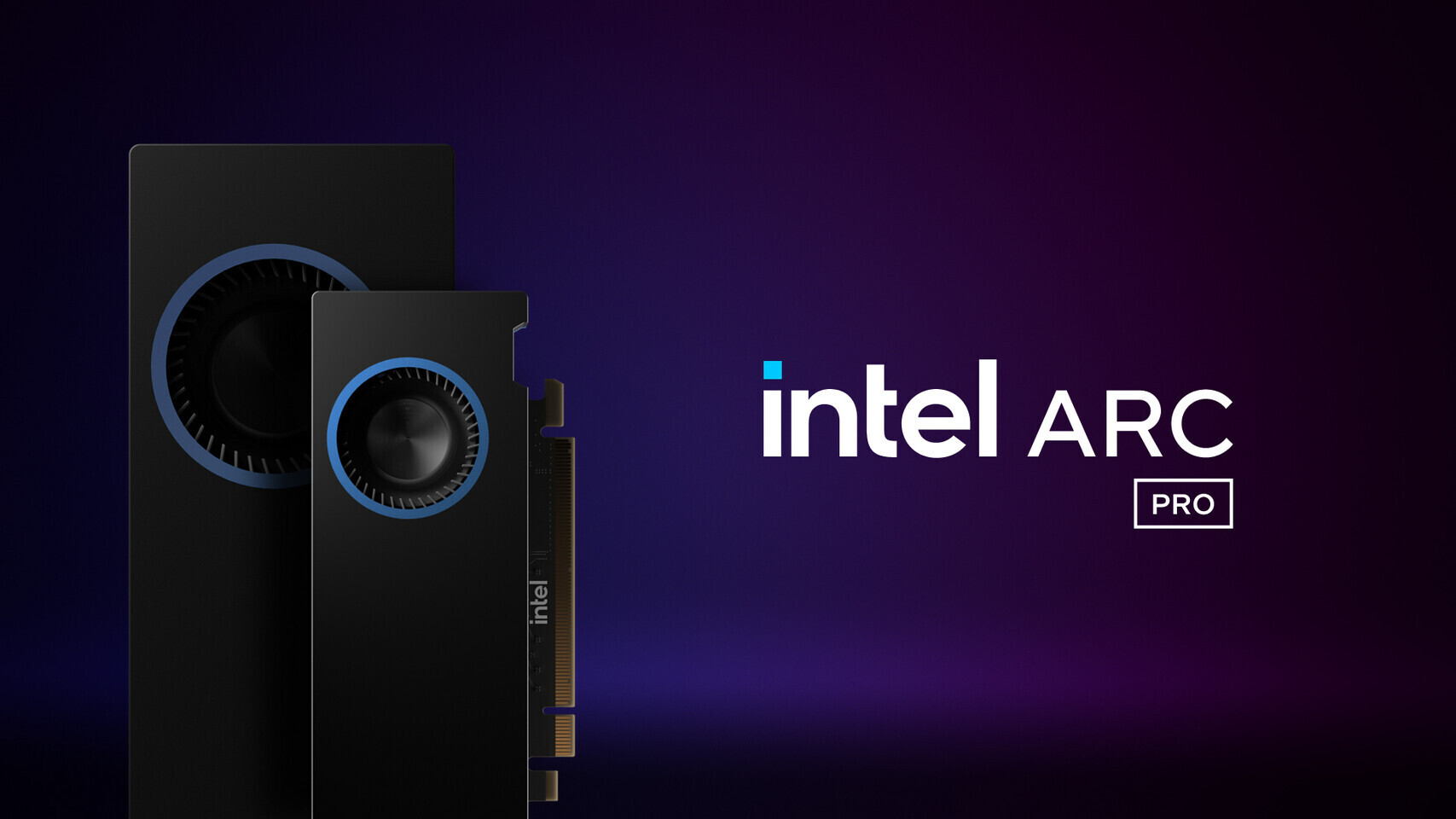
AMD’s **Strix Halo** architecture—debuting in handheld devices like the **GPD Win 5** and targeting ultra-high framebuffer capacities—remains unchallenged in the x86 space. Intel’s refusal to compete directly suggests a strategic retreat, possibly influenced by NVIDIA’s recent acquisitions and the broader shift toward AI-optimized SoCs. While Intel’s **Arc Pro B70** (based on the **Battlemage BMG-G31**) is poised to enter the workstation market with **32GB VRAM**, there’s no indication of a consumer-focused **Halo**-style iGPU in the pipeline.
For enthusiasts and portable power users, the implications are clear: AMD’s **Strix Halo** will continue to dominate the high-end iGPU segment, while Intel’s integrated graphics will remain optimized for efficiency rather than brute force. Those needing extreme performance will likely turn to discrete GPUs—or, in AMD’s case, the **Strix Halo** itself.
Key Takeaways for Power Users
- No Intel Halo Rival: Intel has explicitly ruled out a **Panther Lake Halo** iGPU, leaving AMD’s **Strix Halo** as the sole high-power integrated option in x86.
- Discrete GPUs for High End: Intel recommends small discrete GPUs for users needing performance beyond what integrated graphics can offer.
- Arc B390 vs. Radeon 8060S: Intel’s latest iGPU lags behind AMD’s **8060S** in raw performance but remains more efficient for mainstream laptops.
- Arc Pro B70 Coming: Intel’s **Battlemage BMG-G31**-based **Arc Pro B70** (32GB VRAM) targets workstations, not consumer gaming.
- Core Ultra 300 Focus: Chips like the **Ryzen 9 9950X3D2** (200W) will use **Arc B-series** iGPUs, not **Strix Halo**-class solutions.
The lack of competition may force AMD to double down on **Strix Halo**, particularly in handheld and ultra-portable markets where framebuffer size and raw performance are critical. For now, Intel’s strategy appears to prioritize efficiency over raw power—leaving the high-end iGPU throne to AMD, at least for the foreseeable future.