The evolution of the data center isn't just about faster processors or more storage—it's about rethinking how those components work together. Intel's Z970 chipset is at the heart of this shift, promising a platform that can handle both extreme performance and everyday efficiency without compromise.
One common assumption is that high-end hardware must always come with high power consumption. The Z970 flips that script by integrating advanced features like support for up to 256 GB of DDR5 memory and PCIe 5.0 lanes, which are typically reserved for premium systems, while maintaining a focus on power efficiency. This dual capability allows IT teams to design systems that scale with their workloads, whether they're optimizing for AI tasks or general compute needs.
Another misconception is that flexibility in hardware comes at the cost of stability. The Z970 counters this by prioritizing system reliability over raw performance metrics like overclocking support. This means it won't push CPU frequencies to their absolute limits, but it ensures a more stable and efficient platform for applications where consistency matters—such as long-running data processing tasks or server workloads.
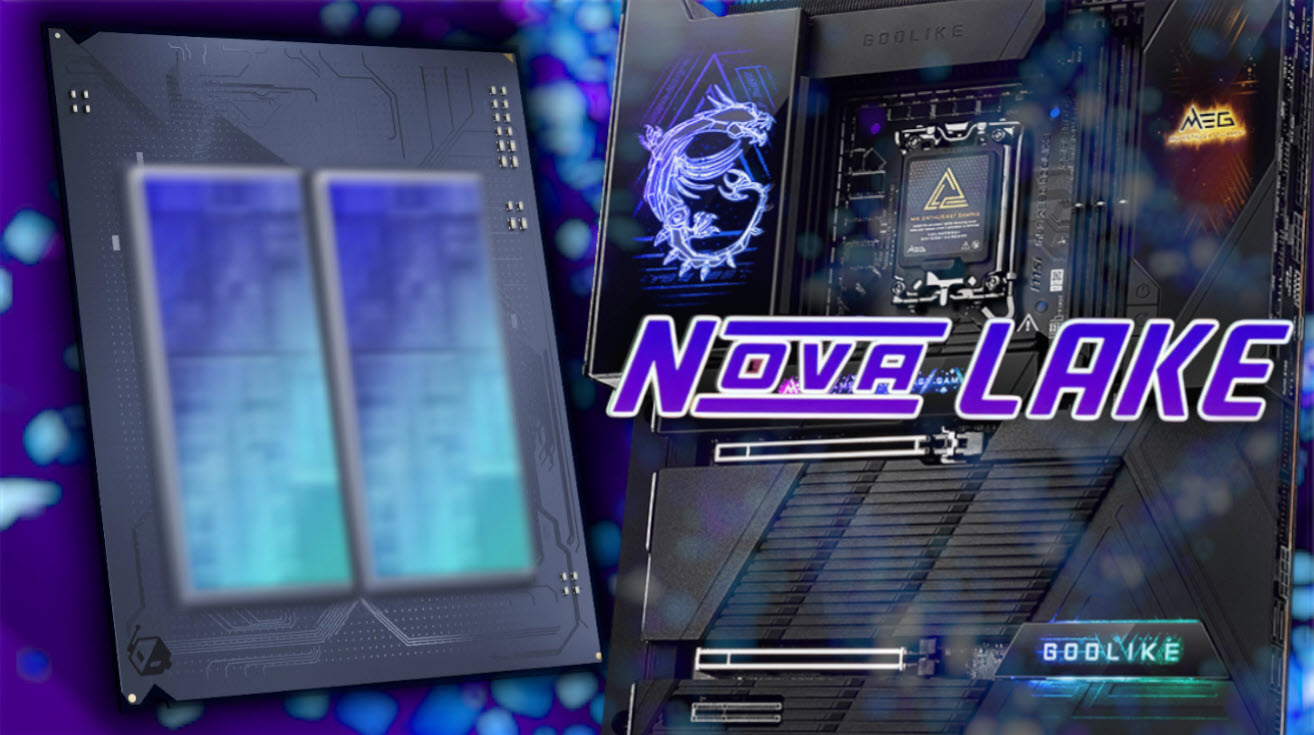
For organizations, the Z970's modular design translates to practical benefits. It supports next-generation memory standards without requiring separate high-end and mainstream configurations, streamlining procurement and reducing complexity. This is particularly valuable in environments where workloads can shift unpredictably, demanding hardware that adapts as easily as software does.
The Z970 isn't a revolutionary leap—it doesn't introduce radical new technologies—but it refines what's already possible. By merging the best of high-end and mainstream platforms, Intel is addressing a growing need for systems that can deliver performance without ignoring efficiency. As data centers continue to evolve, this balance will likely become even more critical, making the Z970 a strategic choice for those building for the future.