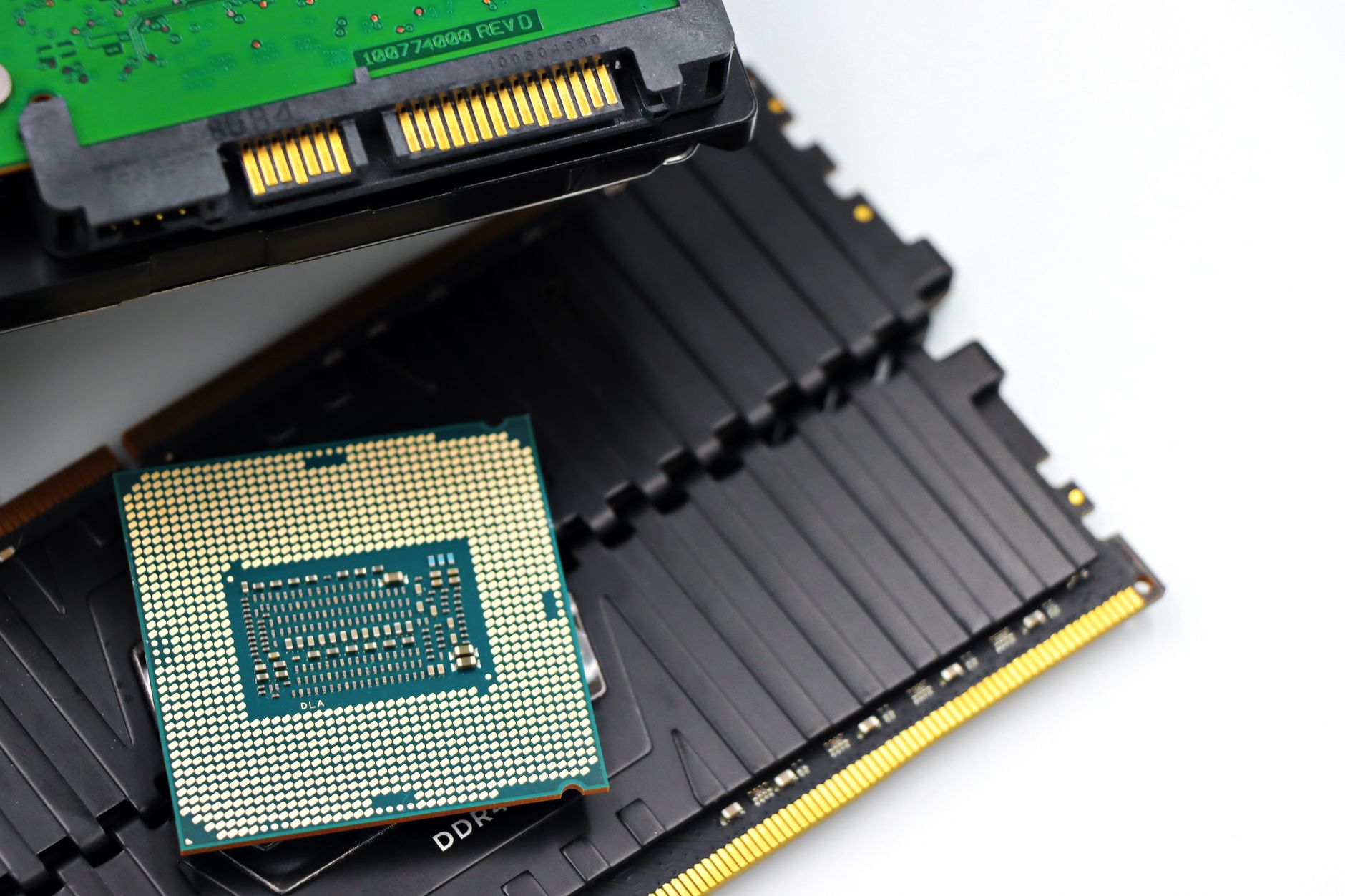
Intel has confirmed key details about its 2026 CPU roadmap, marking a shift in how processors are built for both raw performance and real-world usability. The centerpiece is Panther Lake, a new architecture that targets mainstream desktops but carries implications for laptops and mobile devices as well.
Panther Lake is expected to debut at 120 W TDP, a step down from the 135 W of its predecessors. That’s not just about heat—it’s about battery life. Intel says it has addressed the ‘performance versus endurance’ trade-off that has plagued competitors for years.
- Core specs:
- Up to 24 cores (P-cores) and 16 efficiency cores (E-cores)
- Base clock: 3.0 GHz, boost up to 5.8 GHz
- Cache: 48 MB L3 cache, unified last-level cache
- Memory support: DDR5-5600, LPDDR5X-7466 for mobile
The real story is in the improvements under the hood. Intel claims a 15% gain in IPC (instructions per cycle) over Raptor Lake, along with a 20% reduction in power draw at sustained loads. That translates to longer battery life on laptops without sacrificing single-thread performance—a balance that has been elusive for many rivals.

But Panther Lake isn’t just about efficiency; it’s also about scalability. Intel is positioning it as the foundation for a broader ecosystem, including mobile and embedded variants. The architecture is designed to support both high-end desktops and mid-range devices without requiring separate silicon, which could simplify production and reduce costs.
What’s still unclear? Exact release timelines beyond Q4 2026, pricing tiers, and how this fits into Intel’s longer-term plans for AI-optimized cores. The company has not confirmed whether Panther Lake will include dedicated AI accelerators, a move that could further differentiate it in the coming years.
For everyday buyers, the takeaway is clear: 2026 could be the year Intel closes the gap on battery life while maintaining its lead in raw performance. Whether that extends to laptops remains to be seen, but the signs point to a more practical approach—one that prioritizes both speed and endurance without forcing users to choose.