The 8086, a 16-bit microprocessor released by Intel in 1978, marks a pivotal moment in computing history. This chip not only established the x86 instruction set architecture but also set the stage for a unified standard that would dominate the desktop market for decades. Its significance lies in its scalability and backward compatibility, allowing software developed for earlier generations to run seamlessly on newer processors.
One of the key takeaways from the 8086's journey is its role in standardizing the market. Before its introduction, the computing landscape was fragmented, with no clear path for software development. The 8086 changed that by providing a scalable architecture that could evolve without leaving behind existing applications. This approach has been critical in ensuring that legacy software remains functional even as processors become more advanced.
For enterprise buyers, this history underscores the importance of backward compatibility in long-term investment strategies. While newer architectures like Arrow Lake and Raptor Lake offer significant advancements in core count and cache size, the ability to run older applications without disruption remains a critical factor. This balance between innovation and legacy support is what has sustained Intel's dominance in the x86 market.
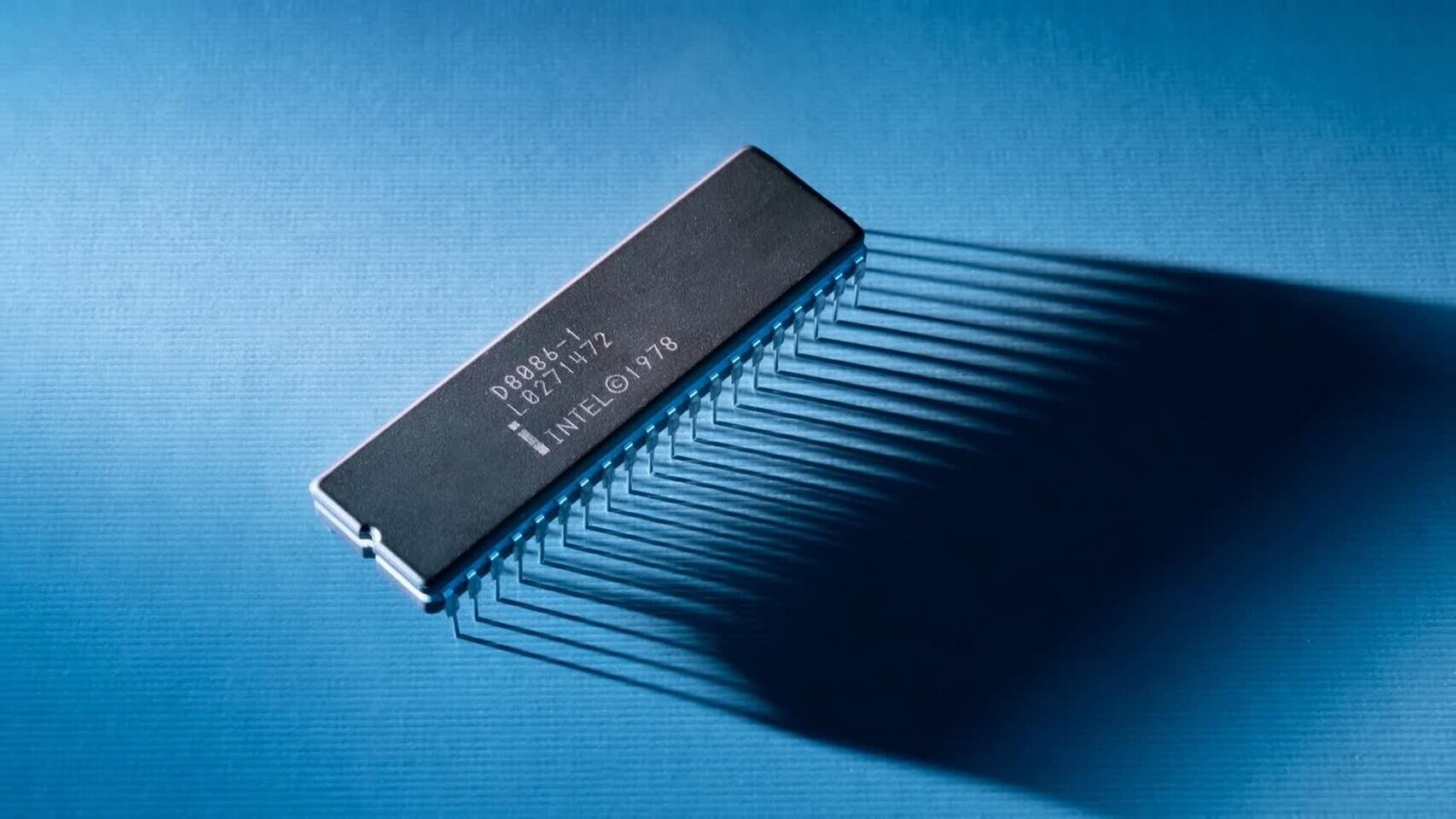
The 8086's impact is also evident in its influence on modern processors. Features introduced in this early chip, such as the 16-bit instruction set, have been refined and expanded over the years but remain foundational to how processors operate today. As Intel continues to innovate, the lessons from the 8086—particularly around compatibility and scalability—remain relevant.
Looking ahead, the focus on core count and cache size in newer generations like Arrow Lake suggests a continued emphasis on performance and efficiency. However, the ability to integrate legacy software without compromise will likely remain a key consideration for enterprise buyers. This dual focus on cutting-edge technology and backward compatibility is what has defined Intel's approach to processor design over the past five decades.