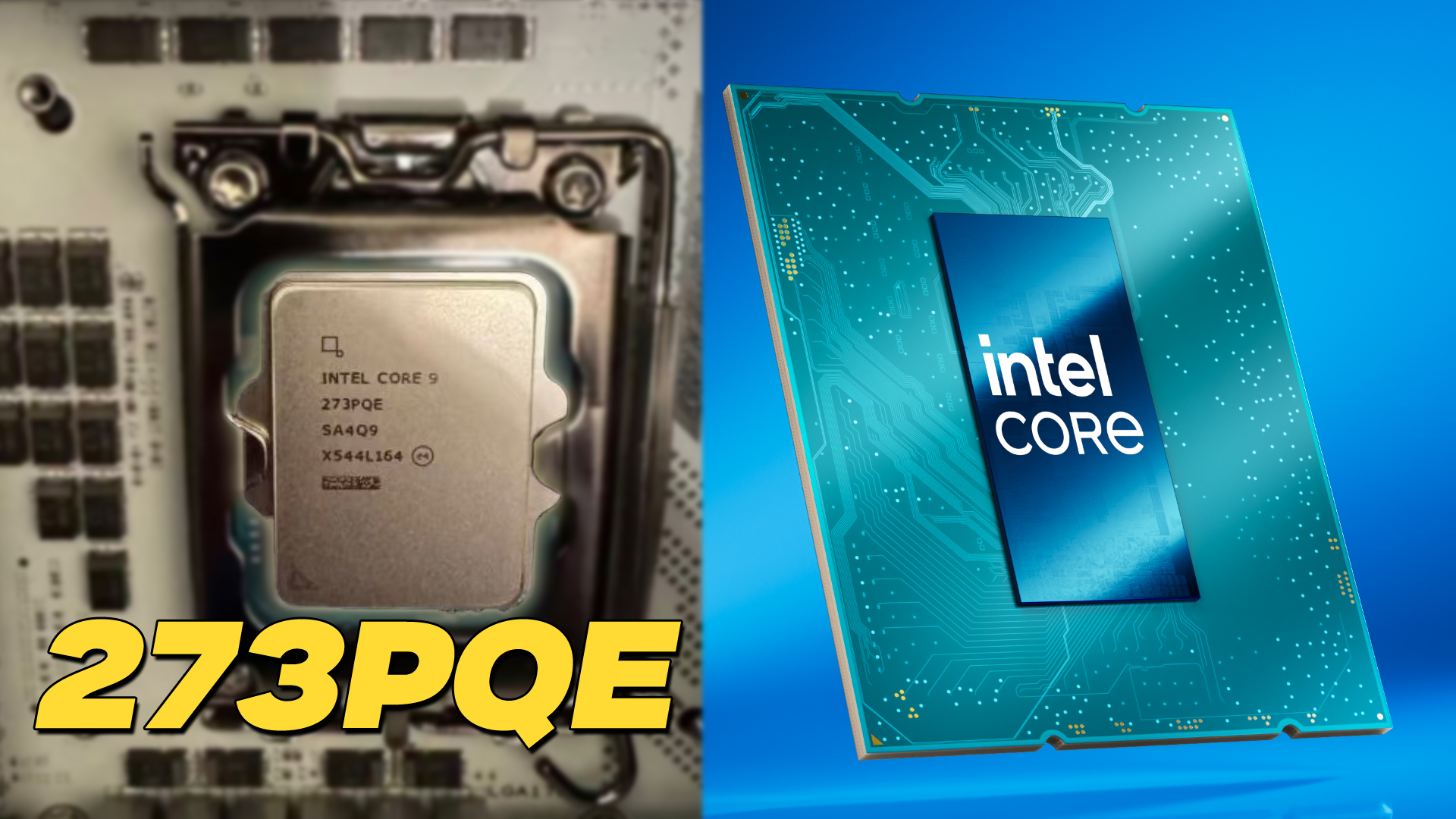
A consumer Z790 motherboard has achieved a rare milestone: it now supports Intel’s upcoming Bartlett Lake Core i9-273PQE processor through a modified BIOS. This development provides the first confirmed glimpse of the chip in action, raising questions about upgrade paths and compatibility risks for PC enthusiasts.
Intel’s 14th-generation processors, including the Core i9-273PQE, are designed to run on next-gen motherboards built around the Z890 chipset. However, a BIOS tweak has allowed this processor to function on existing Z790 platforms, which were originally intended for Raptor Lake refresh chips like the Core i9-14900K.
Key Details
- The Bartlett Lake Core i9-273PQE is a 24-core, 32-thread processor with a base clock of 2.5 GHz and a turbo boost up to 6.1 GHz.
- It features 80 MB of cache and supports DDR5 memory at speeds up to 5600 MHz (OC).
- The chip is built on Intel’s 7 process node and includes integrated Intel Arc graphics (iGPU).
While the BIOS modification demonstrates that the processor can run on Z790 hardware, it also highlights potential compatibility challenges. PC builders may face delays or complications if they attempt to upgrade to Bartlett Lake chips without a matching motherboard.
Performance and Risks
The Core i9-273PQE is positioned as a high-end desktop processor, targeting users who demand maximum performance for gaming, content creation, and professional workloads. Its specifications suggest significant improvements over its predecessors, with higher core counts, clock speeds, and efficiency.
However, the reliance on a modified BIOS underscores the importance of waiting for official support. Unofficial workarounds may introduce instability or security risks, making it advisable to wait for Z890 motherboards to become widely available before upgrading.
What’s Next
Intel is expected to officially launch Bartlett Lake processors alongside Z890 motherboards later this year. Until then, PC builders should weigh the benefits of early adoption against the risks of compatibility issues and potential instability.
The successful BIOS mod offers a preview of what’s possible, but it also serves as a reminder that hardware upgrades require careful consideration—especially when new chipsets are involved.