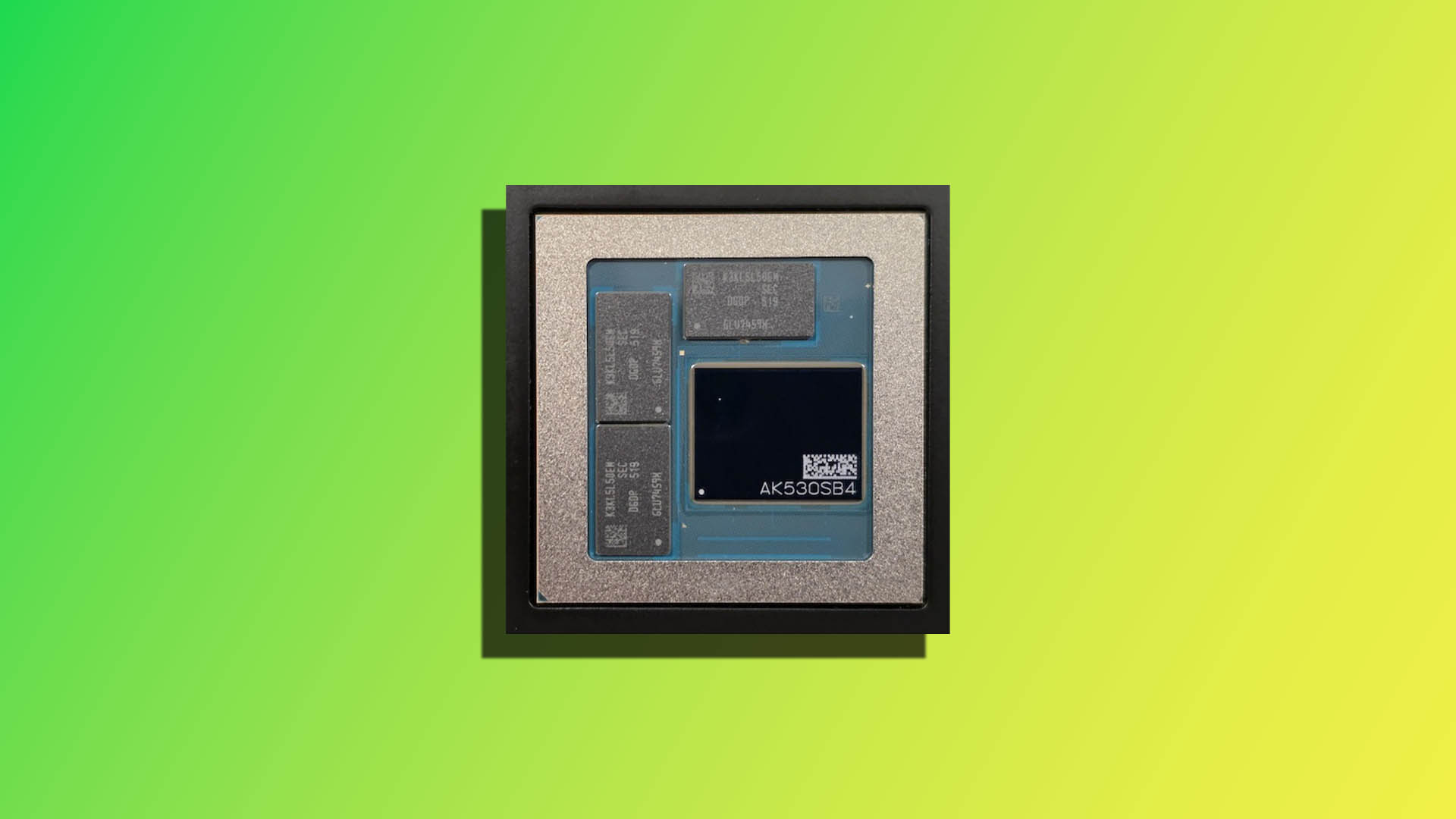
Intel’s Bartlett Lake processor, a 12-core/24-thread design built on the Intel 7 process node, has defied expectations by demonstrating compatibility with mainstream Z790 motherboards—despite its initial targeting toward data center and enterprise markets. The revelation comes from a firmware modification that overrides standard hardware checks, suggesting the chip’s performance could redefine high-end computing if supply and pricing barriers are addressed.
- Cores/Threads: 12 cores / 24 threads
- Cache: 2 MB L2 per core, 36 MB shared L3
- Clock Speeds: Base 3.30 GHz, all-core boost 5.30 GHz, single-core TVB 5.90 GHz
- Power: 125 W base, 250 W maximum turbo
The Bartlett Lake’s architecture, which relies solely on Raptor Cove P-cores without efficiency cores, positions it as a powerhouse for sustained performance rather than battery efficiency. Its aggressive clock speeds and high thermal design power (TDP) suggest it is optimized for workloads demanding continuous processing power, such as data center operations or professional workstations. However, its 125 W base power and 250 W turbo limit its practicality in consumer desktop builds, particularly on platforms designed for lower-power processors.

While the firmware modification proves technical feasibility, real-world adoption remains uncertain due to supply constraints and pricing challenges. Bartlett Lake’s performance characteristics hint at a future where unified-core designs dominate high-end computing, but for now, it remains an OEM-only product with no clear path to retail availability. Consumers may find themselves on the sidelines, waiting for Intel to bridge the gap between cutting-edge performance and accessible pricing.