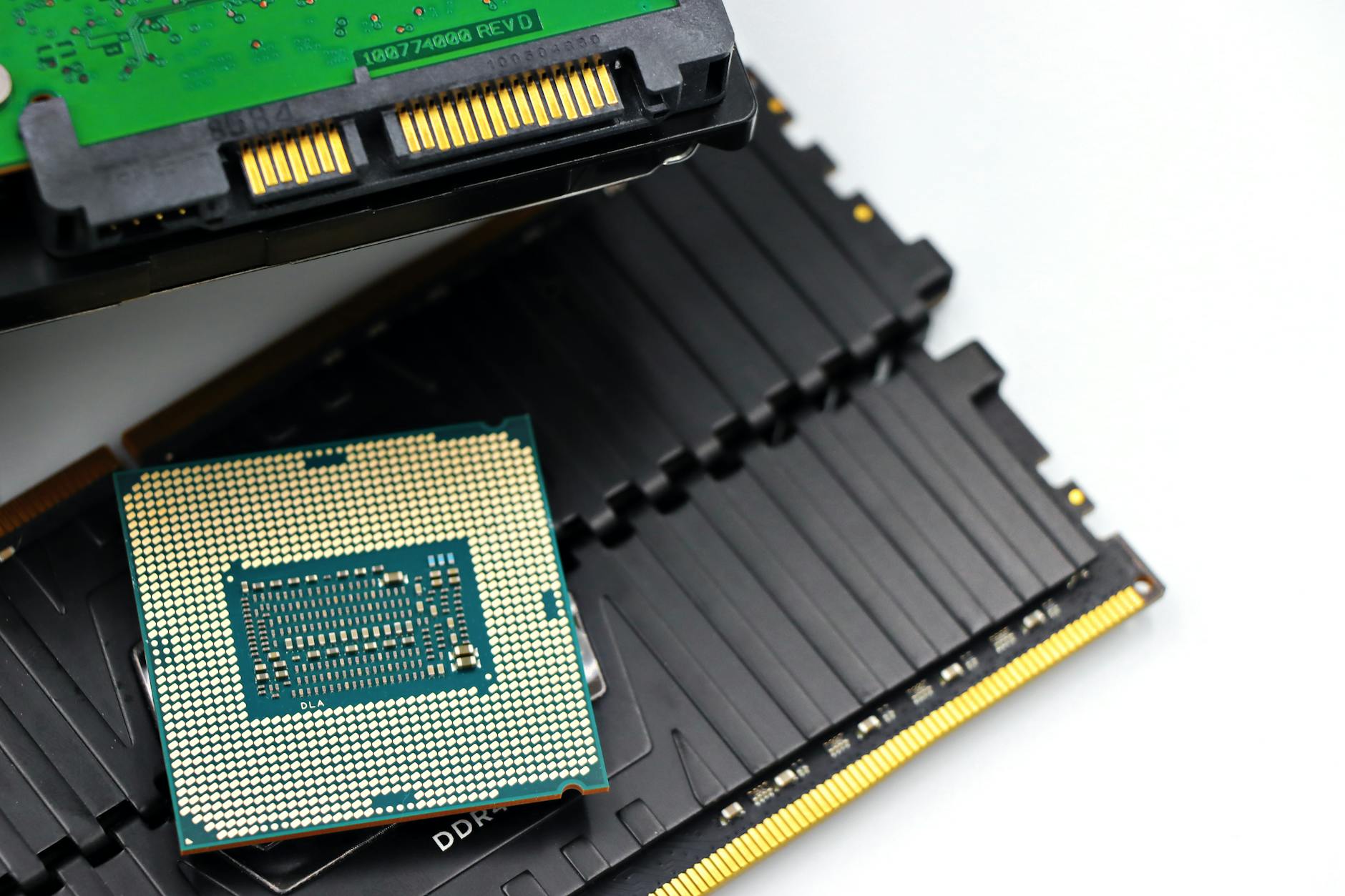
Intel's Core Ultra 200 Plus 'Arrow Lake Refresh' processors are poised to enter the market between March and April of this year, marking a notable delay from earlier expectations. This timing aligns with Intel's broader strategy, which appears to favor incremental updates over bold leaps in performance, at least for now.
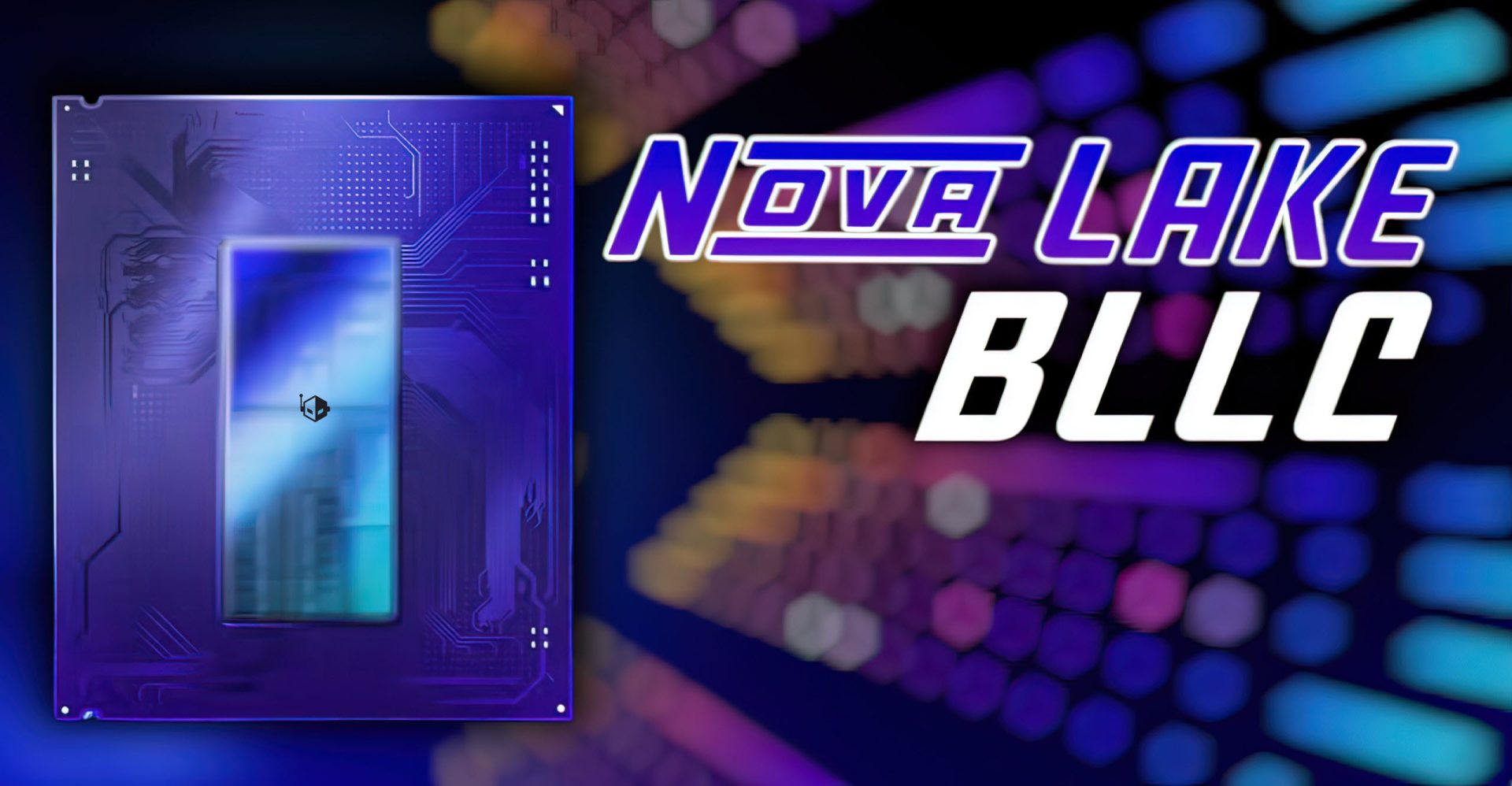
The absence of these chips at CES 2026 reinforces the impression that they are not just an extension of the current Core Ultra Series but a distinct refresh. This suggests Intel is taking a measured approach, possibly to stabilize its position before introducing more transformative architectures like 'Nova Lake,' which is slated for late 2026.
Key specs for the Core Ultra 200 Plus family include models like the Core Ultra 9 290K Plus and Core Ultra 9 290HX Plus, with clock speeds reaching up to 5.4 GHz. These processors are designed to target high-performance desktop and laptop markets, though their impact may be limited by the current market dynamics, particularly the surging demand for AI-optimized hardware.
For users, the Core Ultra 200 Plus chips represent a continuation of Intel's existing platform rather than a disruptive innovation. Admins and IT professionals should note that these processors are likely to maintain compatibility with existing systems, though performance gains may be modest compared to competitors like AMD's Ryzen 9 9950X3D2, which boasts 192 MB of L3 cache and a 200 W TDP. The trade-off here is stability and familiarity against potential underperformance in AI workloads.
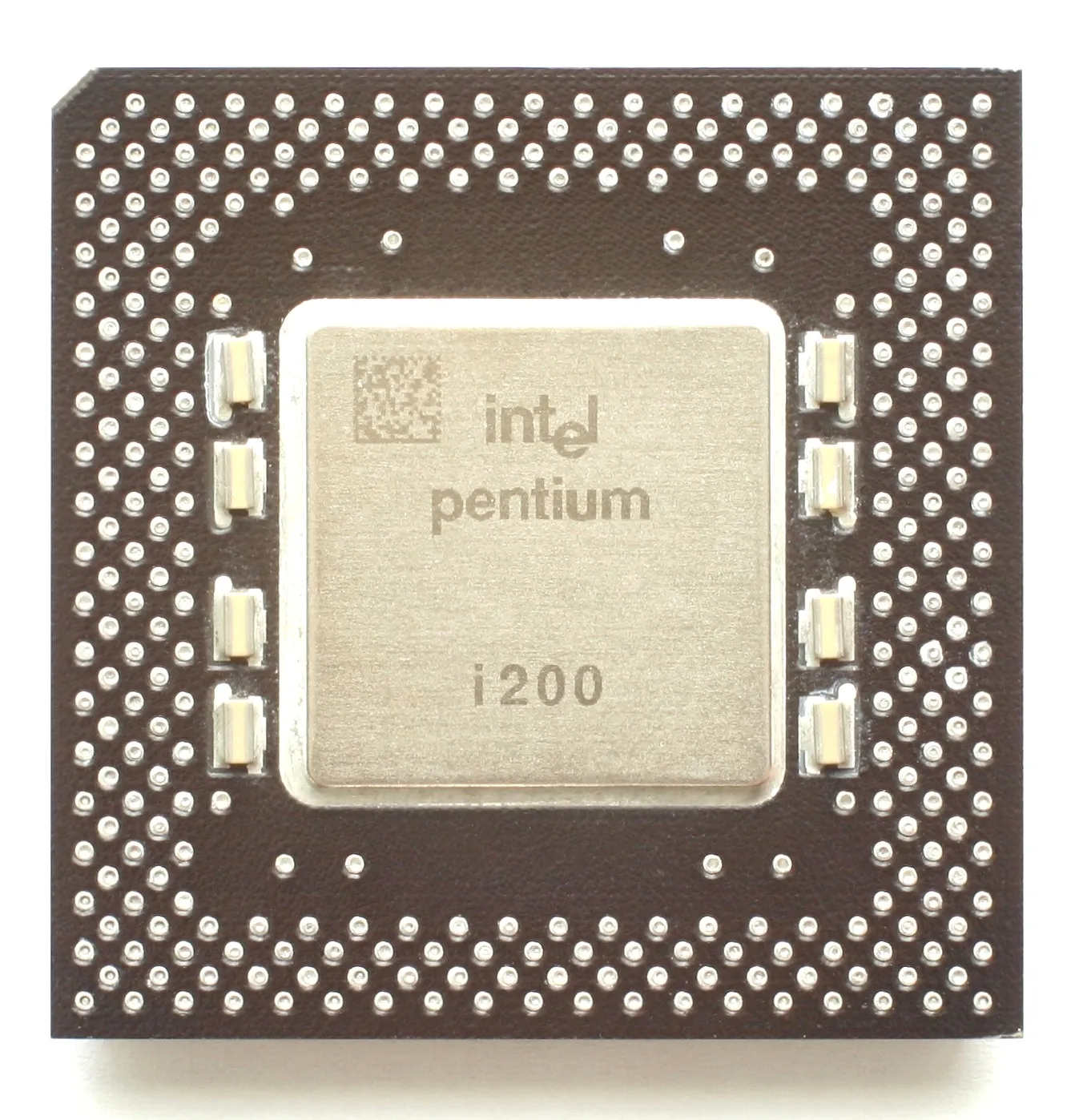
Intel's focus on the Core Ultra Series 3, set to launch on January 27, followed closely by Xeon 600 'Granite Rapids-WS' processors in February, indicates a prioritization of high-end desktop (HEDT) and workstation markets. This strategy may leave room for the Core Ultra 200 Plus family to fill a niche without overshadowing more ambitious projects like 'Nova Lake.'
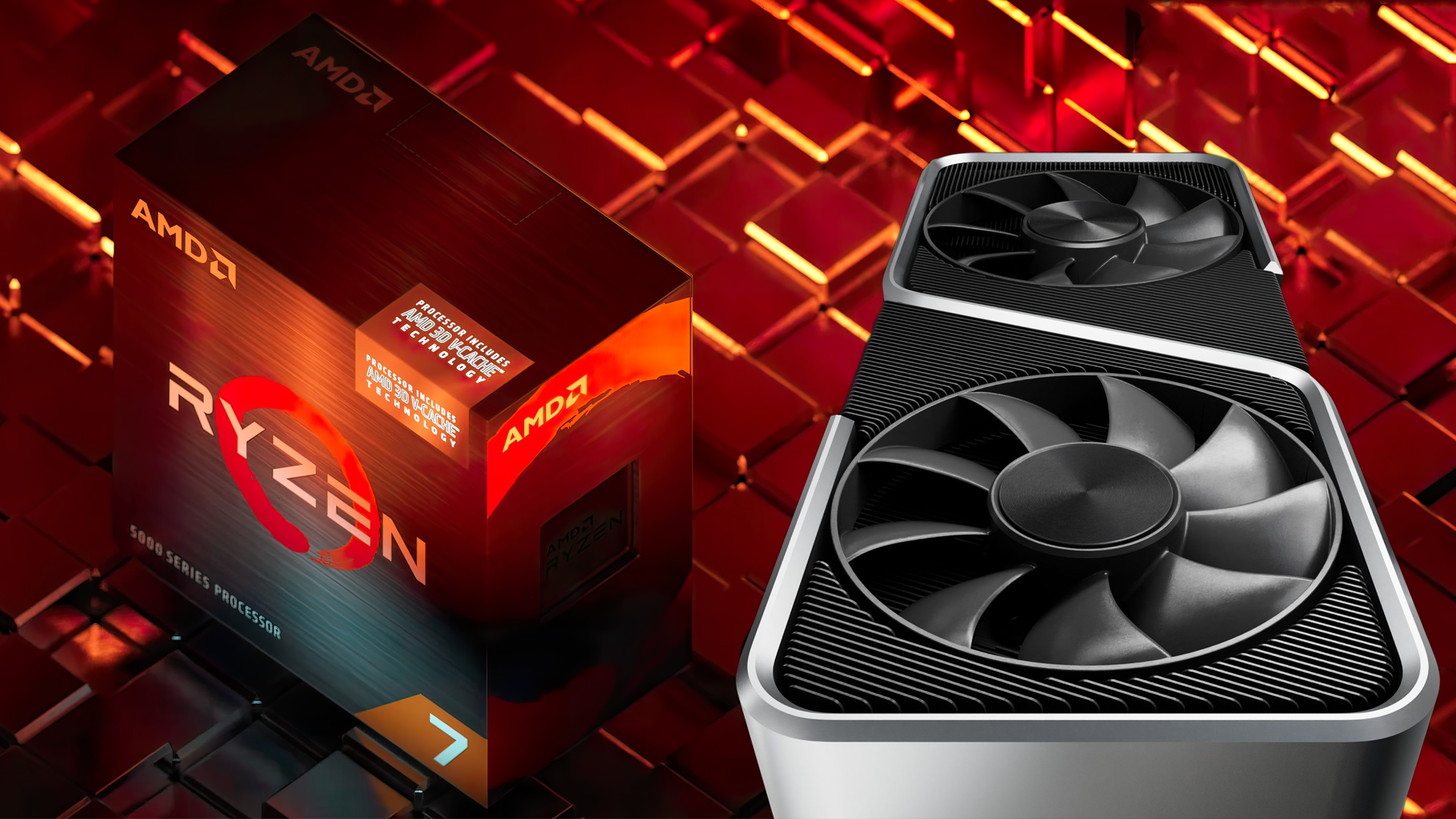
The broader landscape includes NVIDIA's GeForce RTX 50 series, with rumors of designs like the RTX 5080 SUPER 24 GB and RTX 5070 SUPER 18 GB, further emphasizing the competitive pressure on Intel to innovate in graphics and AI capabilities. Meanwhile, AMD's Ryzen 9 9950X3D2 is setting a high bar for performance with its 3D V-Cache technology.
For IT professionals, deploying Core Ultra 200 Plus processors will likely involve standard procedures, given their compatibility with existing systems. However, the decision to adopt these chips should be weighed against the potential long-term benefits of waiting for 'Nova Lake,' which could offer more substantial performance improvements and AI optimizations.
Availability and pricing for the Core Ultra 200 Plus family remain unconfirmed, but given Intel's current market positioning, it is reasonable to expect these processors to be priced competitively within their segment. The focus will likely be on maintaining market share rather than leading with cutting-edge features.