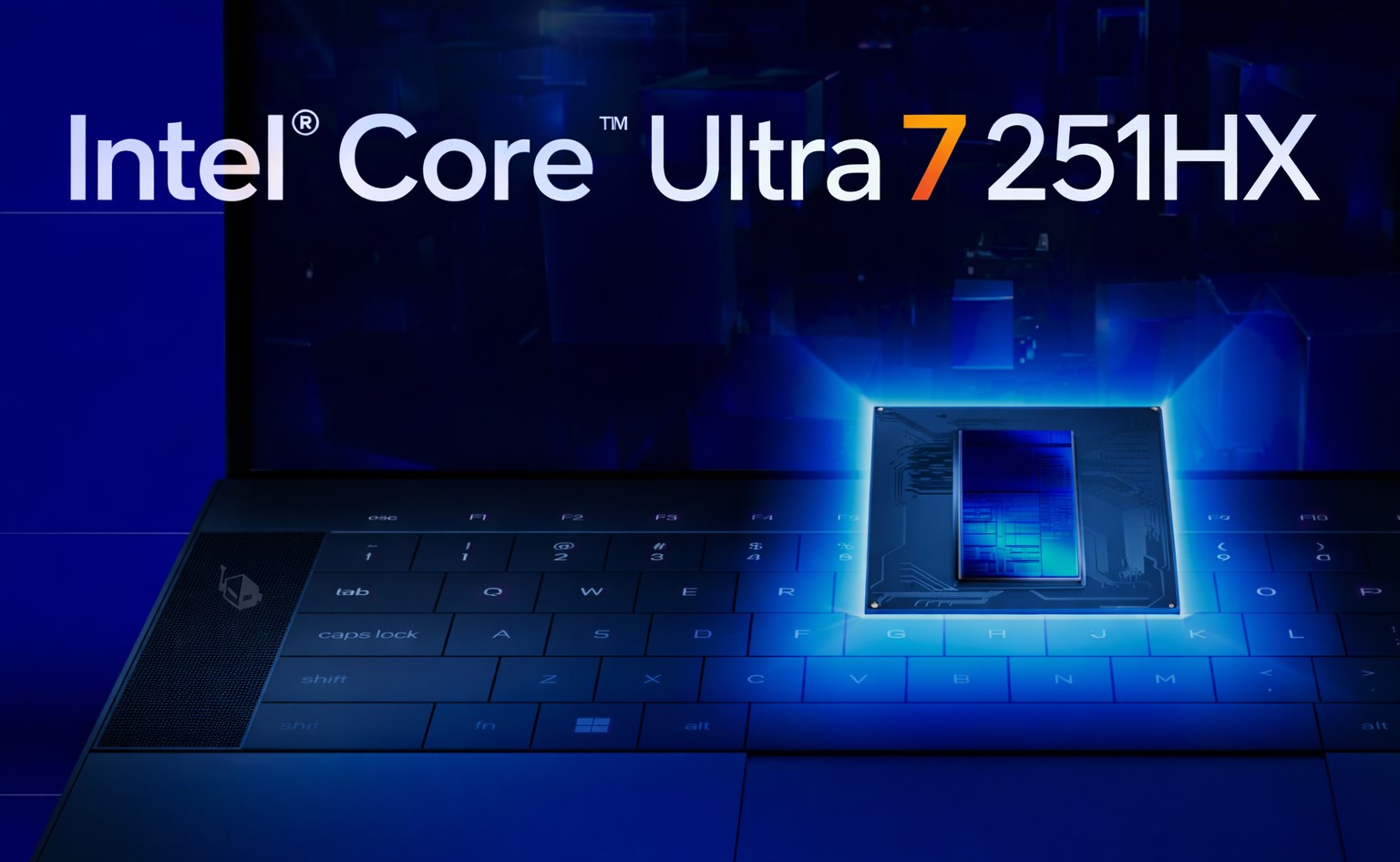
Gaming laptops have long been a battleground of raw power versus battery life, but Intel’s latest Core Ultra 7 251HX processor attempts to rewrite the rules. Unlike its predecessors, this chip doesn’t just push clock speeds—it rethinks how cores and efficiency interact, aiming for a sweet spot that could appeal to both competitive gamers and those who demand long sessions without overheating.
The Core Ultra 7 251HX is built on Intel’s latest architecture, featuring a hybrid design of 6 performance cores and 12 efficiency cores, paired with 3 Xe GPU cores. This isn’t just about raw numbers; it’s about how these components work together to deliver sustained performance while managing power draw. For gamers, the real question is whether this balance can translate into longer play sessions without sacrificing frame rates.
Key Specifications
- Performance Cores: 6 (P-cores)
- Efficiency Cores: 12 (E-cores)
- GPU Cores: 3 Xe cores
- Base Frequency: Not specified, but expected to align with Intel’s latest generation
- Thermal Design Power (TDP): Likely optimized for lower heat output compared to previous high-end models
The lack of a confirmed TDP is notable. Historically, Intel has been cautious about specifying exact power limits, but the Core Ultra 7 251HX’s architecture suggests a focus on efficiency. If this holds, it could be a game-changer for laptops that need to stay cool during extended gaming sessions.
Who Benefits?
For competitive gamers, the Core Ultra 7 251HX might not offer the raw power of desktop-grade CPUs, but its efficiency could make it a viable option for mid-range laptops. The hybrid core setup allows tasks to be distributed between P-cores and E-cores, potentially reducing thermal throttling—a common issue in high-end gaming rigs.
However, enthusiasts expecting the next-gen leap will likely find this processor more of an incremental step than a revolution. It’s designed for balance, not brute force, which means it won’t replace dedicated GPUs but could redefine what’s possible in portable setups. The real test will be how well Intel manages thermals without sacrificing performance.
Looking Ahead
The Core Ultra 7 251HX isn’t just about today’s benchmarks; it’s a glimpse into where Intel sees computing heading. With AI and efficiency becoming increasingly important, this processor could set the stage for future chips that prioritize power management without compromising performance. For now, gamers will need to weigh whether this balance is worth adopting—or if they’re better off sticking with what they know.
In the end, the Core Ultra 7 251HX might not be the most powerful chip on the market, but its approach to efficiency could make it a standout for those who value longevity over raw performance. Whether that’s enough to sway gamers remains to be seen.