Intel is preparing to raise prices on its consumer CPUs by around 10%, a shift that will test the patience of PC builders and developers accustomed to steady pricing. The increase comes as demand for high-performance processors remains strong, but the move also highlights a growing tension between cost and performance in the market.
The reported price hike applies to mainstream desktop CPUs, including models like the 12th Generation Core i5 and i7 processors. While Intel has not officially confirmed the change, industry sources indicate that the adjustment could be implemented as early as next month, depending on supply chain dynamics. This would mark a notable departure from recent stability in pricing, which had been a point of relief for builders navigating post-pandemic supply challenges.
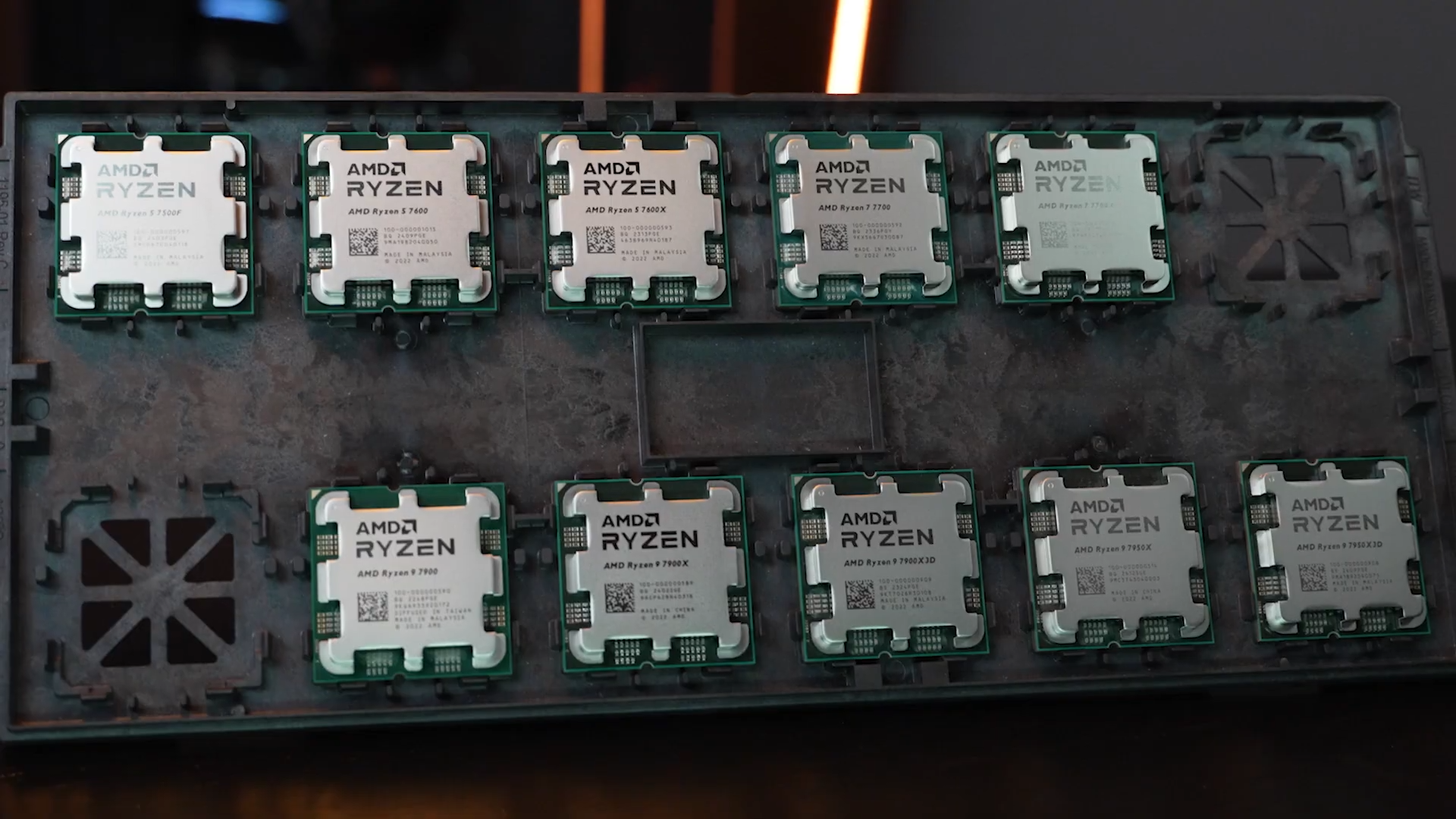
For developers and enthusiasts, the impact will depend heavily on workload-specific needs. High-end workloads, such as content creation or 3D rendering, may see minimal disruption if the performance gains from newer generations justify the cost. However, everyday users—those building systems for general productivity or gaming—may find themselves at a crossroads. The increase could push some toward older-generation CPUs or even alternative platforms like AMD's Ryzen series, where pricing has remained more stable.
Intel's move also raises questions about supply and availability. While the company has historically prioritized performance in its roadmap, recent production challenges have left some wondering whether this price hike is a strategic adjustment to reflect true market value or an attempt to mitigate supply constraints. If the increase leads to longer lead times for new CPUs, developers may need to rethink their procurement strategies, balancing immediate needs with long-term budgeting.
Looking ahead, the availability of these pricier CPUs will be a key factor. Intel has not provided timelines for when the price hike would take effect or how it might adjust inventory in response to demand. For now, builders should monitor supply trends closely, as the shift could either stabilize Intel's market position or accelerate competition from rivals like AMD and ARM-based alternatives.