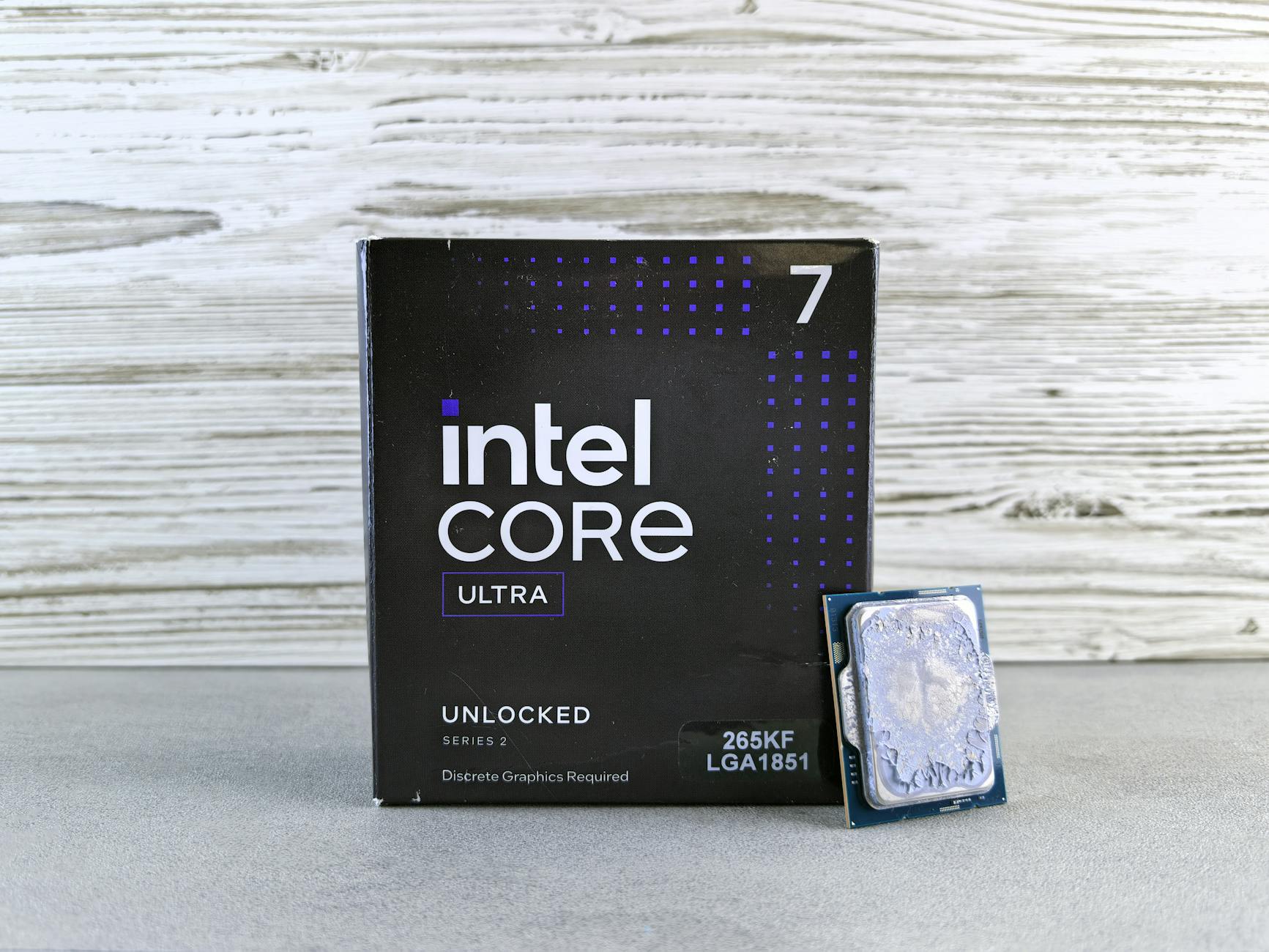
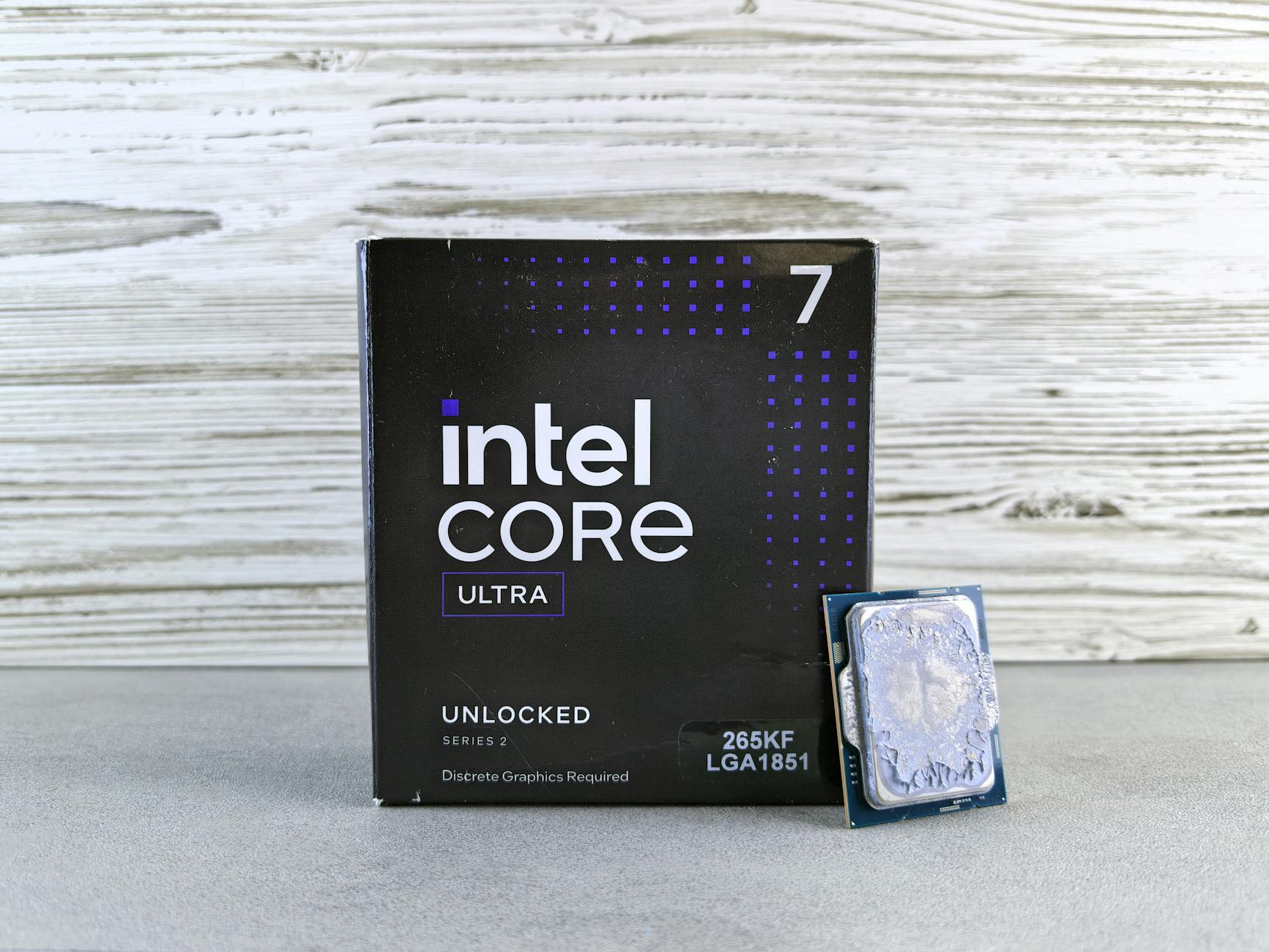
Intel’s strategy for desktop gaming is undergoing a significant shift, one that could reshape its position in the market over the next five years. The company has decided to skip its planned 14th Generation Raptor Lake Refresh entirely, opting instead to focus on a delayed but more ambitious 15th Generation Arrow Lake platform. This pivot, which was announced without fanfare, suggests Intel is betting heavily on software-driven performance improvements to close the gap with AMD, particularly in gaming workloads.
The original timeline for Arrow Lake had it arriving in late 2024, but that has now been pushed back to the second half of 2025. The delay is not just about refining hardware; Intel is also integrating advanced features like AVX-512 support and AI acceleration into the platform. However, this extended development window could leave Intel trailing behind AMD’s X3D stack in the near term, at least until Arrow Lake reaches the market.
Performance Gains with a Software-Centric Approach
Arrow Lake is set to introduce significant architectural changes, including up to 96 execution units in its high-end models. This represents a substantial leap forward in single-threaded performance, potentially allowing Intel to challenge AMD’s dominance in desktop gaming. However, the platform’s performance will heavily rely on software optimization, which could complicate enterprise deployments.
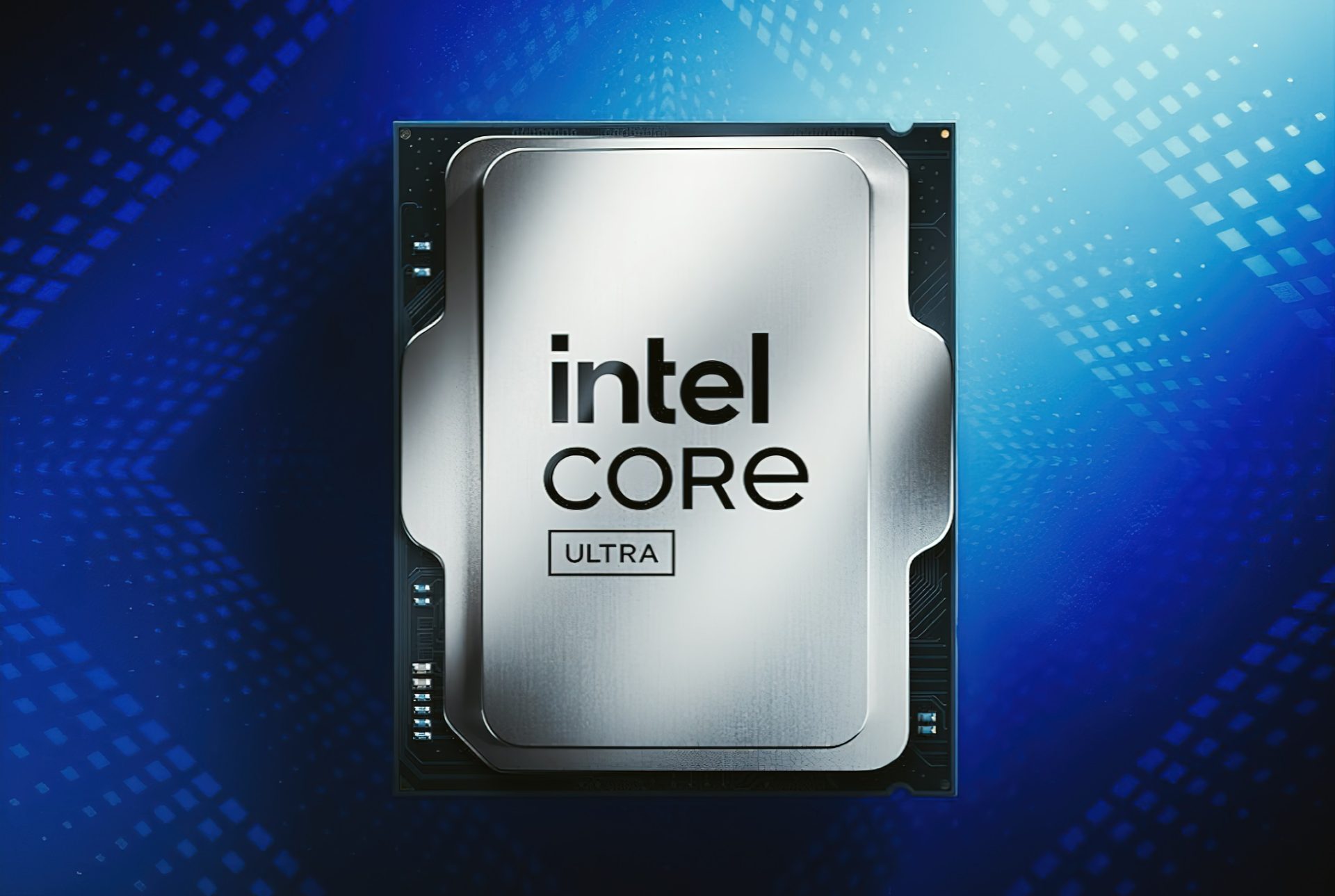
- Up to 18 cores / 24 threads (P-Cores)
- Up to 96 execution units (E-Cores)
- AVX-512 support
- AI acceleration via Intel Thread Director
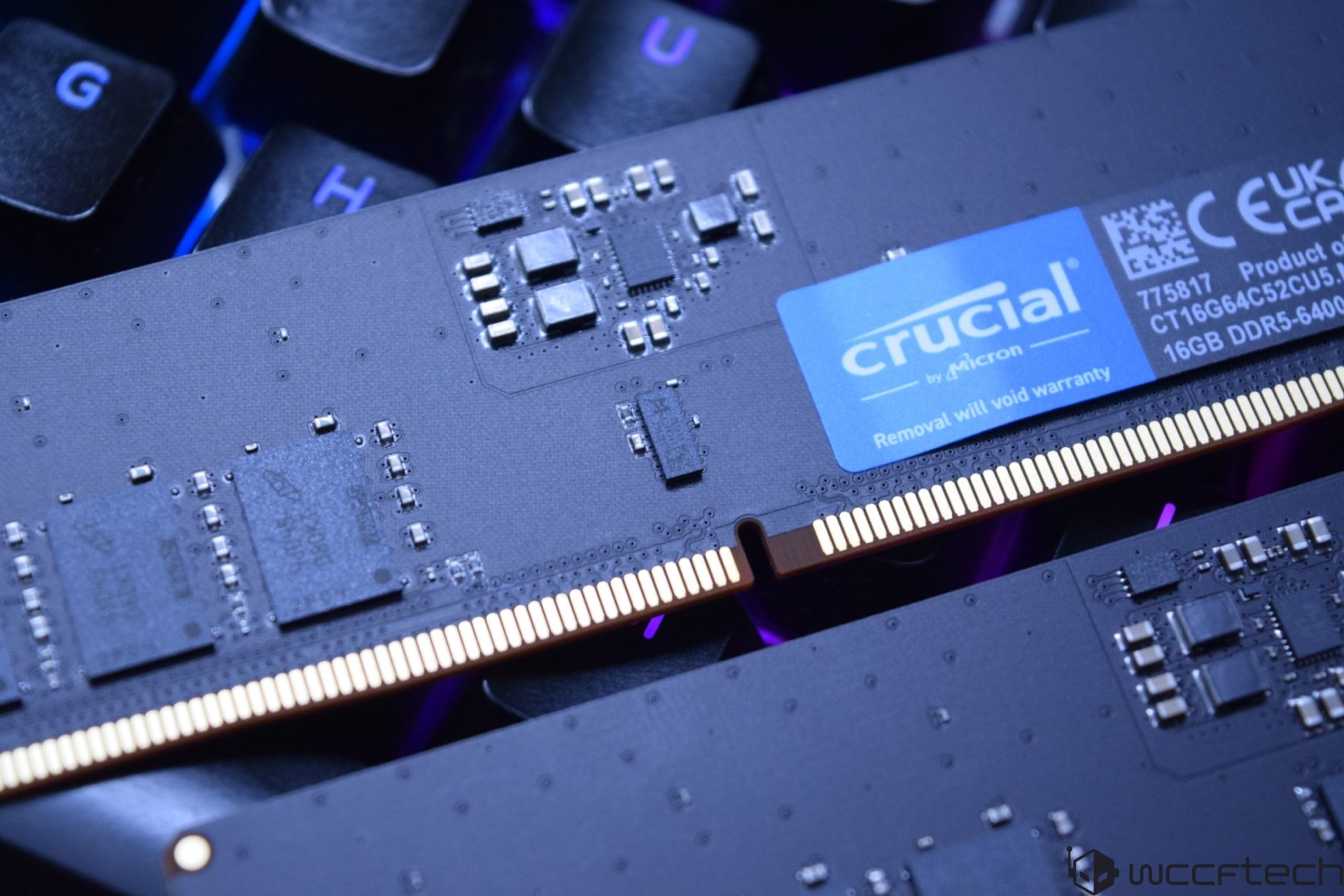
The new memory architecture in Arrow Lake is another key differentiator. By doubling the effective bandwidth of previous generations, Intel aims to offset some of AMD’s advantages with its X3D stack. However, this improvement comes with a practical downside: enterprise buyers will need to upgrade both motherboards and RAM, adding complexity and potential costs to large-scale deployments.
Supply Constraints and Pricing Uncertainty
While Intel has not yet revealed pricing details for Arrow Lake, industry insights suggest it will target the high-end market with a premium positioning against AMD’s Ryzen 9000 series. Supply constraints remain a significant concern; Intel’s ongoing challenges with ramping 3nm production could further delay the platform’s availability beyond 2025.
The company is placing a strong emphasis on software innovation, particularly with features like Intel Thread Director and AI-aware scheduling. These tools promise efficiency gains that could translate into real-world performance improvements, but their impact will not be fully clear until benchmarks emerge, likely in late 2024 or early 2025.
The critical question for enterprises is whether Intel can deliver on its promises without repeating past supply missteps. If Arrow Lake arrives on time and at scale, it could reshape the desktop gaming landscape, offering a compelling alternative to AMD’s current offerings. However, the roadmap remains uncertain, and the company’s ability to execute will determine how successful this gambit truly is.