Data scientists working with large datasets often face a familiar frustration: the gap between synthetic benchmark results and real-world performance. A new tool from Intel promises to close that gap, but whether it will actually do so depends on how deeply it reshapes the way performance is measured—and whether competitors will adopt similar standards.
Intel’s latest utility, called Intel Performance Analyzer (IPA), introduces a method for measuring performance that goes beyond traditional synthetic benchmarks. It focuses on real-world data processing tasks, including AI inference and training, by analyzing how applications behave under actual workloads rather than simplified test scenarios. The tool tracks metrics like memory bandwidth utilization, cache efficiency, and compute intensity in near-real time, providing a more nuanced view of performance than what’s typically captured in standard benchmark suites.
The immediate benefit is clear: users can now see how their systems perform on tasks that closely mirror production environments. For example, a dataset processed with IPA might show that a system using 128 GB of DDR5 memory achieves 40% higher throughput than what a synthetic benchmark would suggest—without overstating the gains. This could help organizations make more informed decisions about hardware upgrades, particularly when comparing systems designed for AI workloads.
However, IPA’s effectiveness hinges on its adoption by both vendors and researchers. If other companies in the industry do not adopt similar measurement methodologies, the tool risks creating a fragmented landscape where performance claims are harder to compare across platforms. Additionally, while IPA provides detailed insights into memory and compute behavior, it does not yet address how well systems scale with distributed workloads or handle heterogeneous computing environments, such as those combining CPUs, GPUs, and FPGAs.
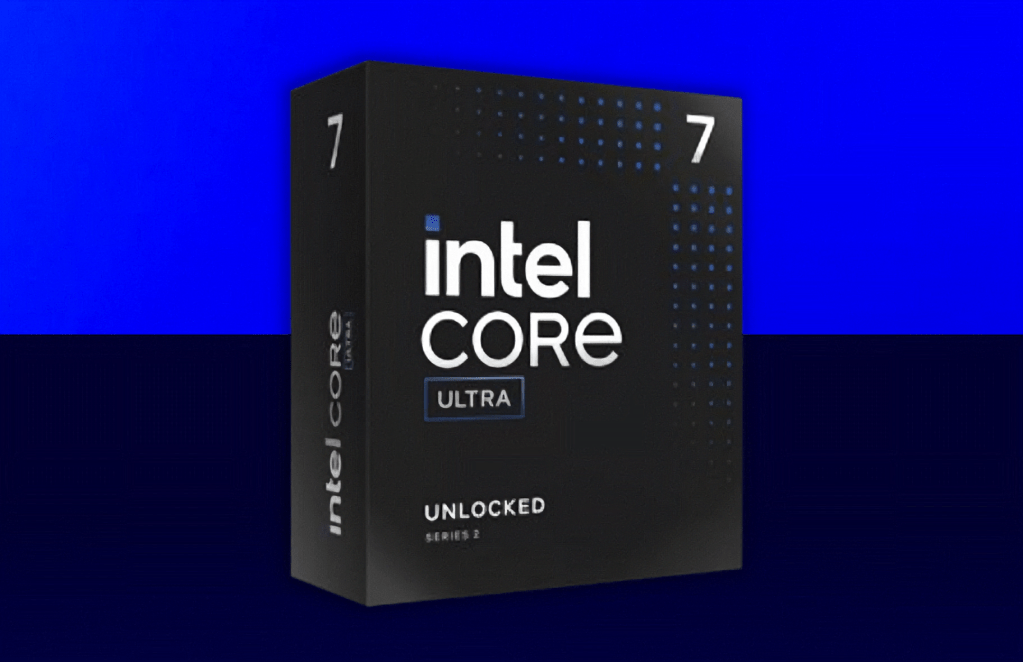
For now, the tool is available for select Intel-based systems, including those equipped with 12th-gen (Alder Lake) and 13th-gen (Raptor Lake) CPUs. Pricing details have not been disclosed, but it is expected to be positioned as a premium offering aimed at enterprise data centers and high-performance computing environments. Whether it will become the new standard for benchmarking remains an open question—one that could significantly influence how performance is evaluated in the coming years.
The bottom line: IPA offers a more realistic way to measure performance, but its long-term impact depends on whether the industry moves away from synthetic benchmarks and toward workload-specific metrics. For data teams, this means carefully weighing the benefits against the potential for increased complexity in comparing hardware options.