An IT manager in a data center is faced with a critical decision: upgrade existing servers to handle growing workloads without significantly increasing power consumption. The choice between raw performance and efficiency has never been more pronounced, especially with the latest developments from Intel.
Intel's Nova Lake CPUs, set to debut alongside 14th Gen Core processors, introduce Coyote Cove P-cores that prioritize performance-per-watt over maximum clock speeds. This marks a departure from traditional CPU design philosophies, where higher frequencies often dictated market positioning. Instead, Intel is betting on sustained efficiency gains, which could translate into lower operational costs and reduced thermal output in data centers.
The Coyote Cove architecture is designed to deliver up to 20% higher instruction per cycle (IPC) compared to previous generations. This improvement is notable, as IPC growth has been a key differentiator for Intel in recent years. However, the architecture does not aim to match the peak clock speeds of AMD's Zen 6 cores, which can reach up to 5 GHz. Instead, Intel is focusing on sustained performance at lower power levels, targeting scenarios where efficiency is paramount.
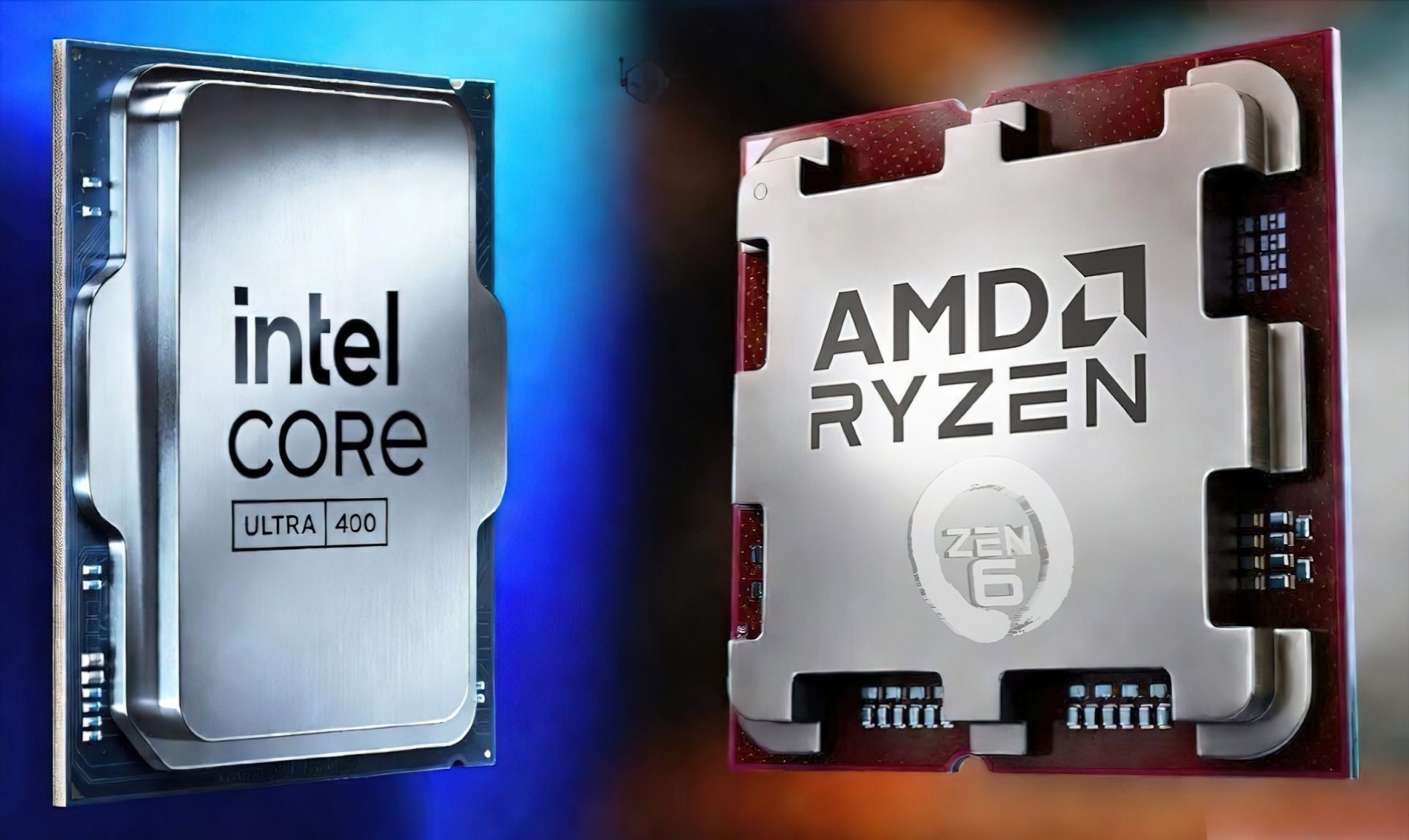
For IT teams, this shift could mean more predictable thermal behavior and longer intervals between hardware refreshes. The Nova Lake CPUs are expected to support up to 28 cores (16 P-cores and 12 E-cores) and feature a new cache hierarchy that improves multi-threaded workload performance. Additionally, the platform will include a new memory controller with support for DDR5-5600, ensuring compatibility with next-generation memory modules.
While enthusiasts may initially gravitate toward higher clock speeds offered by competitors, the real beneficiaries of this architecture are likely to be data center operators and enterprise IT departments. The emphasis on efficiency could lead to significant cost savings over time, particularly in environments where power consumption is a critical factor. For those prioritizing raw performance, the trade-off may not be as favorable, but the long-term advantages for sustainability and operational expenses could make this a compelling choice.
Intel's strategy with Nova Lake reflects a broader industry trend toward balancing performance with efficiency. As workloads become more diverse and power constraints tighten, CPUs that can deliver sustained performance without excessive heat or power draw will likely gain favor. For IT teams evaluating their next hardware refresh, the Nova Lake CPUs could offer a pragmatic path forward—one that aligns technical capabilities with financial and environmental considerations.