For years, enterprise buyers have faced a clear choice: powerful discrete GPUs for heavy workloads or integrated graphics for cost-sensitive deployments. Intel’s upcoming Nova Lake desktop CPUs blur that line by embedding Xe3P graphics into its core architecture, positioning them as a middle ground between pure CPU performance and APU efficiency.
The new variant will feature 12 next-generation Xe3P cores, marking a significant step toward unifying compute and graphics in a single chip. While this approach mirrors AMD’s APUs, Intel’s integration strategy—rooted in its long-standing x86 dominance—could redefine how enterprises balance cost, power efficiency, and performance.
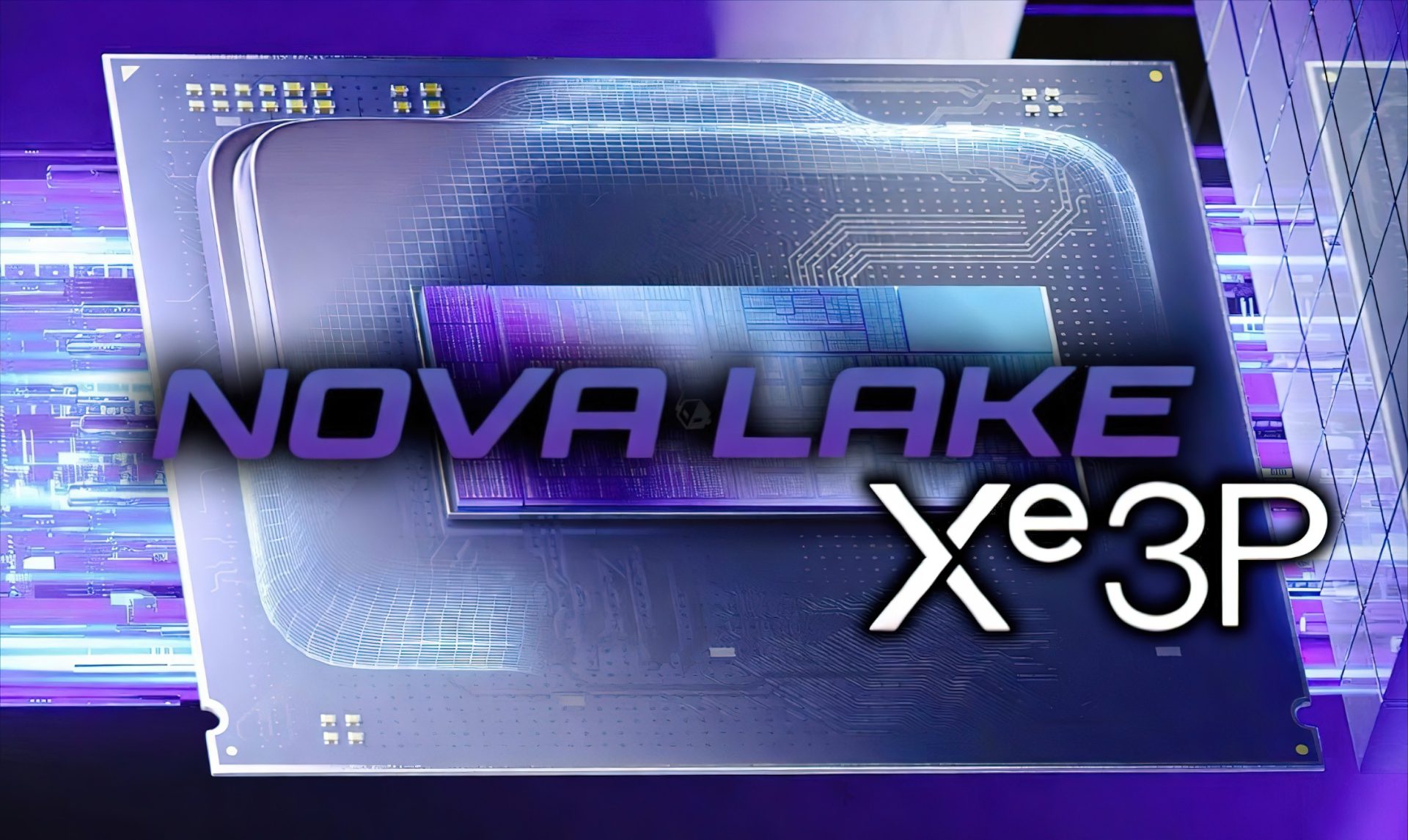
- Cores: 12 Xe3P cores (next-generation)
- Integrated Graphics: Xe3P iGPU
- Memory Support: DDR5, LPDDR5x
- TDP: Not confirmed (likely 65W or lower for efficiency focus)
The inclusion of Xe3P graphics suggests Intel is targeting workloads that demand more than basic integrated capabilities but don’t justify discrete GPUs—such as AI inference, light rendering, or media encoding. However, the tradeoff remains: will the integrated solution deliver enough performance to compete with AMD’s APUs, or will it become a niche offering for budget-conscious systems?
Intel’s move also reflects broader industry trends toward unified architectures, where CPU and GPU workloads converge under a single roof. For enterprises, this means evaluating whether Intel’s integration strategy can future-proof their deployments without sacrificing performance. The answer isn’t clear yet, but one thing is certain: the landscape for integrated computing is evolving faster than ever.