For years, the choice between a compact mini-PC and a custom-built desktop has been a trade-off: power versus flexibility. But Intel’s upcoming Panther Lake architecture might just dissolve that divide, offering integrated graphics capable of competing with discrete cards like the RTX 5060—and doing so in a way that could redefine small-form-factor (SFF) builds forever.
This isn’t the first time integrated graphics have turned heads. AMD’s Strix Halo architecture, unveiled last year, proved that mobile CPUs could deliver discrete-level performance—something that sparked excitement in offices and forums alike. But Intel’s entry into this space isn’t just a response; it’s a potential game-changer for how we think about PC design, efficiency, and even the future of budget hardware.
- Panther Lake’s integrated graphics aim to close the performance gap between mobile chips and dedicated GPUs, with benchmarks suggesting near-RTX 5060 levels in efficiency-focused workloads.
- The technology could enable mini-STX or even smaller form factors to support high-performance builds without requiring a discrete GPU, blending the ease of prebuilt mini-PCs with the customization of DIY systems.
- While concerns linger about the long-term viability of budget discrete GPUs, Panther Lake’s efficiency gains could push the industry toward more optimized, space-saving components—something critical as energy costs and real estate demands rise.
- Early hints from AMD’s CES 2026 presentations suggest a shift toward modular, socketed designs for mobile chips, which could further blur the line between laptops, mini-PCs, and traditional desktops.
The appeal of Panther Lake isn’t just about raw power. It’s about choice. Imagine a build where a Ryzen AI Max+-like chip or a Panther Lake equivalent is soldered onto a mini-STX motherboard—no discrete GPU needed. Or picture a hybrid approach: a preconfigured base unit with the flexibility to swap in custom cooling or storage later. This could be the DIY-friendly evolution of Intel’s Compute Element concept, one that finally gains traction after years of stagnation.
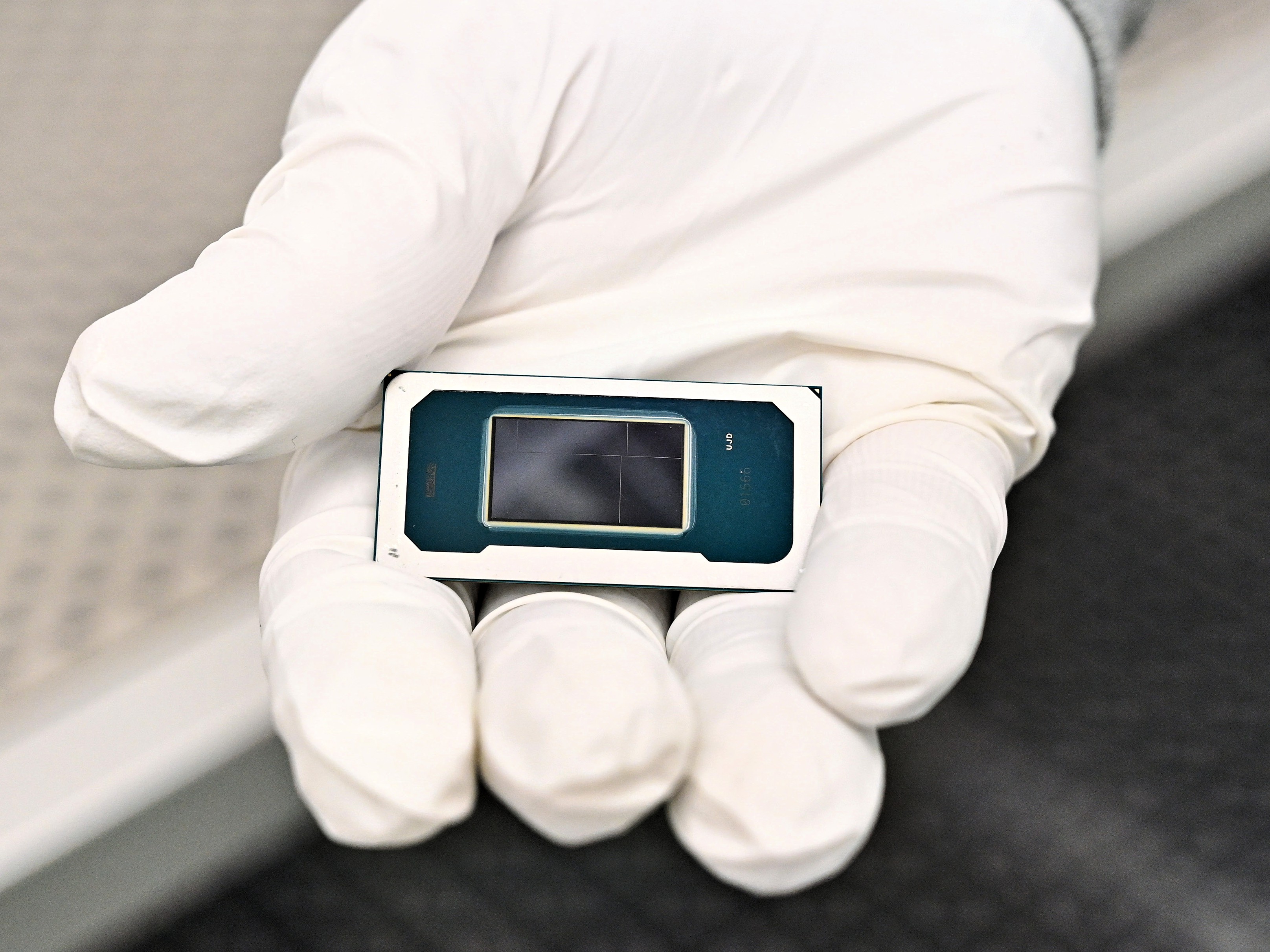
Of course, not everyone will cheer. Budget GPU makers already face pressure from AMD’s 3D V-Cache and Intel’s own integrated advancements. But the bigger picture is about progress: hardware that doesn’t just push performance but also prioritizes efficiency, modularity, and accessibility. For enthusiasts and builders, Panther Lake represents a rare opportunity—a chance to rethink what a PC can be without sacrificing power or flexibility.
There’s still work to be done. Will mini-STX become a standard? Can socketed mobile chips catch on in desktop builds? And most importantly, will this shift leave room for the next generation of discrete GPUs to innovate? For now, the answer lies in Panther Lake’s potential to turn a niche dream—small, powerful, and customizable—into a mainstream reality.