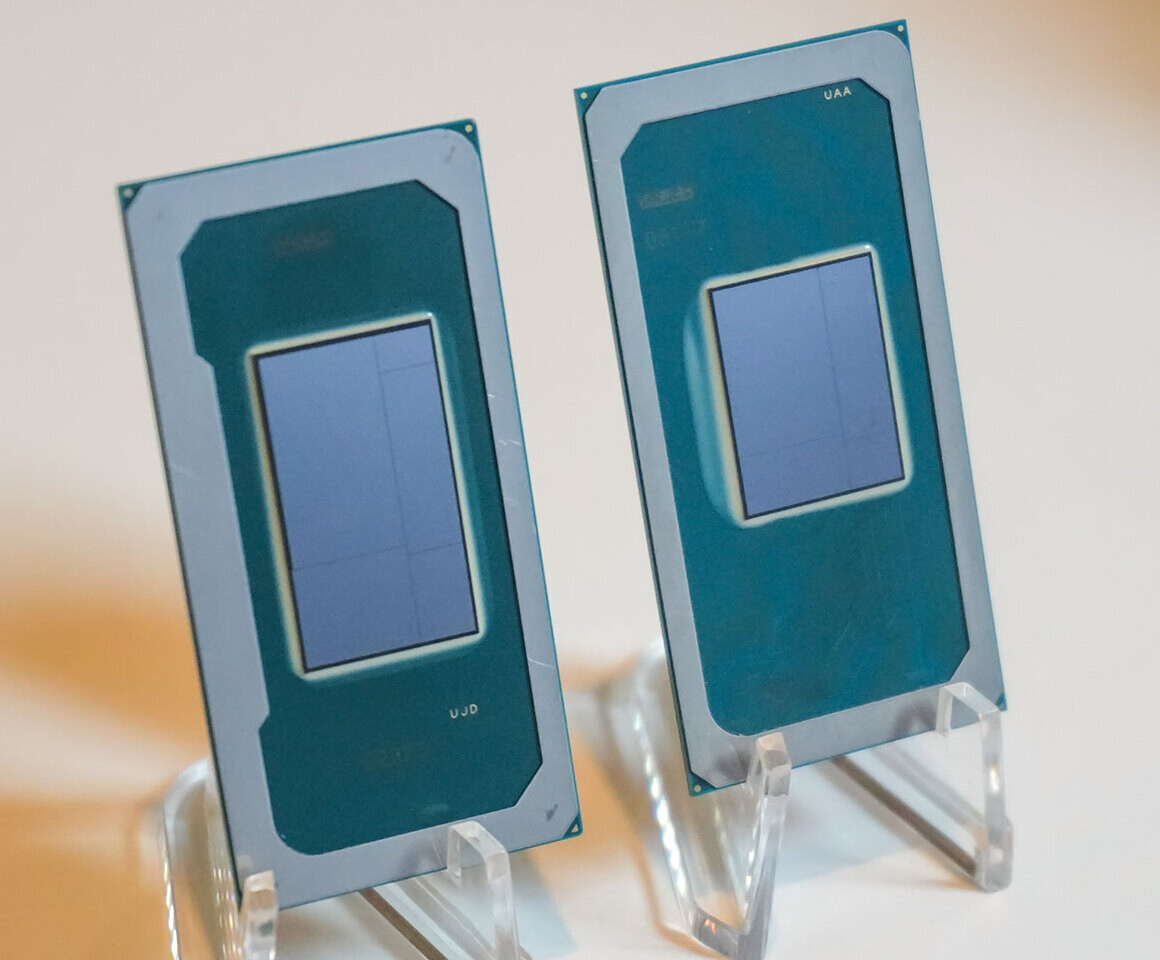
Intel has introduced a new specification hurdle for its Panther Lake SoCs, mandating that systems equipped with Arc B390 and B370 integrated graphics must use LPDDR5X memory running at 7,467 MT/s or higher. Systems failing to meet this threshold will display only a generic ‘Intel Graphics’ label in Windows 11 Task Manager instead of the full ‘Intel Arc Graphics B390/B370’ branding—a subtle but deliberate move to discourage cost-cutting by OEMs.
This requirement stems from Panther Lake’s architecture, where the integrated GPU shares system memory as its primary bandwidth source. Slower memory would cripple performance, particularly in integrated configurations where dedicated VRAM is nonexistent. Intel’s highest-end Panther Lake SKUs officially support memory speeds up to 9,600 MT/s, the maximum for LPDDR5X, suggesting that even mid-range configurations will benefit from faster memory for smoother frame rates in integrated workloads.
Why Memory Speed Matters for Panther Lake
The SoC’s reliance on memory bandwidth is a double-edged sword. While faster LPDDR5X (7,467 MT/s or higher) unlocks near-peak performance for integrated graphics, it also raises system costs. OEMs may opt for lower-speed LPDDR5 (up to 6,400 MT/s) in budget systems, but those builds would lose Intel’s branded GPU identification—a potential selling point for performance-conscious buyers.
This isn’t just about branding, though. Benchmarking suggests that slower memory could degrade integrated GPU performance by 10–20% in demanding titles, making the difference between playable and frustrating frame rates. For example, a system with 9,600 MT/s LPDDR5X might handle Cyberpunk 2077 at 30–40 FPS in integrated mode, while a 6,400 MT/s setup could struggle below 20 FPS—a critical gap for casual gaming or creative workloads.
Panther Lake’s Memory Ecosystem: A Mixed Bag
Intel’s push for higher memory speeds aligns with early OEM partnerships, where flagship Panther Lake laptops and handhelds are already shipping with 9,600 MT/s LPDDR5X—a positive sign for enthusiasts. However, budget-oriented designs may still emerge with slower memory, though they’ll lack Intel’s branded GPU labeling.
Separately, Intel is developing a Panther Lake variant for handheld devices, rumored to feature an Arc B380 GPU. This SKU is expected to prioritize power efficiency through selective die binning, maintaining full 12 Xe-core performance at reduced clock speeds to match lower TDP targets. Such optimizations could make it a strong contender for ultrabooks and 2-in-1s, where battery life is paramount.
Key Specs: Panther Lake Memory Requirements
- Minimum Memory: LPDDR5X-7,467 MT/s (or higher) for Arc B390/B370 branding
- Maximum Supported: LPDDR5X-9,600 MT/s (flagship SKUs)
- Fallback Branding: Systems below 7,467 MT/s show ‘Intel Graphics’ (no Arc branding)
- Handheld Variant: Rumored Arc B380 with power-efficient 12 Xe-cores
- CPU Context: Part of Core Ultra 300 series (successor to Arrow Lake)
The memory requirement isn’t just about performance—it’s a strategic move to ensure Panther Lake’s integrated graphics live up to Intel’s marketing promises. For buyers, this means higher-end Panther Lake systems will deliver stronger iGPU performance, while budget models may underperform unless OEMs compromise on memory speeds. Availability for consumer devices remains unconfirmed, but early adopters can expect a clear divide between premium and economy configurations.