One persistent assumption about workstation processors is that they must sacrifice flexibility for stability. Overclocking, once the domain of gaming PCs, was long considered incompatible with Xeon-grade reliability. Yet Intel has shattered that expectation with the Xeon 698X, the series’ flagship. The chip not only supports unlocked multipliers but also delivers Turbo Boost frequencies that rival high-end consumer CPUs—4.8 GHz at its peak. This isn’t just a technical curiosity; it’s a signal that Intel is courting power users who’ve historically been left out of the workstation market.
The leap in core count—up to 86 cores in the Xeon 698X—has led some to assume these chips are merely brute-force engines, devoid of efficiency. In reality, the Redwood Cove architecture refines Intel’s prior-generation performance while introducing specialized AI instructions. Deep Learning Boost now includes AMX, a feature previously reserved for Intel’s Core Ultra series, alongside VNNI and AVX-512. This means workloads like 3D rendering or scientific simulations can tap into hardware acceleration for AI tasks without sacrificing precision. The trade-off? These chips aren’t optimized for light workloads. Unlike the Core Ultra 5 245K, which balances efficiency with performance, the Xeon 600 Series is built for sustained, parallel processing.
Memory capacity has long been a bottleneck in workstation design. Many expected DDR5 support to mean incremental gains, but Intel’s W890 chipset and 8-channel memory architecture enable up to 4 TB of DDR5-6400 RDIMMs—a figure that dwarfs even high-end consumer systems. This isn’t just about raw capacity; it’s about enabling applications like Blender or Autodesk Maya to handle datasets that would previously stall on conventional setups. The platform’s 128 PCIe 5.0 lanes further eliminate bottlenecks for multi-GPU configurations, making it a viable choice for studios rendering complex scenes or researchers processing large datasets.
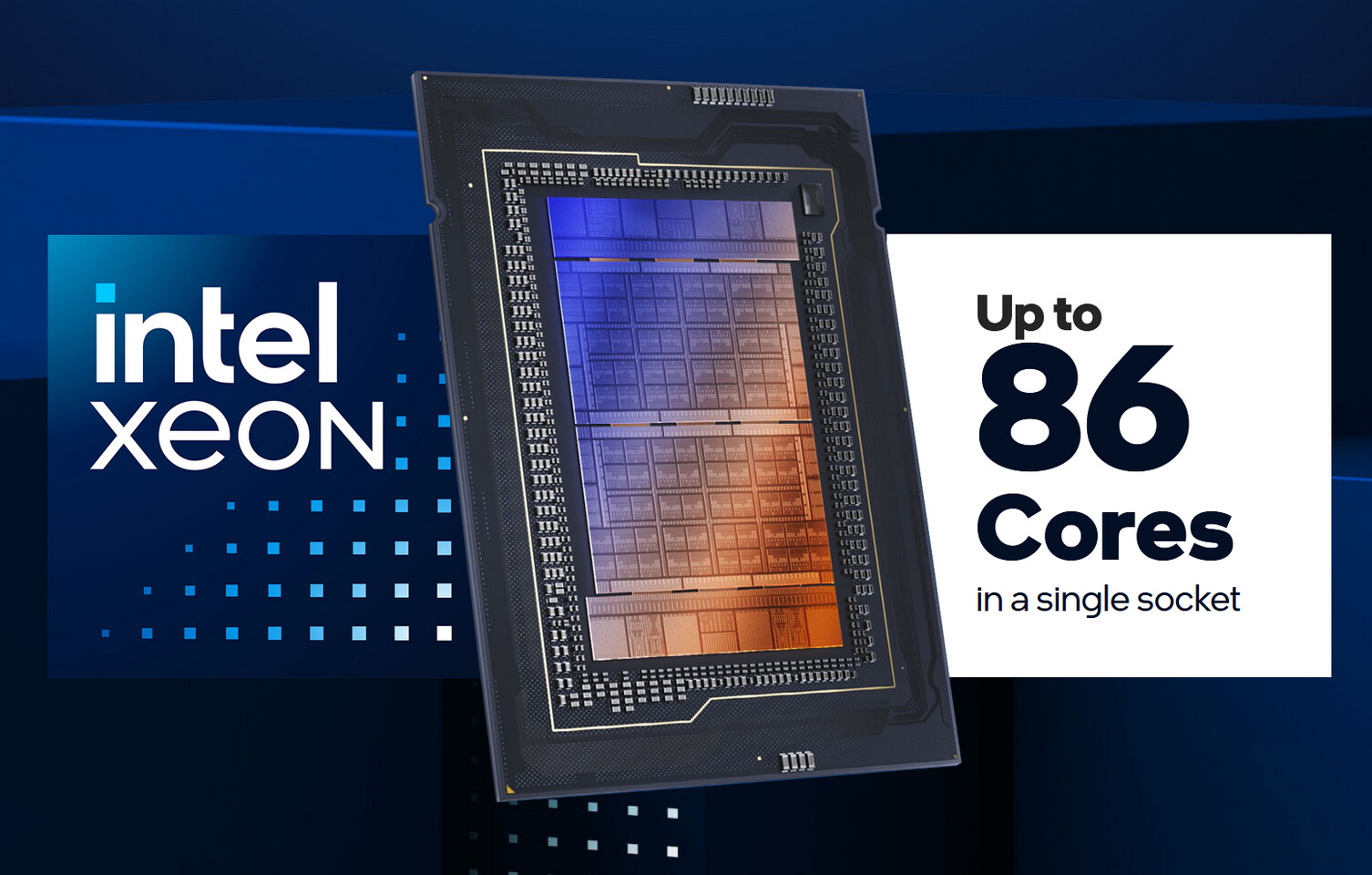
The pricing structure has also defied expectations. The Xeon 634, with its 12 cores, starts at $499—a price point that blurs the line between workstation and high-end desktop. Yet the top-tier Xeon 698X commands $7,699, a premium that reflects its extreme core count and memory scalability. This tiered approach ensures that professionals can scale their investments based on need, but it also raises questions about the practicality of the highest-end models. For most users, the Core Ultra 300 series may still offer a better balance of performance and efficiency, especially for tasks that don’t require 86 cores.
What remains unclear is how these chips will perform in real-world scenarios beyond synthetic benchmarks. Early tests suggest the Xeon 600 Series excels in multi-threaded workloads like linear algebra and 3D rendering, where its parallel processing strength shines. However, in single-threaded tasks or efficiency-focused applications, the Core Ultra 5 245K holds its own, with a 2.0 GHz base clock and optimized power delivery. The absence of E-cores—Intel’s efficiency-focused architecture—means these Xeons won’t be ideal for background tasks or light productivity work. For professionals who need a jack-of-all-trades chip, the trade-offs may not be worth the cost.
The Xeon 600 Series isn’t just a product; it’s a statement about the future of workstation computing. By unlocking overclocking, integrating AI acceleration, and pushing memory limits, Intel is forcing the industry to reconsider what a workstation CPU can—and should—do. For those who’ve been constrained by the limitations of consumer-grade hardware, this series offers a path forward. But it’s not a universal solution. The reality is that these chips are specialized tools, designed for professionals who demand the absolute maximum from their hardware—even if it means paying a premium for the privilege.