Intel’s push to modernize its graphics stack with XeSS 3 and multi-frame generation (MFG) has traditionally been tied to its latest Xe3-core GPUs, specifically those found in Panther Lake processors. Yet, within hours of the official rollout, tech-savvy users have discovered a straightforward method to unlock these features on older Intel graphics hardware—no new silicon required.
The process involves swapping two key driver files—igxell.dl and igxess_fg.dll—from a recent driver package into an older version, then reinstalling. While Intel has confirmed broader support is coming, this unofficially enables XeSS 3 and MFG on cards like the Arc B580 and A770, as well as integrated graphics in select 12th and 13th Gen Intel GPUs. The catch? Performance improvements will vary dramatically based on the underlying hardware.
How It Works—and Why It Matters
The workaround leverages Intel’s existing driver infrastructure, where the latest builds include the necessary code for XeSS 3 and MFG, but the installation process defaults to disabling them on older chips. By manually overriding the driver’s checks, users can activate these features without hardware upgrades. Early reports suggest the method is stable, though some users caution that driver instability remains a risk—especially for those unfamiliar with manual driver replacements.
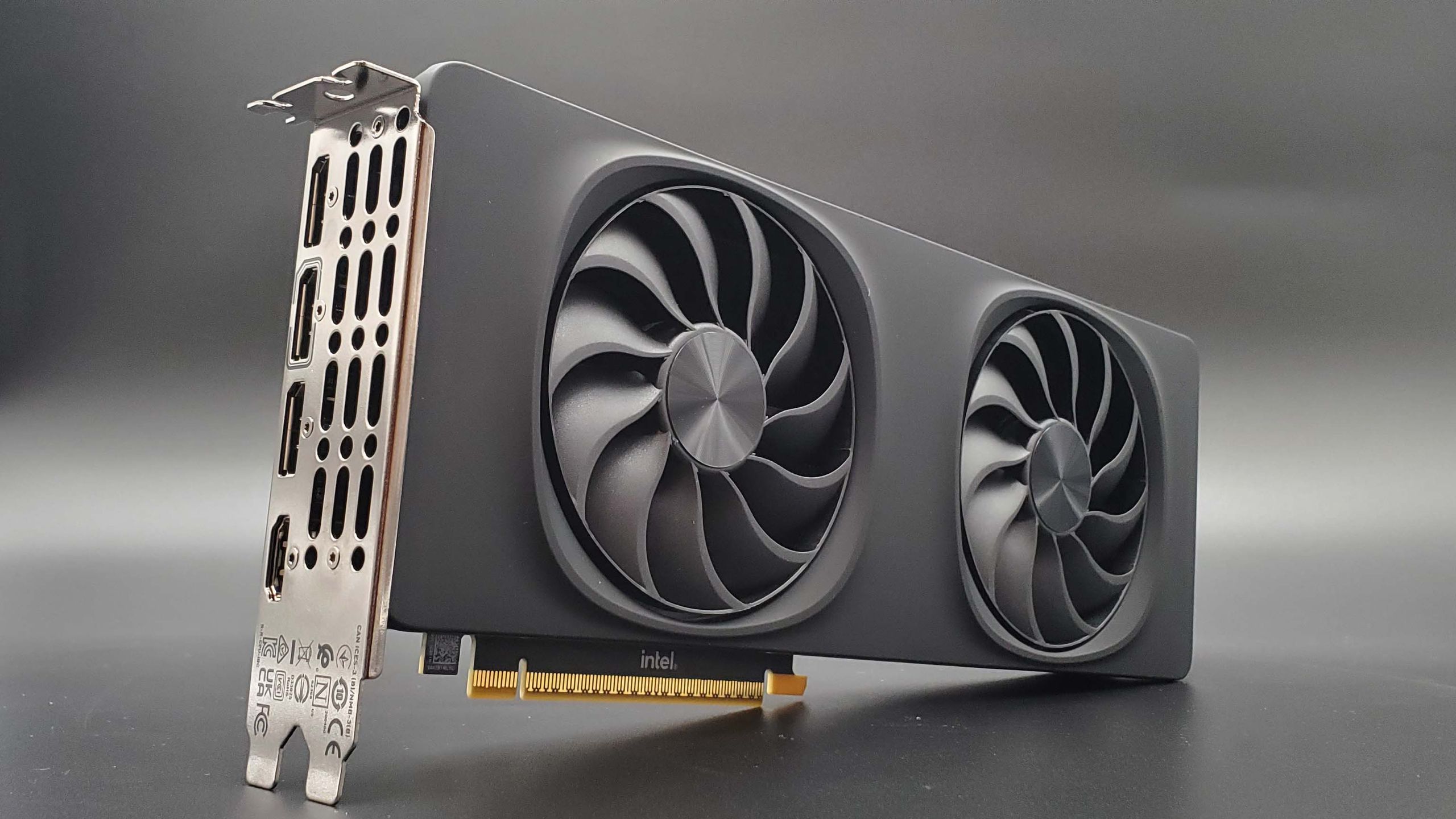
For context, multi-frame generation dynamically stitches together multiple low-resolution frames rendered by the GPU’s AI upscalers (like XeSS) into a single high-resolution output, effectively boosting perceived performance. However, this technique demands significant computational overhead. On an A370M running Cyberpunk 2077, one tester observed frame rates plummet from the 40s (with upscaling alone) to the low 20s when enabling 4x MFG. That said, the perceived smoothness improved dramatically—jumping from 20–24 FPS to 80–92 FPS—though frame pacing issues suggest refinements are still needed.
Who Benefits—and Who Won’t
This workaround isn’t a silver bullet. Older Intel GPUs, particularly those without XMX acceleration (like the ACM-G11 in some integrated graphics), will struggle to handle MFG efficiently. The A770 and B580, which include XMX units, fare better but still exhibit higher power draw and thermal throttling under heavy loads. That said, for users with controller-based gaming setups, the experience may feel acceptable—even at lower frame rates—due to reduced input lag sensitivity.
Intel has repeatedly emphasized that its driver quality has improved significantly in recent years, and this unofficial access to XeSS 3 underscores that progress. While the company has not yet confirmed an official release date for broader support, the fact that these features can now be enabled with minimal effort suggests Intel is closer than ever to making them mainstream. For now, enthusiasts can experiment—though proceeding with caution is advised.
One lingering question: Will Nvidia and AMD respond with their own optimizations for older hardware? Given Intel’s aggressive positioning of XeSS 3 as a competitive edge, the pressure to match such capabilities may soon extend beyond the latest GPUs.