For users building a high-performance desktop around Intel’s next-generation Nova Lake-S CPUs, the choice of motherboard chipset will no longer be just about premium vs. budget—it will increasingly hinge on flexibility.
The Z970 chipset, slated for late-2026, is poised to absorb a significant portion of what was traditionally the B860 segment, delivering overclocking capability and richer I/O options that sit between Intel’s top-tier Z990 and its value-focused B960. This shift suggests a more tiered approach for motherboard manufacturers, with the Z970 becoming the default for users who want tuning headroom without the cost of a full flagship setup.
- Overclocking support: Enables CPU frequency adjustments, unlike the B960.
- Expanded I/O selection: More ports and slots compared to the B860 baseline.
- Storage flexibility: Likely includes multiple M.2 slots for Gen5 NVMe SSDs (up to 4 TB).li>
The Z970 is expected to avoid some of the limitations seen in past Bx60 chipsets, such as restricted PCIe lanes or fewer SSD slots on lower-cost models. Instead, it will offer a balanced feature set that appeals to mainstream builders who need room for future upgrades—whether that’s faster RAM (LPDDR5X), larger storage, or additional expansion cards.
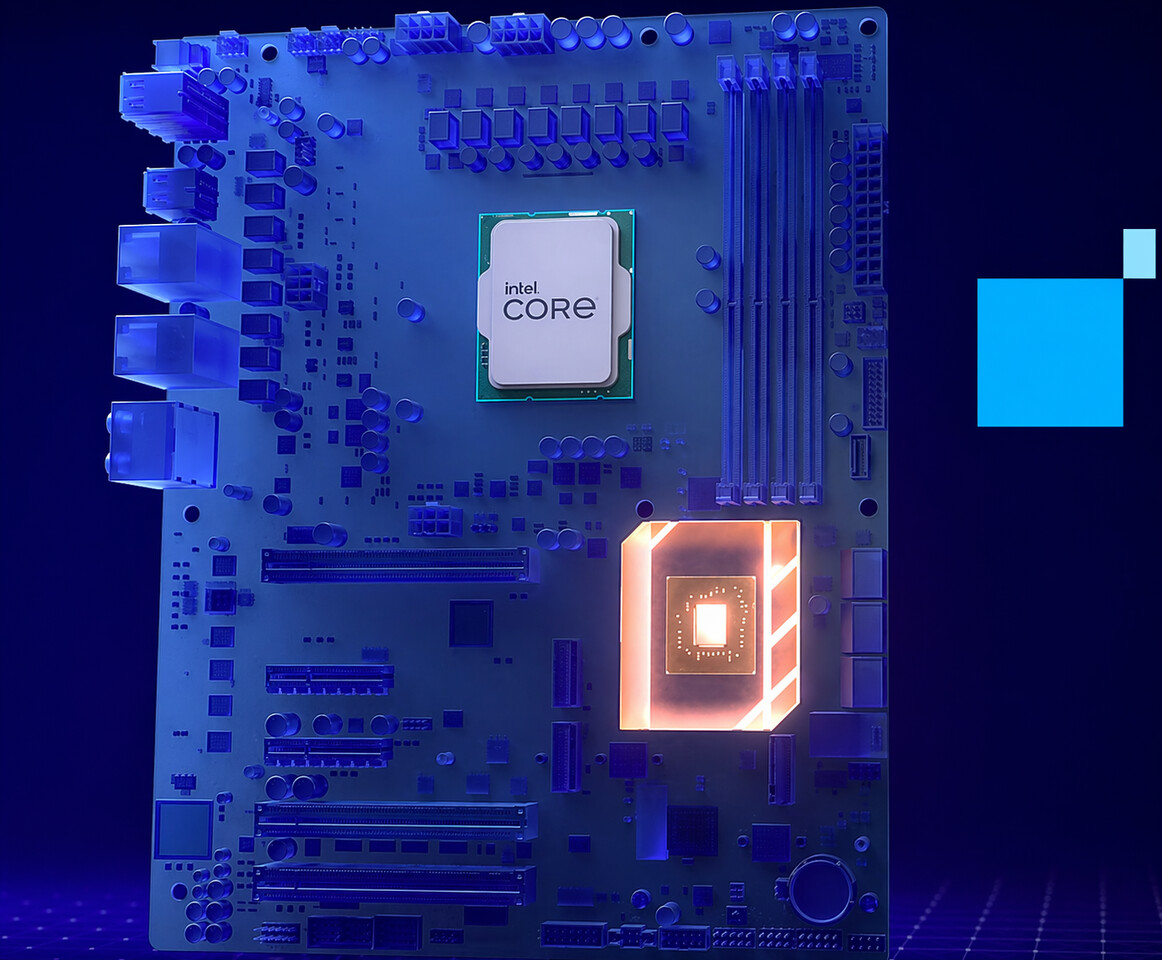
Meanwhile, the B960 will remain an entry-level option without overclocking, targeting OEM all-in-one builds and mini-PCs where cost is prioritized over tuning. The Z990, reserved for dual-compute-tile CPUs and high-end single-tile models with built-in LLC, will focus on maximum expansion—think more PCIe slots, higher RAM capacity (up to 200 W TDP), and premium cooling solutions.
What this means in practice: If you’re buying a mid-range Nova Lake-S CPU that isn’t the most power-hungry model, the Z970 will likely be the smart pick. It avoids the premium pricing of Z990 while still delivering enough I/O and overclocking headroom for serious workloads—whether gaming, content creation, or AI acceleration. The B960, by contrast, is more about getting up and running cheaply, with fewer slots and less tuning flexibility.
Availability and pricing aren’t yet confirmed, but leaks suggest Z970 boards could hit shelves around the same time as Nova Lake-S CPUs in late 2026. Watch for motherboard manufacturers to differentiate their Z970 models with board design, port counts, and storage support—some may still skimp on slots or connectivity to keep costs down.