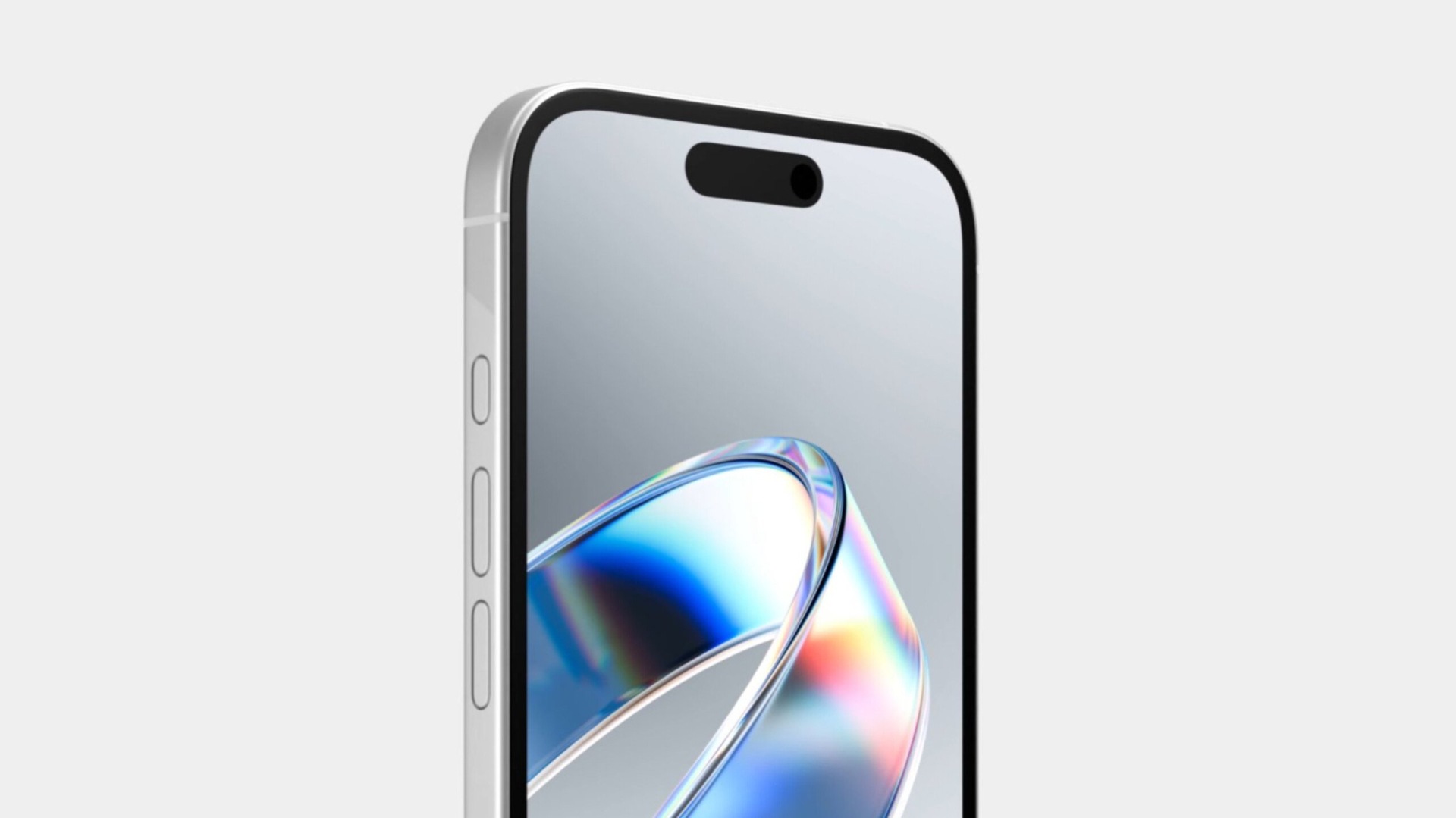
Apple’s upcoming iPhone 17e is expected to arrive in the coming weeks, yet a benchmark leak purporting to show its performance has raised serious skepticism among analysts. The entry, which surfaced on Geekbench 6, lists specifications that defy Apple’s long-standing hardware conventions, including an 8-core CPU—a configuration the company has never used in its A-series chips—and 10GB of RAM, which would be unprecedented for a budget iPhone.
The leak also includes a unique device identifier, iPhone99,11, which doesn’t align with Apple’s naming scheme. The iPhone 16e, for comparison, carries the identifier iPhone17,5, meaning the 17e should logically follow as iPhone18,5. Instead, the leaked entry uses a placeholder-like code, a red flag in itself.
Even more problematic is the claimed CPU architecture. Apple’s A-series chips have consistently featured a 6-core design for years, with the A19 Pro being the sole exception at 6 cores. The leaked benchmark, however, lists an 8-core CPU—a radical departure that would require a completely new silicon design. Additionally, the reported clock speeds of 3.76GHz for the CPU and 4.26GHz for the GPU are suspiciously low, even for a downgraded chip. Earlier reports suggested the iPhone 17e would use a binned A19, but even then, performance benchmarks should reflect higher base speeds, closer to 4.26GHz for the CPU.
Memory allocation is another inconsistency. While the iPhone 17e has been rumored to include 8GB of RAM—a step up from the 6GB in the iPhone 16e—the leaked benchmark claims 10GB, a figure that doesn’t match any known Apple roadmap. The motherboard designation, VPHONE600AP, also doesn’t align with Apple’s historical patterns; the iPhone 16e and iPhone 17 use V59AP and V57AP, respectively, suggesting a sequential but unrelated naming convention.
Why This Leak Shouldn’t Be Trusted
Apple has historically maintained tight control over benchmark leaks, with only a handful of premature disclosures—typically tied to hardware mishaps or insider errors. The most notable exception was a Russian YouTuber who accidentally benchmarked an unreleased M5 iPad Pro before its launch. Outside of such rare incidents, leaks rarely surface before official announcements.
The iPhone 17e is expected to enter mass production following CES 2026, with BOE confirmed as the primary OLED supplier. If the device follows past trends, it will likely feature a downgraded A19 chip with fewer GPU cores, similar to the A18 found in the iPhone 16e. However, the leaked benchmark’s claims of an 8-core CPU and 10GB RAM are so far outside Apple’s established design philosophy that they’re almost certainly fabricated.
Until Apple officially unveils the iPhone 17e, consumers should treat any benchmark leaks with extreme caution. The company’s track record of secrecy, combined with the sheer implausibility of the leaked specs, suggests this is not a genuine preview but rather an attempt to generate premature speculation.
For now, the only reliable way to confirm the iPhone 17e’s specifications will be through Apple’s official announcement. Until then, the benchmark community—and curious buyers—would be wise to wait for verified results.