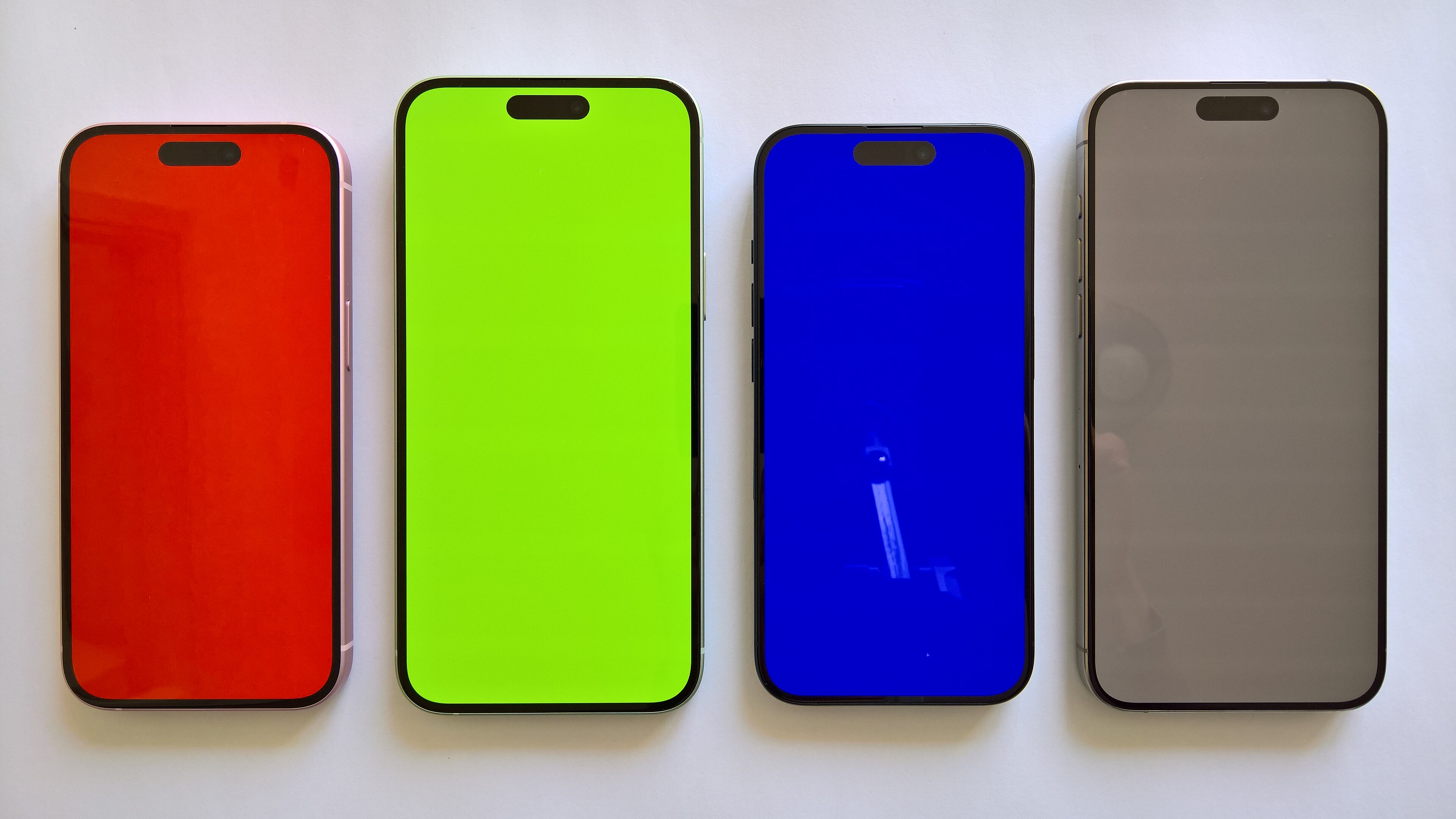
The next generation of iPhones is poised to take a bold step toward Apple’s vision of an ‘all-screen’ device. The iPhone 18 Pro and iPhone 18 Pro Max are expected to feature LTPO+ displays, a significant upgrade from previous models. This technology not only enhances brightness and efficiency but also supports Under-Display Infrared (UDIR), allowing Face ID components to be seamlessly integrated beneath the screen without compromising performance or image quality.
Unlike traditional OLED panels, LTPO+ offers greater control over refresh rates, reducing power consumption while maintaining fluidity. This makes it an ideal choice for devices that prioritize both battery life and display innovation. The shift away from High Mobility Oxide (HMO) technology suggests Apple is doubling down on LTPO+, which is currently produced exclusively by Samsung and LG, with BOE reportedly being left out of the supply chain for these models.
Key Specifications
- Display:
- LTPO+ OLED with Under-Display Infrared (UDIR) technology for in-screen Face ID
- Chipset:
- A20 Pro with WMCM packaging and Super-High-Performance Metal-Insulator-Metal (SHPMIM) capacitors
- Camera:
- 48MP telephoto lens with larger aperture and variable aperture technology
- Battery & Performance:
- Expected to feature significant improvements in battery efficiency due to LTPO+ integration
The 48MP telephoto camera, paired with a larger aperture and variable aperture technology, promises to elevate photography even further. Meanwhile, the A20 Pro chipset, with its advanced packaging and capacitors, is designed to deliver unmatched performance while managing heat more effectively than previous generations.
Thermal management will be a key focus for Apple, given the complexity of under-screen Face ID and the power demands of such advanced hardware. The combination of LTPO+ displays and efficient chip design could result in longer battery life, even as the devices push the boundaries of what’s possible in a smartphone form factor.
While pricing details remain unconfirmed, industry reports suggest that memory costs may influence the final retail price, potentially making these models more expensive than their predecessors. However, Apple’s commitment to custom silicon and innovative design could justify the premium for users seeking cutting-edge technology.