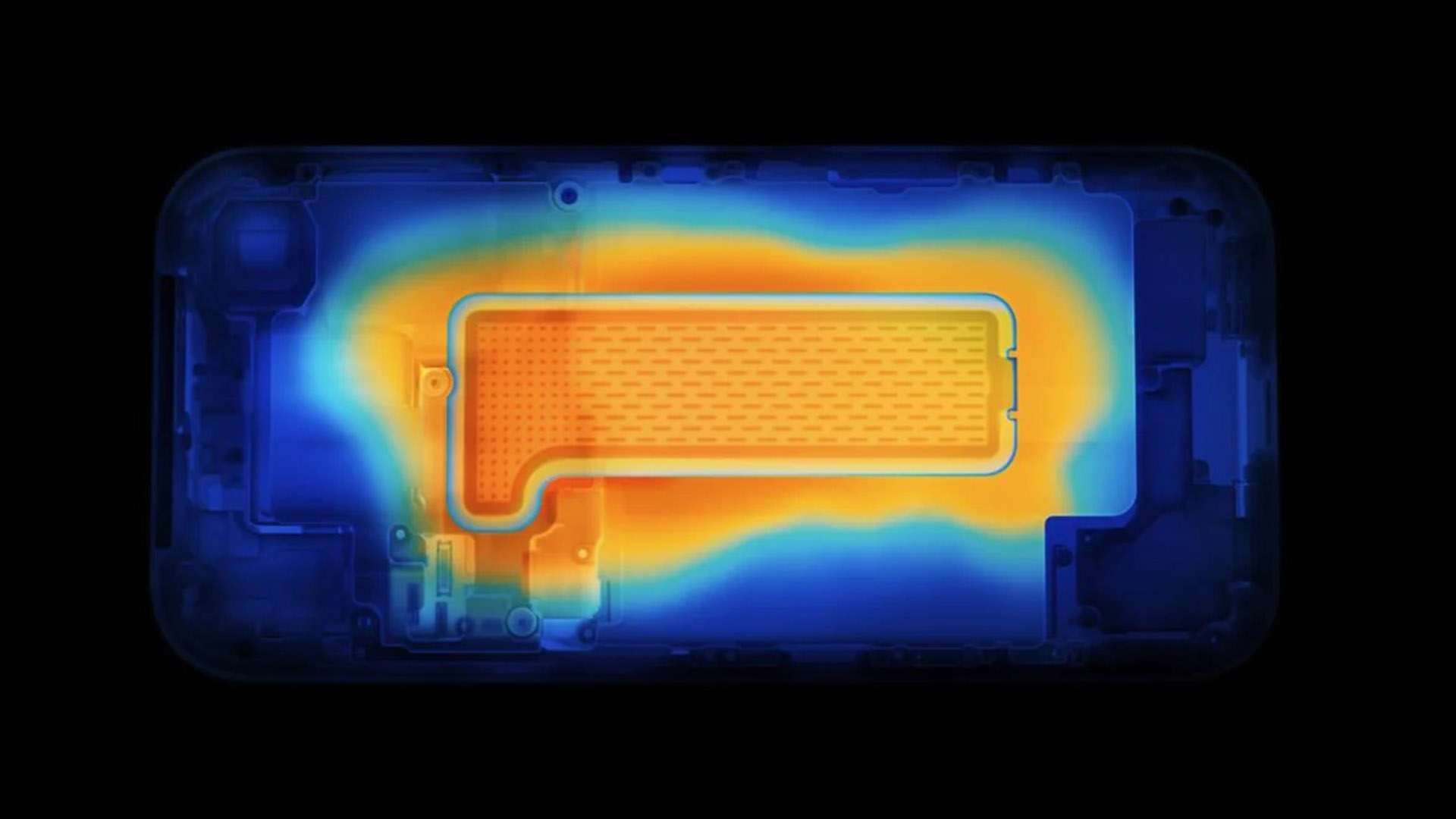
An upcoming refresh of the iPhone line will focus on subtle design tweaks rather than major overhauls, according to industry expectations. This shift suggests a more measured approach to innovation, with an emphasis on refining existing elements.
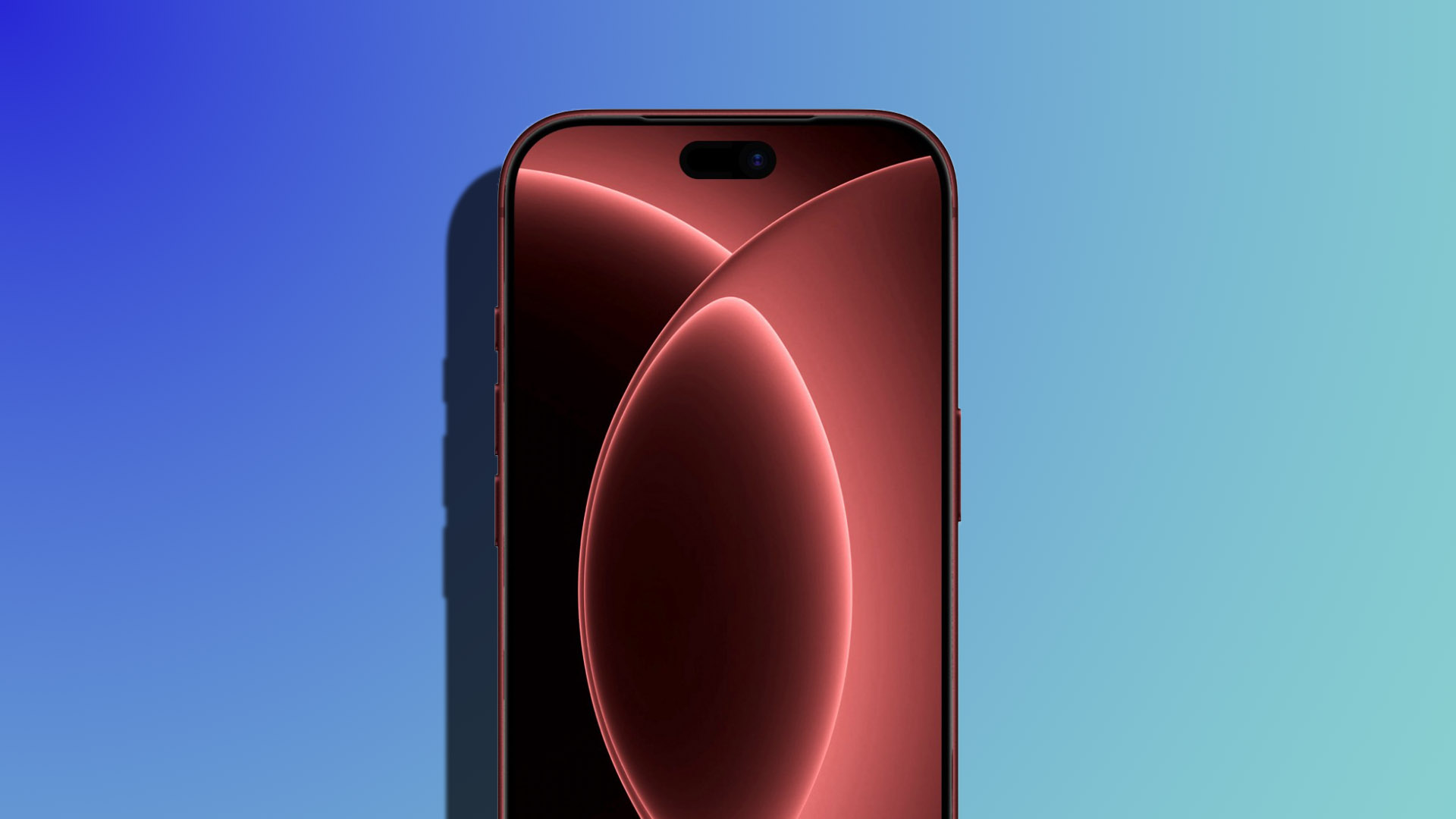
The iPhone 18 series is likely to retain familiar Apple design language but may introduce minor changes to the frame and overall proportions. These adjustments could be aimed at improving ergonomics or material quality without disrupting the established aesthetic that users have come to expect from Apple's flagship devices.
Key Specifications
- Display: Likely 6.1-inch Super Retina XDR OLED, 2532 x 1170 resolution, Ceramic Shield front, True Tone, HDR display (up to 2000 nits peak brightness).
- Chip: Probable A18 Pro chipset with 4nm process, 6-core CPU (2 performance + 4 efficiency cores), GPU with up to 10-core configuration, Neural Engine.
- Memory: 8GB unified memory (LPDDR5X).
- Storage: Options expected: 128GB, 256GB, 512GB base models; Pro models likely with 256GB, 512GB, 1TB.
- Cameras: Dual 12MP wide (f/1.9) and ultra-wide (f/2.4), 12MP front camera (f/1.9).
- Battery: Estimated capacity: 3,075mAh for standard models; Pro Max possibly up to 4,380mAh.
- Connectivity: 5G (sub-6GHz, mmWave), Wi-Fi 6E, Bluetooth 5.4, UWB support, eSIM dual SIM.
The hardware specifications suggest a continuation of Apple's focus on performance and efficiency. The A18 Pro chipset, if confirmed, would likely deliver significant improvements in processing power while maintaining energy efficiency—a critical factor for IT teams managing device fleets. The battery life estimates indicate that Apple remains committed to balancing power consumption with real-world usage demands.
What This Means for Upgrades
For IT professionals evaluating upgrade cycles, the iPhone 18 series may offer a compelling mid-cycle refresh option. The subtle design changes could extend the shelf life of existing devices while incorporating incremental improvements in performance and camera capabilities. However, the lack of major structural overhauls might limit its appeal for organizations seeking more drastic hardware advancements.
Availability is not yet confirmed, but industry trends suggest a potential release window in late 2024 or early 2025, aligning with Apple's typical product launch cadence. Pricing details are also expected to follow the established iPhone pricing model, though exact figures remain speculative at this stage.
Looking ahead, the iPhone 18 series could set a new benchmark for incremental innovation in smartphone design. If this trend continues, future iterations may focus more on software integration and ecosystem enhancements rather than hardware revolutions—a shift that could redefine how IT teams approach device lifecycle management.