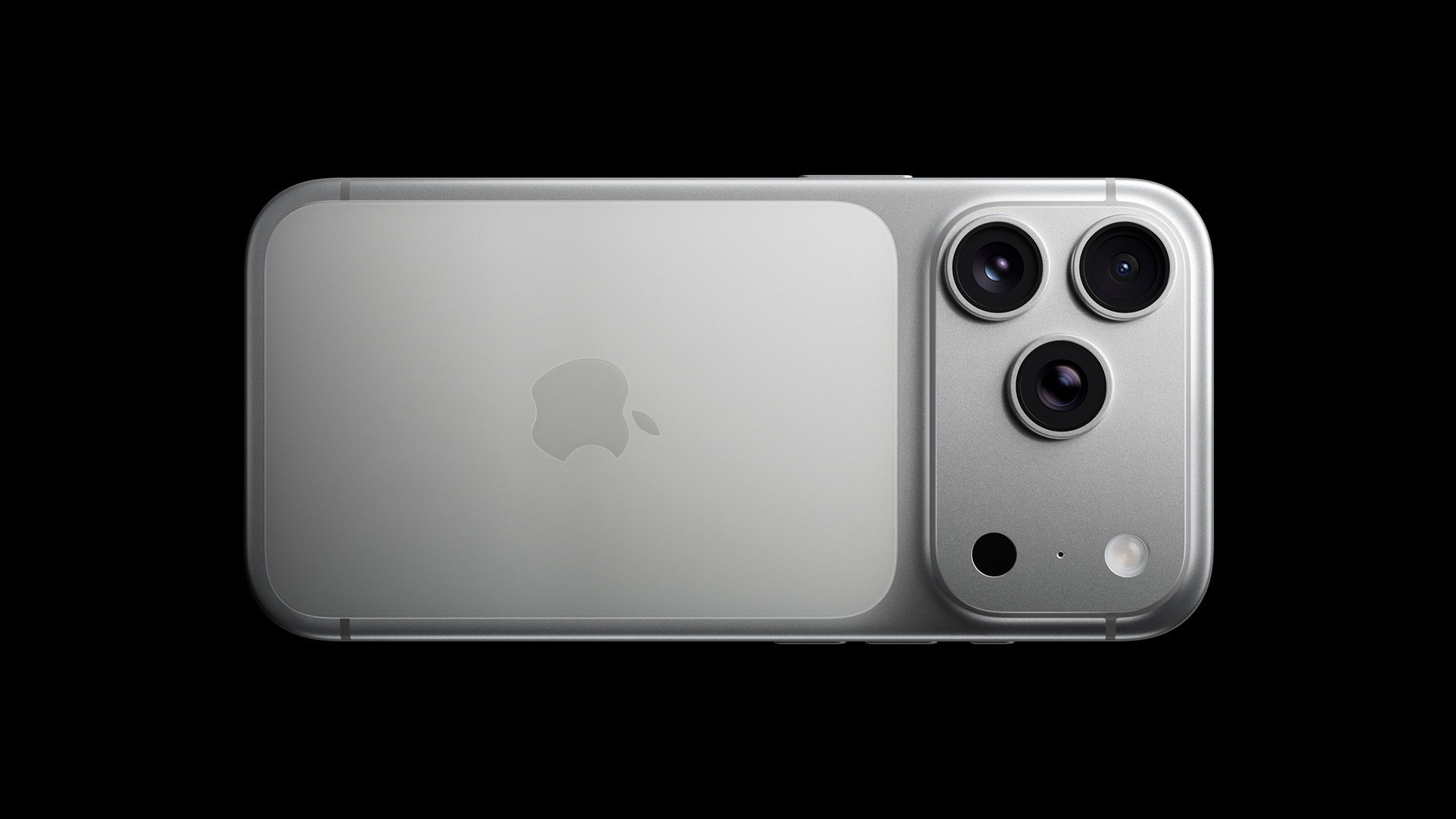
A new era of smartphones is unfolding at the high end of the market, where Apple’s upcoming foldable iPhone is poised to make its debut. Priced at $2,325, this device is not just another addition to Apple’s lineup—it represents a calculated bet on the future of mobile computing.
Unlike traditional smartphones, the iPhone Fold introduces a larger 7.8-inch display that can be folded in half, transforming from a compact phone to a tablet-like experience when unfolded. This dual-mode functionality is designed to cater to users who demand both portability and productivity on the go. The target of 20 million units in sales suggests confidence in this bold direction, even as it pushes the boundaries of what consumers are willing to pay for a premium device.
The engineering behind this device is a study in tradeoffs. Apple has opted for a design that prioritizes flexibility and screen real estate over traditional form factors. The foldable mechanism itself is a critical component, requiring precise engineering to ensure durability while maintaining the sleek aesthetics Apple is known for. This approach is likely to appeal to professionals who rely on larger screens for productivity but still need the convenience of a pocket-sized device.
For developers, this new form factor opens up possibilities for optimizing applications and workflows that take advantage of the expanded screen real estate. The challenge will be balancing performance with battery life, as larger displays typically consume more power. Apple’s reputation for refining hardware and software integration suggests they are well-positioned to address these challenges effectively.
The iPhone Fold is expected to enter the market at a time when other tech giants are also exploring foldable designs, creating a competitive landscape where innovation drives differentiation. For enterprise users, this device could become a staple in environments where mobility and productivity intersect, such as in business travel or remote work setups.
Looking ahead, the success of this device will hinge on its ability to justify its premium price point while delivering real-world performance that meets the demands of power users. If it achieves its sales target, it could set a new benchmark for what consumers expect from high-end smartphones, blending cutting-edge design with practical functionality in a way that resonates with both individual and business users alike.