Bohemia’s muddy roads, its bloodstained taverns, and its unforgiving laws have claimed another record: Kingdom Come: Deliverance 2 has now sold over five million copies since its launch last year, a milestone that underscores the game’s staying power in an era where player expectations shift rapidly.
The announcement, framed as a tribute to its community, reflects a stark contrast to its predecessor. The original Kingdom Come: Deliverance sold roughly two million copies in its first year, a figure that took years to double. Deliverance 2, by contrast, has not only matched that total in months but surpassed it by more than double—without the benefit of a major marketing blitz or publisher backing. Its success isn’t just numerical; it’s a testament to how deeply the game resonates with players who crave authenticity over accessibility.
Why It Stands Out
The game’s design philosophy—rooted in historical fidelity, consequence-driven gameplay, and a refusal to soften the harshness of its world—has earned it accolades beyond sales figures. Major outlets named it Game of the Year for 2025, a rare honor for a title that demands patience and respect from its players. Unlike many RPGs that prioritize streamlined progression or polished hand-holding, Deliverance 2 thrives on the weight of its choices: a misplaced gambeson can mean death in the mud; a poorly negotiated debt can ruin a merchant’s reputation permanently.
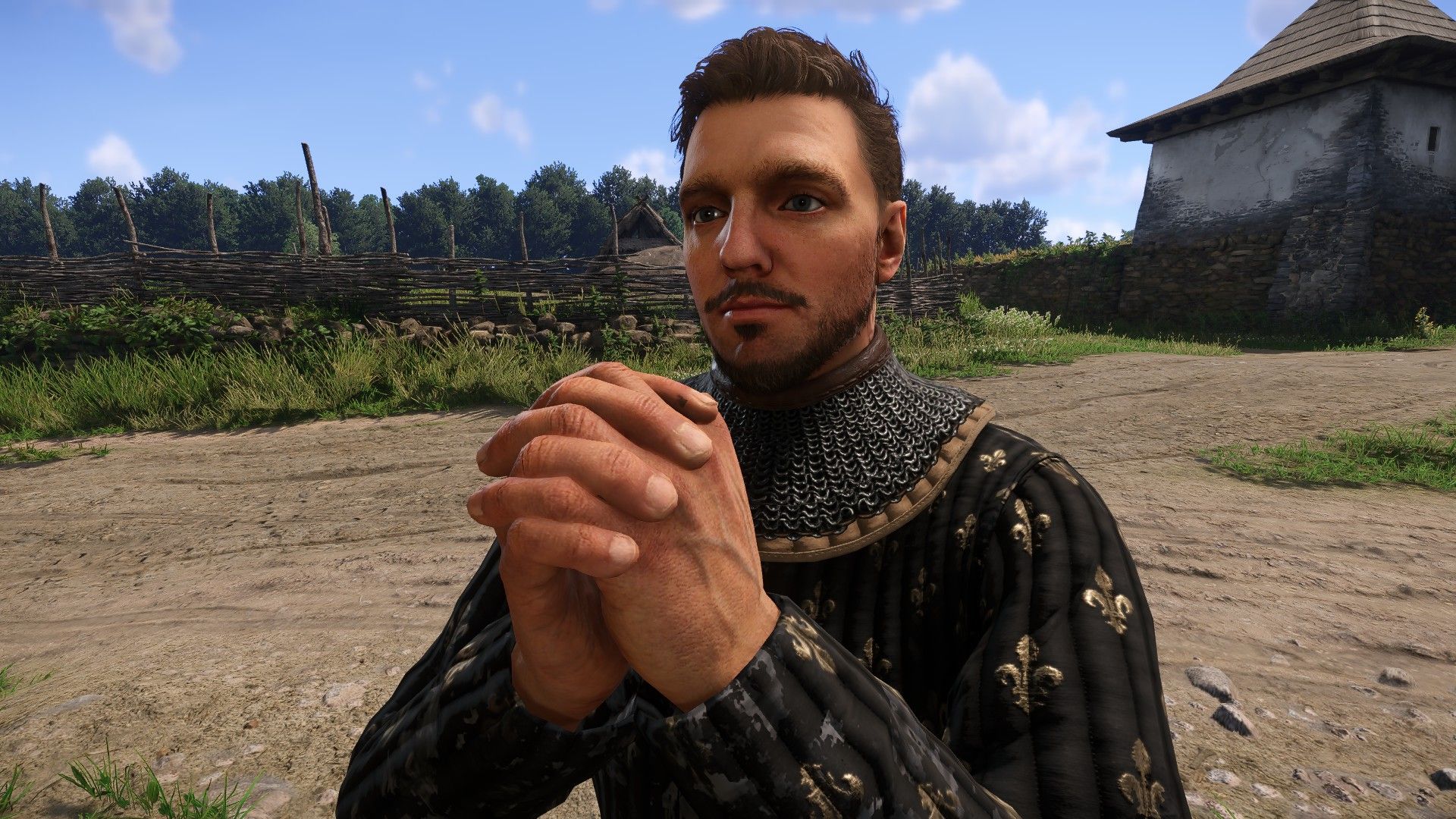
Warhorse Studios’ co-founder has described this approach as part of a broader shift in gaming, where audiences increasingly favor titles that treat players as adults rather than guiding them through scripted paths. The result is a game that feels alive—not just in its open world, but in the way it challenges players to adapt, fail, and persist. For many, that’s a refreshing alternative to the sanitized experiences that dominate modern gaming.
A New Standard for Medieval RPGs
The five-million-player milestone isn’t just a sales achievement; it’s a validation of the game’s design ethos. Bohemia’s world isn’t just a backdrop for quests—it’s a living, breathing entity where every decision carries weight. Whether it’s the consequences of stealing from a noble or the toll of a poorly managed wound, the game enforces a level of realism that few titles dare to match.
Yet, its appeal isn’t limited to hardcore fans. The game’s accessibility features, like customizable difficulty and multiple playable characters, ensure that newcomers aren’t left struggling to keep up. This balance—between uncompromising realism and inclusive design—has helped it carve out a niche that’s both devoted and growing. With no signs of slowing down, Deliverance 2 may well redefine what it means to build a world where players don’t just visit, but truly live.