For businesses and tech enthusiasts eyeing high-performance Lenovo systems, the clock is ticking. The company’s latest repricing directive isn’t just another corporate adjustment—it’s a clear signal that the DDR5 memory market has entered uncharted territory. A 32GB DDR5 kit, once a high-end but manageable upgrade, now sits at $500 and could see sharp increases if Lenovo’s internal deadlines aren’t met. The repricing isn’t just about profit margins; it’s a reflection of a global DRAM crunch where supply chains, AI-driven demand, and even geopolitical factors are colliding.
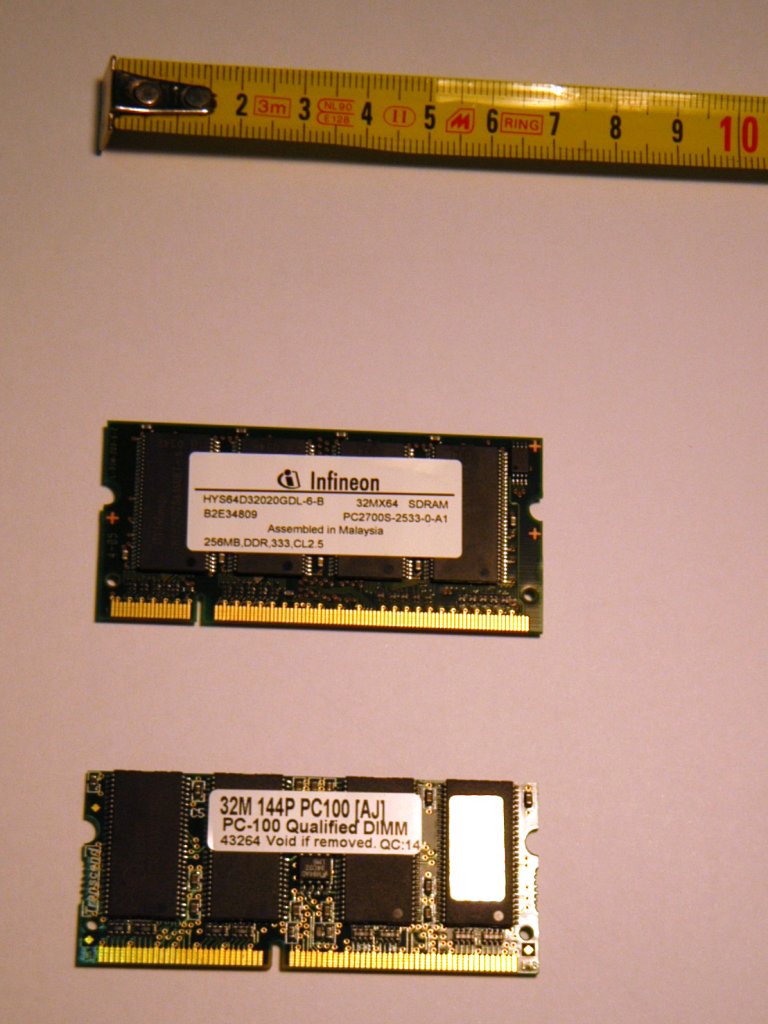
DDR5 explained: DDR5 is the latest standard for RAM, offering faster speeds and higher efficiency than its DDR4 predecessor. But its production relies on volatile DRAM chips, which have become a bottleneck as data centers and AI workloads consume memory at unprecedented rates.
The repricing rules are simple but brutal for resellers. Orders placed by February 25 are grandfathered in, but anything after that risks being reassessed at higher prices—regardless of when it ships. Lenovo’s Intelligent Devices Group (IDG) is leading the charge, with Infrastructure Solutions Group (ISG) following suit for select products. The message is unmistakable: the company is no longer willing to absorb DRAM cost fluctuations indefinitely.
Why now? The timing aligns with a broader industry reckoning. DRAM prices, once stabilized by Chinese manufacturers, have surged as global foundries struggle to keep up with demand. Samsung’s recent rebound in market share—after years of decline—highlights how tightly controlled the DRAM market has become. Meanwhile, Chinese RAM, once a budget-friendly alternative, now commands prices on par with global leaders, eliminating any cost advantage.
For distributors, the repricing policy creates a high-stakes gamble. One anonymous executive described the situation as a ‘domino effect’: delay an order, and the cost could balloon overnight. Lenovo’s internal platform now limits price quotes to just 14 days, while external quotes are capped at 30—a drastic reduction from past flexibility. The pressure to act fast isn’t just about avoiding higher prices; it’s about securing inventory before Lenovo’s systems automatically reprice deals.
What does this mean for buyers? The repricing could push the cost of high-end configurations—particularly those with 32GB or more of DDR5—even higher. For businesses planning bulk purchases, the window to lock in current rates is closing. Consumers may also feel the pinch, as OEMs pass along costs to meet rising component prices. The broader trend is clear: memory is no longer a commodity. It’s a premium component, and its price is now tied to the whims of AI demand, geopolitical tensions, and manufacturing bottlenecks.
Lenovo’s move is a wake-up call. The days of treating RAM as a static cost are over. For anyone relying on DDR5-powered systems, the time to act is before February 25. After that, the repricing could turn a $500 upgrade into a much steeper investment—and there’s no guarantee the increases will stop there.