The moment you open the MacBook Neo, the weight feels lighter than expected—a 2.7-pound aluminum chassis that belies its strength. This is not just a slim notebook; it’s Apple’s latest attempt to redefine what an affordable laptop can deliver without sacrificing core performance. The A18 Pro inside, though binned with a 5-core GPU instead of the 6-core version in iPhones, still outperforms older MacBook models in key benchmarks, raising questions about whether this is merely a cost-saving measure or a genuine step forward.
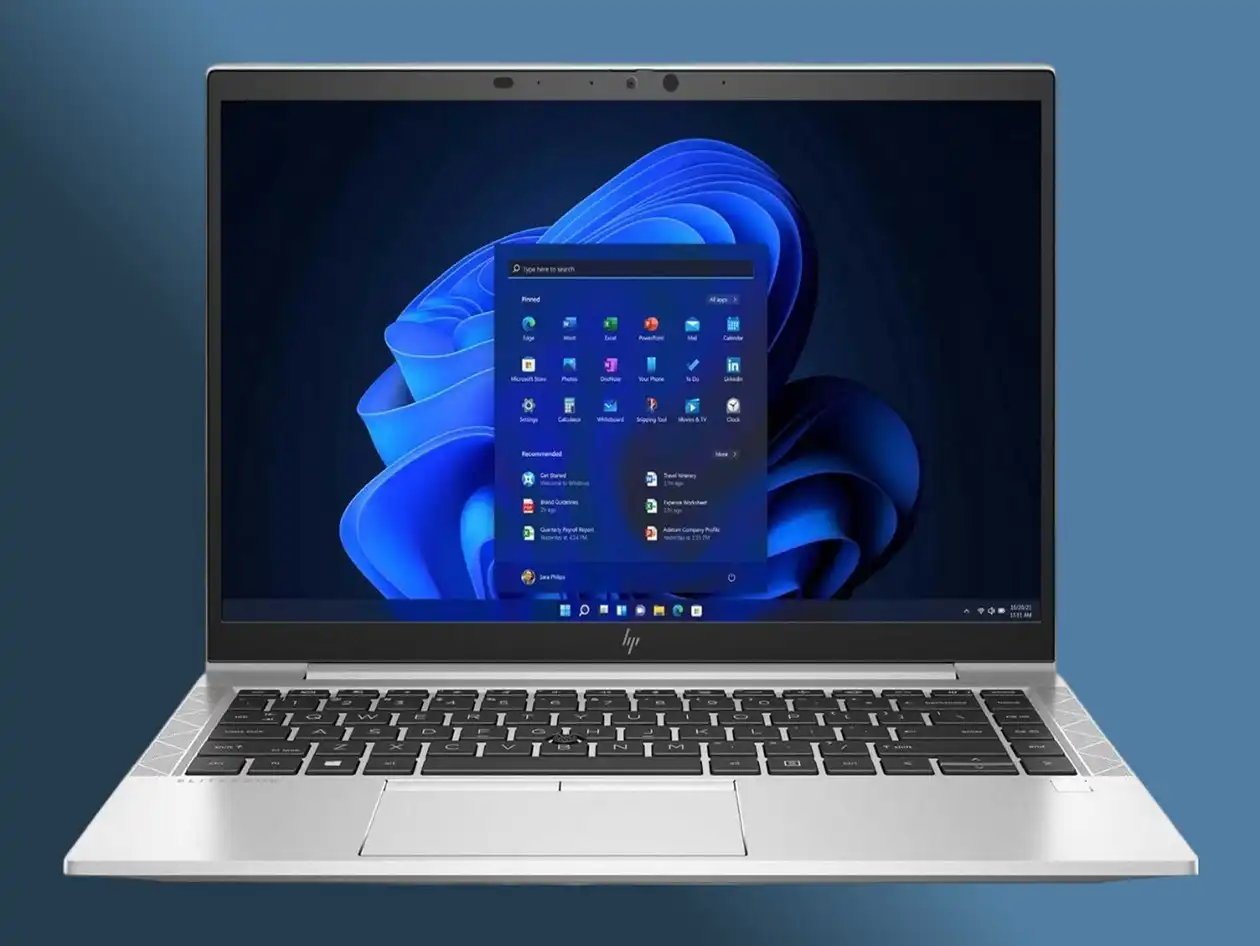
For PC builders and users accustomed to balancing power and price, the MacBook Neo’s specs are a mixed bag. On one hand, it inherits Apple’s signature build quality—unibody aluminum construction that reduces material waste without adding bulk. The 13-inch IPS LCD display, though not as vibrant as higher-end models with P3 color support, delivers 2,408 x 1,506 resolution and a solid 500 nits brightness. On the other, it skips features like True Tone and Center Stage, opting for practicality over premium extras.
Performance: Where the A18 Pro Shines (and Stumbles)
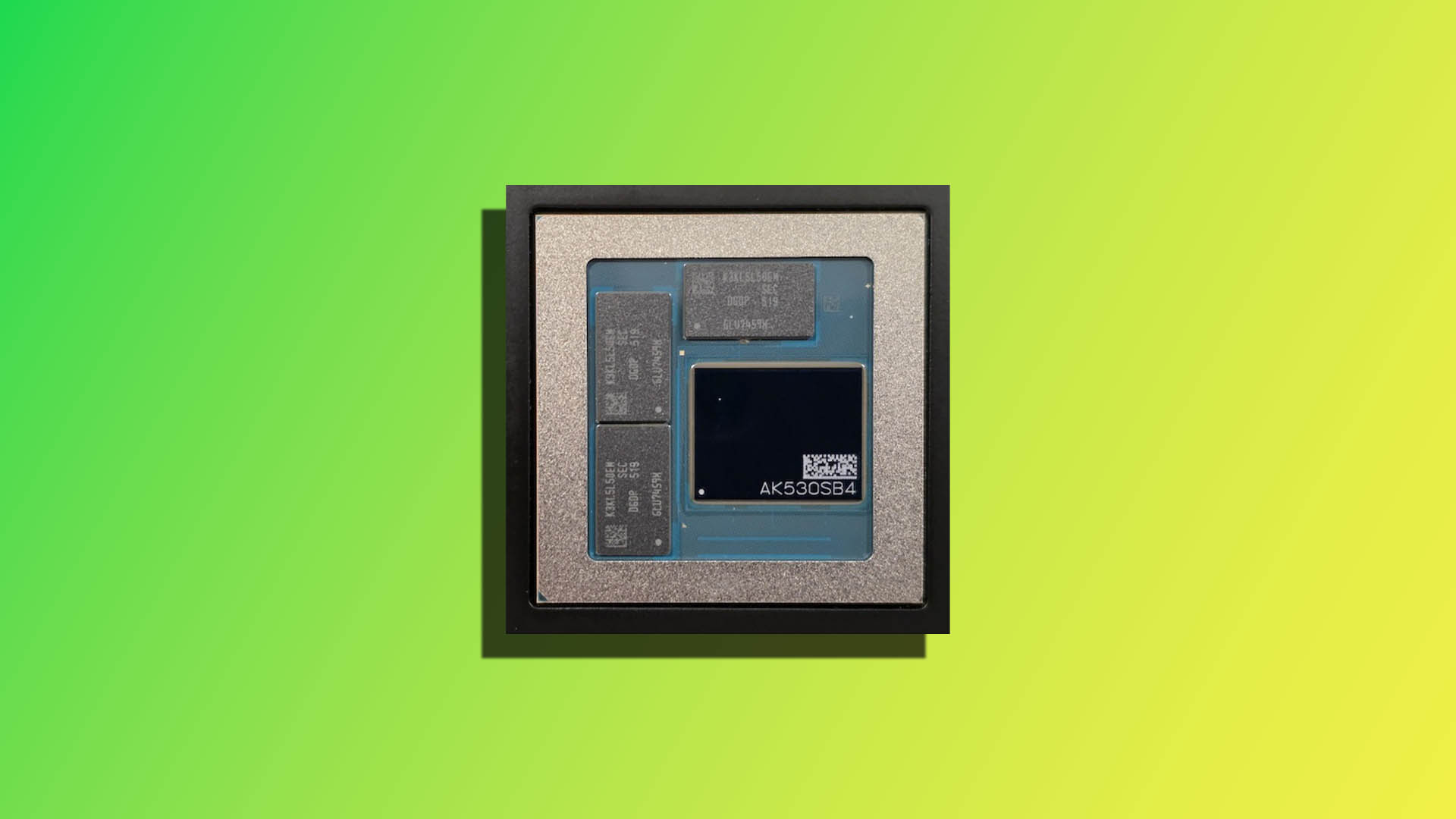
The MacBook Neo’s performance hinges on its chipset. The A18 Pro, shared with iPhone 16 models but with a reduced GPU core count, still holds its ground in benchmarks. Single-core scores reach 3,450—43% faster than the M1 MacBook Air—a notable leap for users who need raw processing power without the premium price tag. However, the multi-core performance edges out the iPhone 16 Pro Max by just 2.7%, suggesting that while the chip is efficient, it’s not a game-changer for heavy workloads.
This becomes clearer when comparing it to the M1 MacBook Air. The A18 Pro trails in GPU performance (31,286 vs. 35,194), but its CPU gains mean it could be more suitable for everyday tasks like web browsing or light content creation. For PC builders, this implies a trade-off: strong efficiency gains without the premium cost, but with limitations on high-end graphics tasks.

Specs in Context: What’s Worth It?
- Chipset: A18 Pro (5-core GPU, 6-core CPU)
- Memory: 8GB LPDDR5X (fixed, no upgrade path)
- Storage: 256GB or 512GB (Touch ID included with higher tier)
- Display: 13-inch IPS LCD, 2,408 x 1,506 resolution
- Battery: 36Wh, up to 16 hours video streaming
- Ports: Two USB-C (one 10Gb/s, one 480Mb/s), 3.5mm audio jack
- Connectivity: Wi-Fi 6E, Bluetooth 6
The fixed 8GB RAM is a notable limitation, tied to the A18 Pro’s InFO-POP design, which integrates memory into the chip package—making upgrades impossible. This could be a dealbreaker for users who rely on multitasking or memory-intensive applications. However, for students or professionals whose workflows don’t demand excessive RAM, this may not be an issue.
Connectivity is another area where compromises are made. The lack of Apple’s custom N1 chip means Wi-Fi 6E is the best available, which is sufficient but not cutting-edge. The dual USB-C ports also introduce a quirk: one supports 10Gb/s (for 4K external displays), while the other maxes out at 480Mb/s—a warning appears if you attempt to use it for high-bandwidth tasks.
Who Benefits, and Who Should Skip?
The MacBook Neo’s value proposition is clearest for users who prioritize efficiency and portability over premium features. Its battery life—up to 16 hours for video streaming—matches or exceeds many higher-priced models, making it ideal for students or professionals on the go. The unibody aluminum build, while not as lightweight as some competitors, offers durability that aligns with Apple’s reputation.
However, enthusiasts and PC builders may find its limitations frustrating. The lack of a 6-core GPU, fixed RAM, and missing premium features like True Tone or Center Stage could make it feel like a stripped-down version of more capable models. For those who need raw power for tasks like video editing or gaming, the M5 MacBook Air might still be the better choice despite its higher price.
The $599 starting price is aggressive, but availability remains a question. If past Apple product cycles are any indication, pre-orders may open soon, with color options including Silver, Indigo, Blush, and Citrus. Whether this model will see a successor in 2027—rumored to include a touchscreen—remains speculative, but the current design already pushes boundaries for what an affordable Apple laptop can achieve.