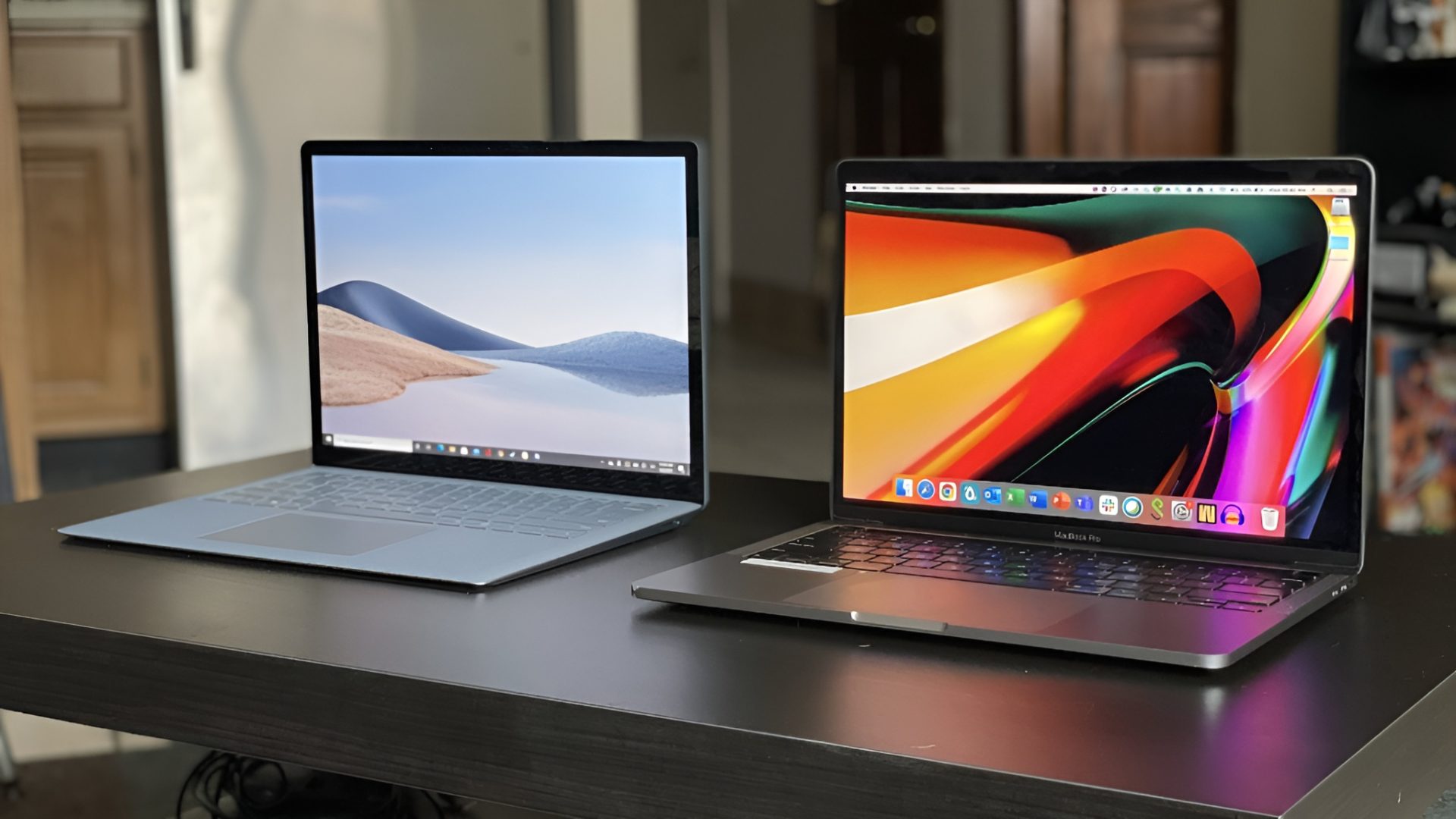
In the competitive premium laptop market, Apple’s MacBook line is maintaining a strong position, but Microsoft’s Surface devices are becoming noticeably more expensive. The latest price adjustments from both companies highlight a clear divide: Apple remains consistent with its entry-level pricing, while Microsoft has taken a more aggressive approach with its Surface lineup.
This trend could reshape enterprise buying decisions, as businesses weigh the balance between cost and performance. For those prioritizing long-term reliability and software consistency, Apple’s approach offers stability without sacrificing quality. Meanwhile, Microsoft’s higher price points may appeal to enterprises that need more flexibility in hardware configurations or Windows compatibility.
Specs and strategy
- The MacBook Air 13-inch starts at $999, unchanged from previous generations.
- The MacBook Pro 14-inch begins around $1,599.
- The Surface Laptop 5 now starts at $1,099 for a base configuration with 8 GB of RAM and 256 GB storage, up from earlier models.
- Higher-end Surface Pro configurations can exceed $2,500.
This pricing dynamic reflects more than just sticker shock—it’s about what each platform delivers. Apple’s MacBook lineup is known for its build quality, battery life, and seamless macOS integration. Microsoft’s Surface devices have expanded their feature set but at a cost that may not always justify the premium for enterprise users.
Who benefits—and who should consider alternatives?
For businesses that value long-term reliability and software consistency, Apple’s pricing stability is a strong selling point. The MacBook Air remains a compelling choice for those seeking performance, affordability, and ecosystem integration without compromising on build quality.
Microsoft’s Surface lineup may appeal to enterprises that require more hardware flexibility or prioritize Windows compatibility. However, buyers must carefully assess whether the added features justify the higher price point, especially when compared to Apple’s offerings.
As both companies continue to refine their product lines, this pricing gap will likely influence how enterprises approach future-proofing. For now, buyers face a clear choice: opt for Apple’s stability and value or explore Microsoft’s Surface options if Windows integration is essential.