The demand for portable yet powerful computing solutions has outgrown traditional external GPU designs, forcing manufacturers to innovate beyond USB4 and Thunderbolt limitations. Enter GPD's MCIO 8i interface—a radical departure that leverages PCIe 5.0 bandwidth to bridge the gap between high-end GPUs like the RTX 4090 and compact systems with minimal performance compromise.
Today, GPD introduces its Box mini PC and G2 eGPU enclosure, both equipped with the MCIO 8i port. This isn't an incremental upgrade; it's a direct challenge to the status quo of external GPU connectivity. The interface delivers up to 512 Gbps in bidirectional bandwidth, dwarfing what USB4 or even Thunderbolt 5 can achieve. Yet, its server-centric design raises valid concerns about longevity under the mechanical stress of daily consumer use.
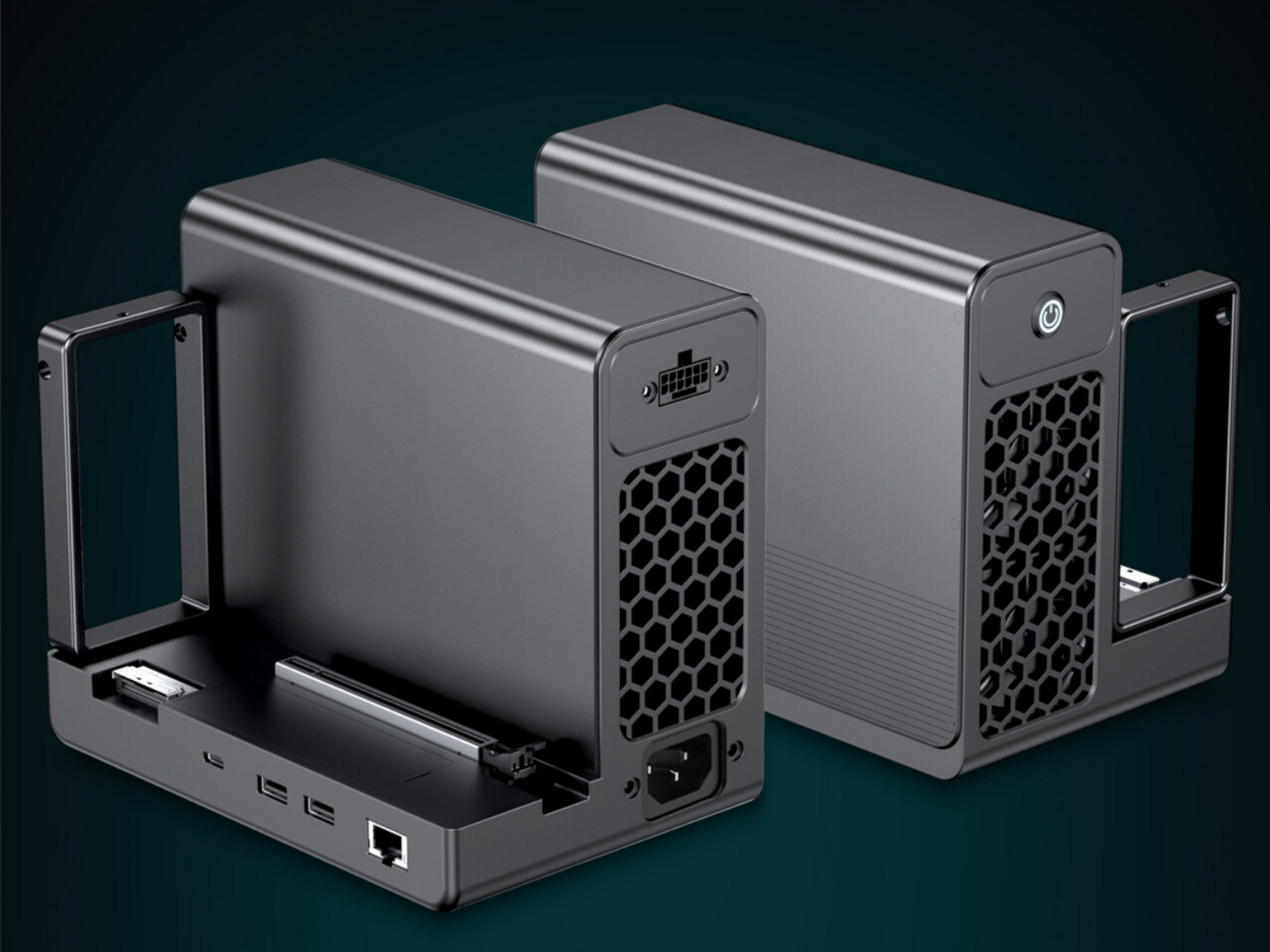
- MCIO 8i Port: PCIe 5.0 ×8 bandwidth (256 Gbps bidirectional on Gen 5), optimized for high-performance GPU connectivity without significant performance loss.
- GPD Box Mini PC: Panther Lake-based, featuring dual USB Type-A and Type-C ports, HDMI/DP display outputs, front audio jack, and dual Ethernet ports for robust connectivity.
- G2 eGPU Enclosure: Supports RTX 4090 with a claimed 2% performance loss; includes dual USB Type-A ports, a USB4 port with 100 W power delivery, and an internal PCIe SSD expansion slot. The enclosure also houses its own on-board PSU for the GPU.
The potential impact for users is undeniable. For the first time, external GPUs can offer near-seamless performance—whether for high-refresh-rate gaming or AI workloads. The G2 enclosure's built-in power supply and SSD slot add practical advantages, though specifics on how it handles the RTX 4090's power requirements remain unclear.
However, the path to widespread adoption isn't without hurdles. While MCIO 8i theoretically supports full PCIe 5.0 bandwidth, its durability in consumer-grade devices hasn't been rigorously tested yet. The industry is moving toward higher-bandwidth external connectivity, but users must carefully weigh theoretical performance against real-world reliability before committing to this new standard.
For small businesses or content creators who prioritize portability and power, MCIO 8i could push the boundaries of what's achievable in a compact setup. But for now, its success hinges on proving it can endure the demands of everyday use without succumbing to the very limitations it aims to overcome.