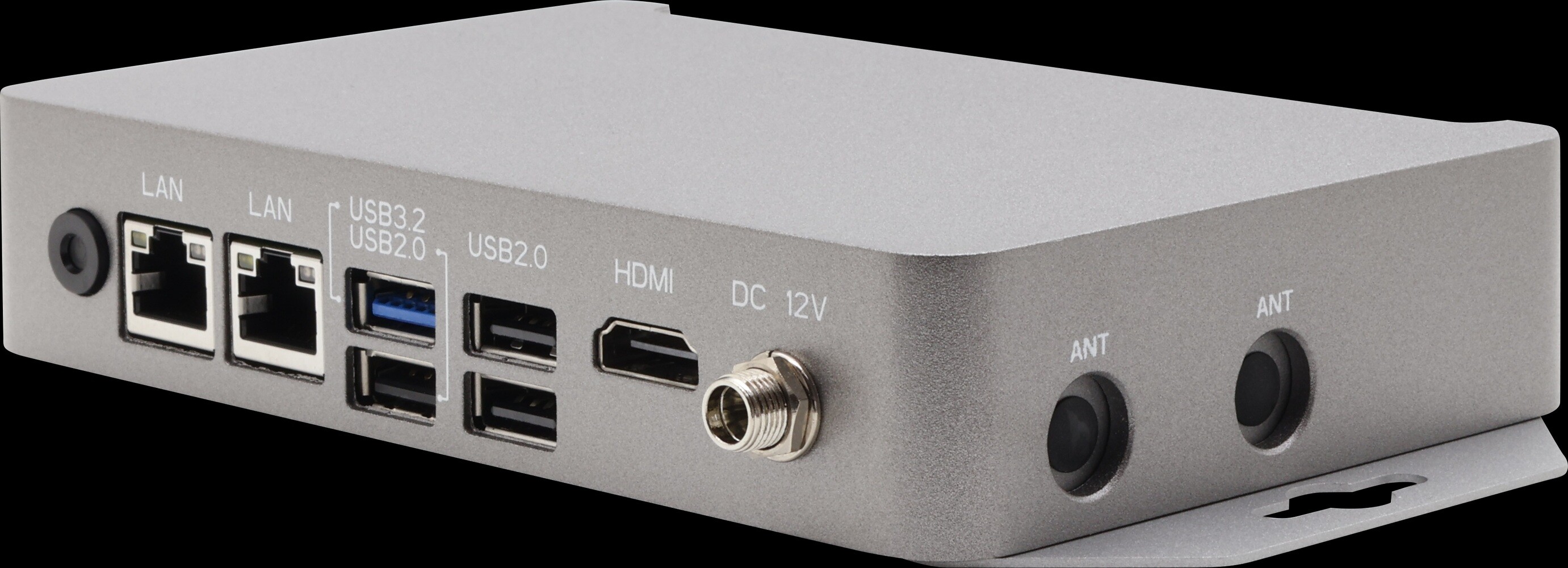
A mini PC that crams an Intel Core i5 processor, up to 32GB of DDR4 RAM, and Windows 11 Pro into a space smaller than a standard laptop has just hit the market at $459. It’s not the first time a compact device has packed serious specs, but this iteration pushes the envelope on how much performance can fit without bloating the price or the form factor.
The challenge for the engineering team was to squeeze high-end components into a chassis that measures just 102 x 79.5 x 46 mm while keeping thermal throttling in check. Traditional cooling methods—like larger heatsinks or dual-fan setups—would have either increased the footprint or drawn too much power, so they opted for a vapor-chamber-based solution paired with a low-noise fan that only spins up under load. The result is a machine that can sustain 4.8 GHz single-core turbo frequencies without overheating, a feat that usually requires more breathing room.
Windows 11 Pro adds another layer of complexity. The OS’s demand for RAM and storage means the system has to balance between performance and power draw, especially in a device meant for 24/7 operation. The included 32GB of DDR4-3200 RAM is overkill for most office tasks but necessary if you’re running virtual machines or heavy multitasking. Storage is a 1TB NVMe SSD, which is standard for this class of device, but the real innovation lies in how the system manages background processes to avoid slowdowns during long sessions.
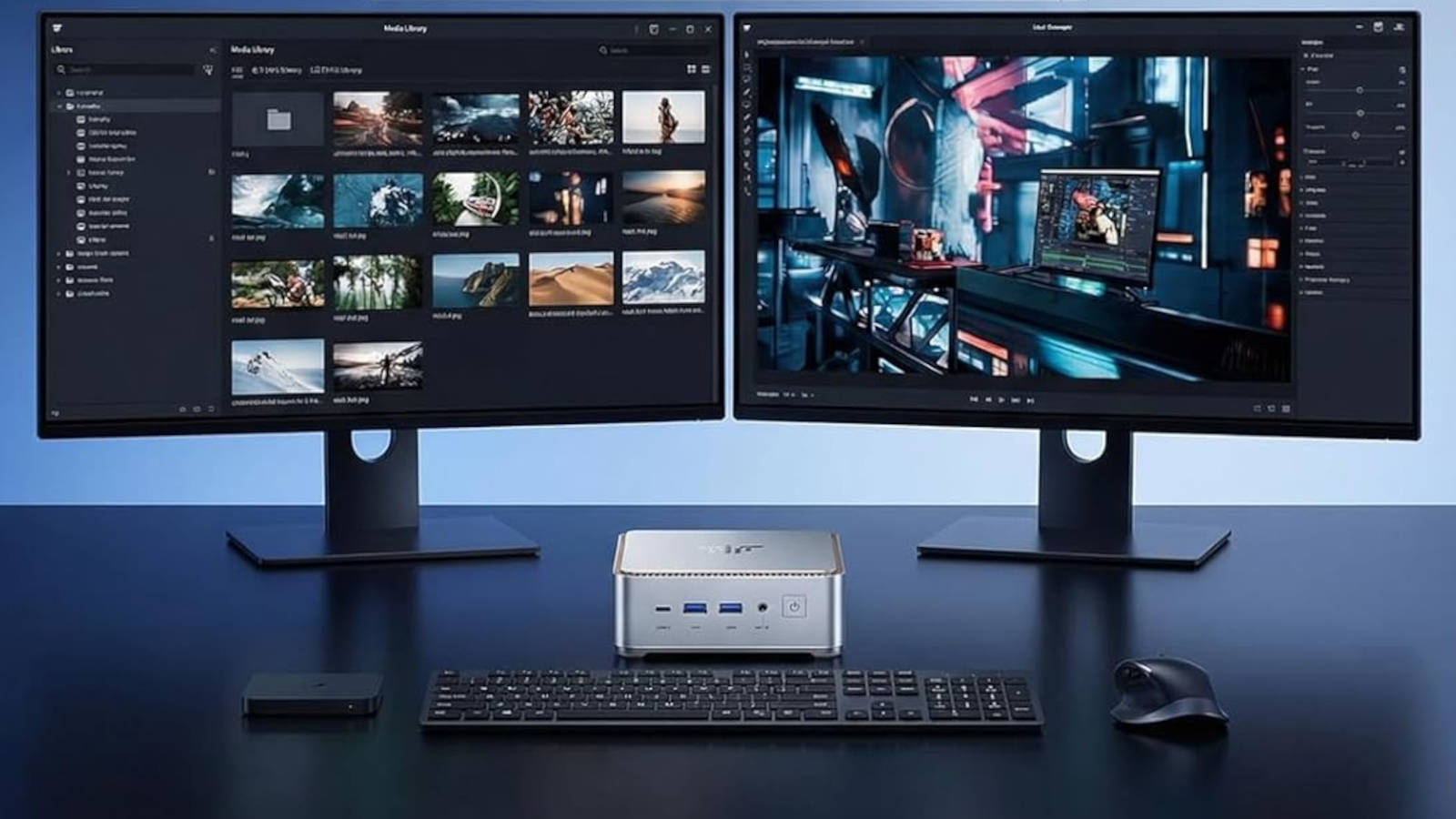
On paper, this mini PC looks like a workstation in disguise—capable of handling everything from video editing to server emulation—but the question is whether it can deliver that performance day after day without becoming a thermal bottleneck. Early reviews suggest it does, but only if you’re not pushing it into extreme workloads. For most IT teams, this means a machine that can double as a desktop replacement and a lightweight server without breaking a sweat.
Pricing at $459 puts it in direct competition with larger all-in-one desktops, which usually offer more upgrade paths but take up more space. The trade-off is clear: you gain portability and silent operation, but you lose the ability to swap in a GPU or add more RAM later. For environments where desk real estate is tight and power efficiency matters, this mini PC is a strong contender. It’s not a replacement for high-end workstations, but it redefines what’s possible when you’re constrained by size.
Where things stand now: Buyers who need a compact, silent, and capable machine for office or light server tasks should take another look at mini PCs. The engineering trade-offs are visible—thermal management is clever but not foolproof—but the performance-per-dollar ratio remains hard to beat in this segment.