MSI’s RTX 5090 Lightning Z, a GPU built for extreme performance, has suffered a critical setback after an experimental 2500 W BIOS caused permanent damage to its core components. The incident, confirmed through leaked firmware and overclocking tests, underscores the fragility of NVIDIA’s Blackwell architecture under extreme conditions—even with advanced cooling solutions.
The 2500 W BIOS, initially showcased at CES 2026 as an 'Extreme Performance OC' mode, was intended for professional overclockers. However, when tested with liquid nitrogen (LN2) cooling—a requirement for sustaining such high power levels—the GPU’s die cracked due to thermal stress. The failure is attributed to an outdated firmware version that may have delivered excessive voltage in a short period, overwhelming the GPU’s thermal management systems.
Jonathan Alva, an Indonesian overclocker who contributed to the Lightning Z’s development, reported the damage in a recent test. Despite using a custom LN2 setup in collaboration with ARX Labs, the GPU’s 'Blackwell' GB202-300-A1 die fractured, rendering the sample unusable. Alva continues to work with additional prototype and retail units but acknowledged the rarity of such failures under controlled conditions.
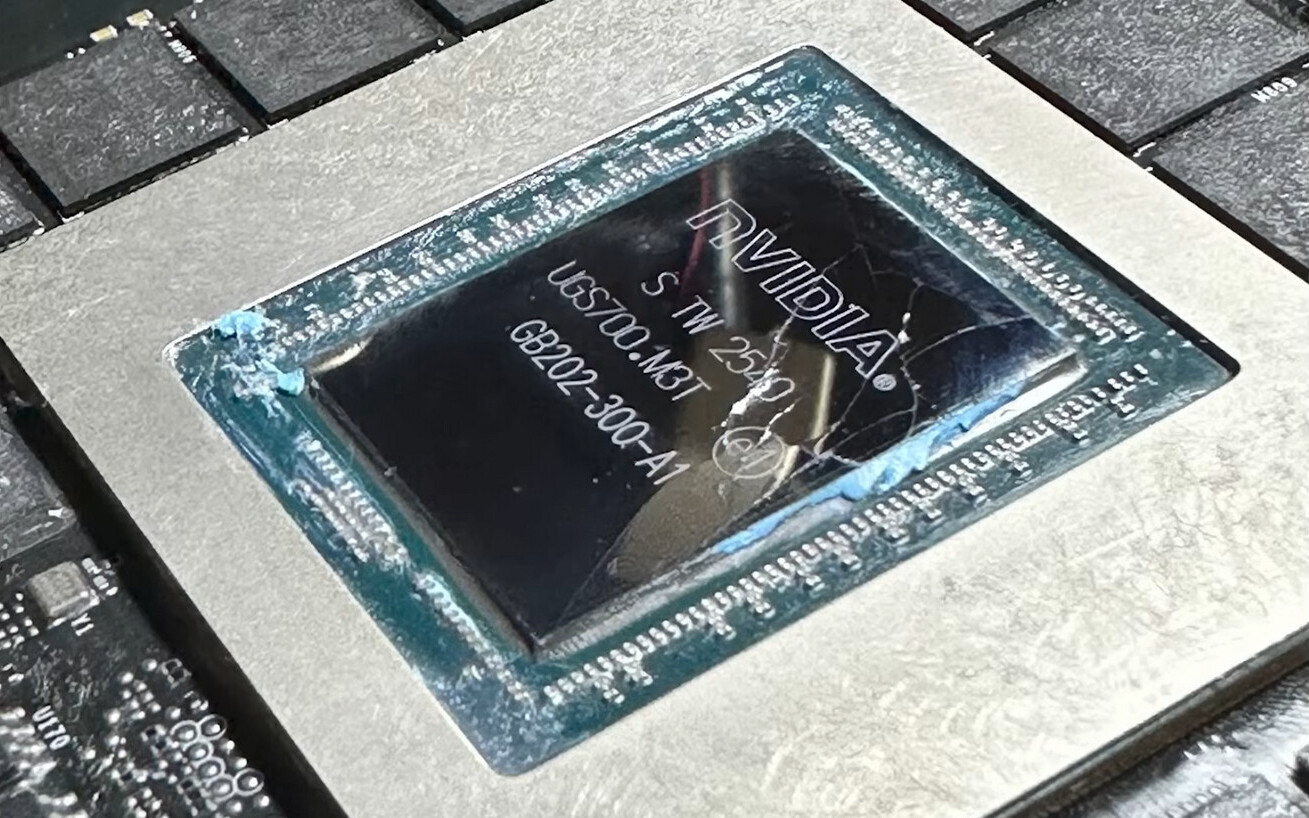
The RTX 5090 Lightning Z, priced at $5090, features an 800 W default power limit—sufficient for most users—but the 2500 W XOC mode demands specialized cooling. MSI’s design includes dual 12V-2x6 connectors and a 40-phase VRM, but the incident raises questions about the stability of extreme overclocking on Blackwell-based GPUs.
- The 2500 W BIOS, leaked after CES 2026, caused a GPU die fracture despite LN2 cooling.
- Thermal shock from firmware-induced voltage spikes is suspected as the cause.
- MSI retains additional prototypes and retail units for further testing.
- The RTX 5090 Lightning Z’s $5090 price and 800 W default limit cater to mainstream users, while extreme modes require expert handling.
While the damage is isolated to a single test unit, the incident serves as a cautionary tale for overclocking enthusiasts attempting to push NVIDIA’s latest architecture to its absolute limits.