A persistent hardware issue with MSI’s high-end GPUs has taken a troubling turn. The company’s yellow-tipped 16-pin power connectors—designed to prevent improper insertion—are reportedly popping out on their own after months of use, exposing the copper contacts and raising the risk of overheating and burnout. This problem, confirmed by multiple users, may finally explain why even properly seated connectors on GPUs like the RTX 5090, RTX 5080, and RX 9070 XT have been failing despite power limits as low as 500W.
- Root cause: MSI’s yellow-tipped 16-pin connectors loosening over time, with the yellow section becoming visible after just two months in some cases.
- Affected GPUs: RTX 5090, RTX 5080, RTX 5070 Ti, and AMD’s RX 9070 XT (12V-2x6 connector variant).
- Mechanism: Thermal cycling may cause the connector’s latch to weaken, allowing it to retract slowly.
- Impact: Exposed copper pins increase resistance, leading to localized overheating and eventual melting.
- Manufacturer response: MSI has labeled affected units as ‘defective,’ suggesting widespread potential for the issue.
- Power limits: Even GPUs with 500W–800W TDP requirements have shown connector failure.
- Timeline: Burnout typically occurs after months of use, with early signs like visible yellow tips.
The yellow-tipped connector was introduced as a safeguard—when fully inserted, the yellow portion should remain hidden. However, users are now finding the tip protruding after minimal use, indicating a design flaw in the latch mechanism. Once loose, the connector can be pushed back temporarily, but it continues to retract, creating an unreliable connection. This intermittent poor contact generates excess heat, accelerating the degradation seen in high-power GPUs like the RTX 5090, which can draw up to 2500W under extreme overclocking scenarios.
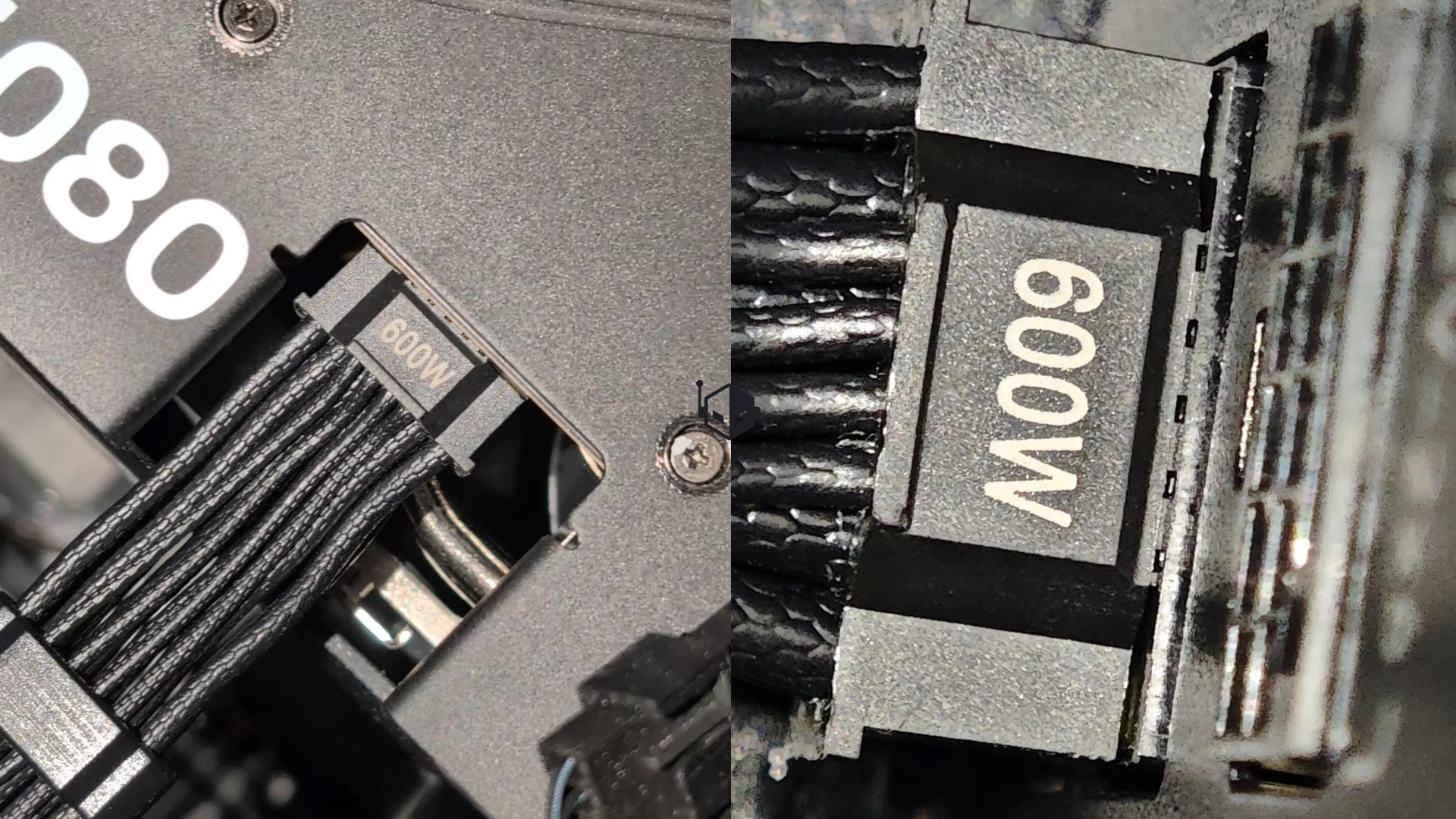
The issue extends beyond MSI’s own GPUs. The RTX 50 series and RX 9070 XT have both experienced connector melting, often localized to specific rows of pins. While manufacturers recommend fully seating the connector, the new reports suggest even a properly inserted connector can become unstable over time. The problem may also affect non-MSI GPUs using similar 16-pin designs, though MSI’s high-profile yellow-tipped variant has brought it into sharp focus.
For users already experiencing connector issues, the solution remains unclear. MSI has not issued a widespread recall or fix, though individual cases have been labeled defective. Until then, affected users are advised to monitor their connectors closely and consider alternative power delivery setups if possible. The broader implication, however, is a need for GPU manufacturers to re-examine connector reliability in high-power configurations, where even minor design oversights can lead to catastrophic failures.