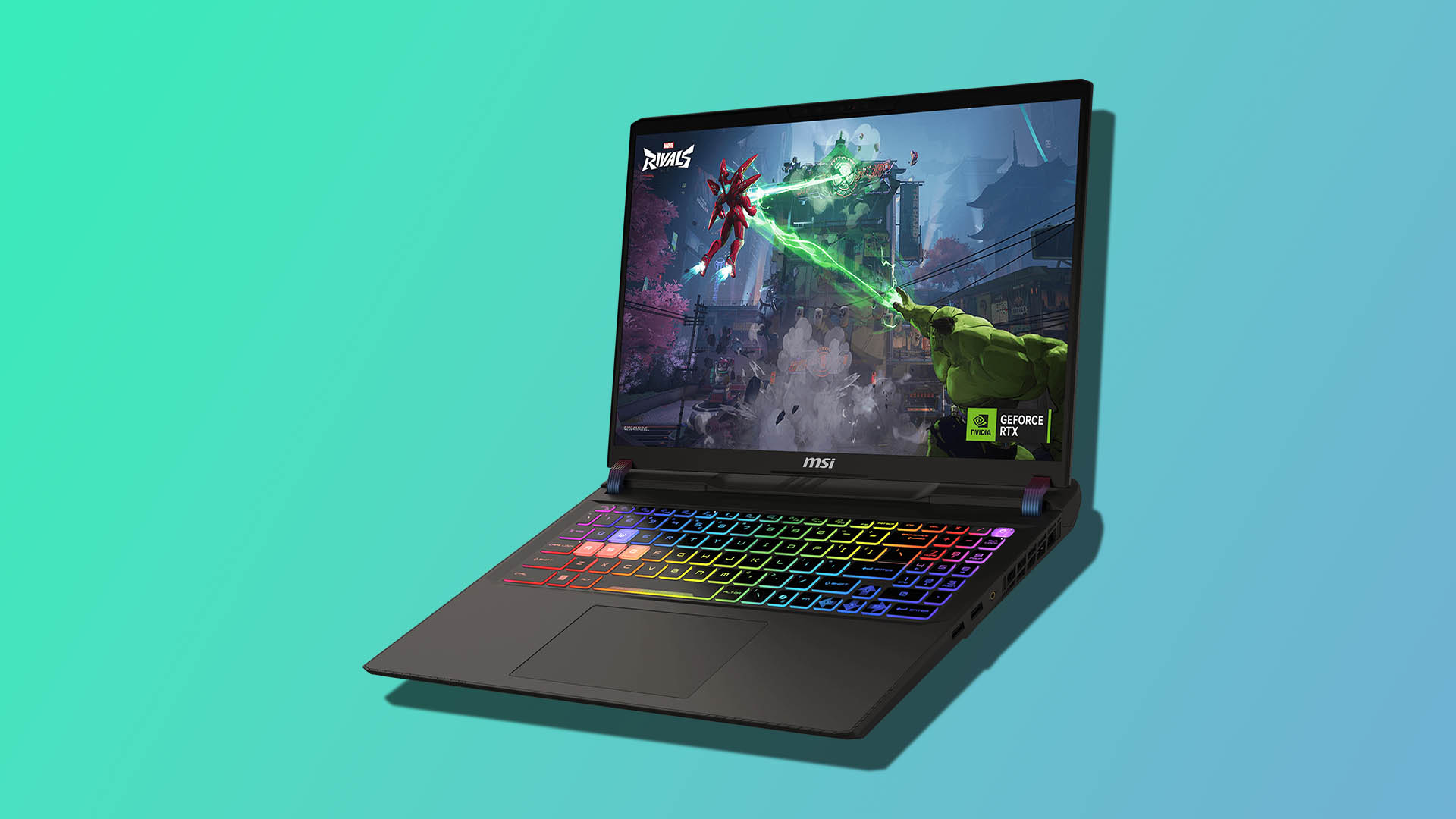
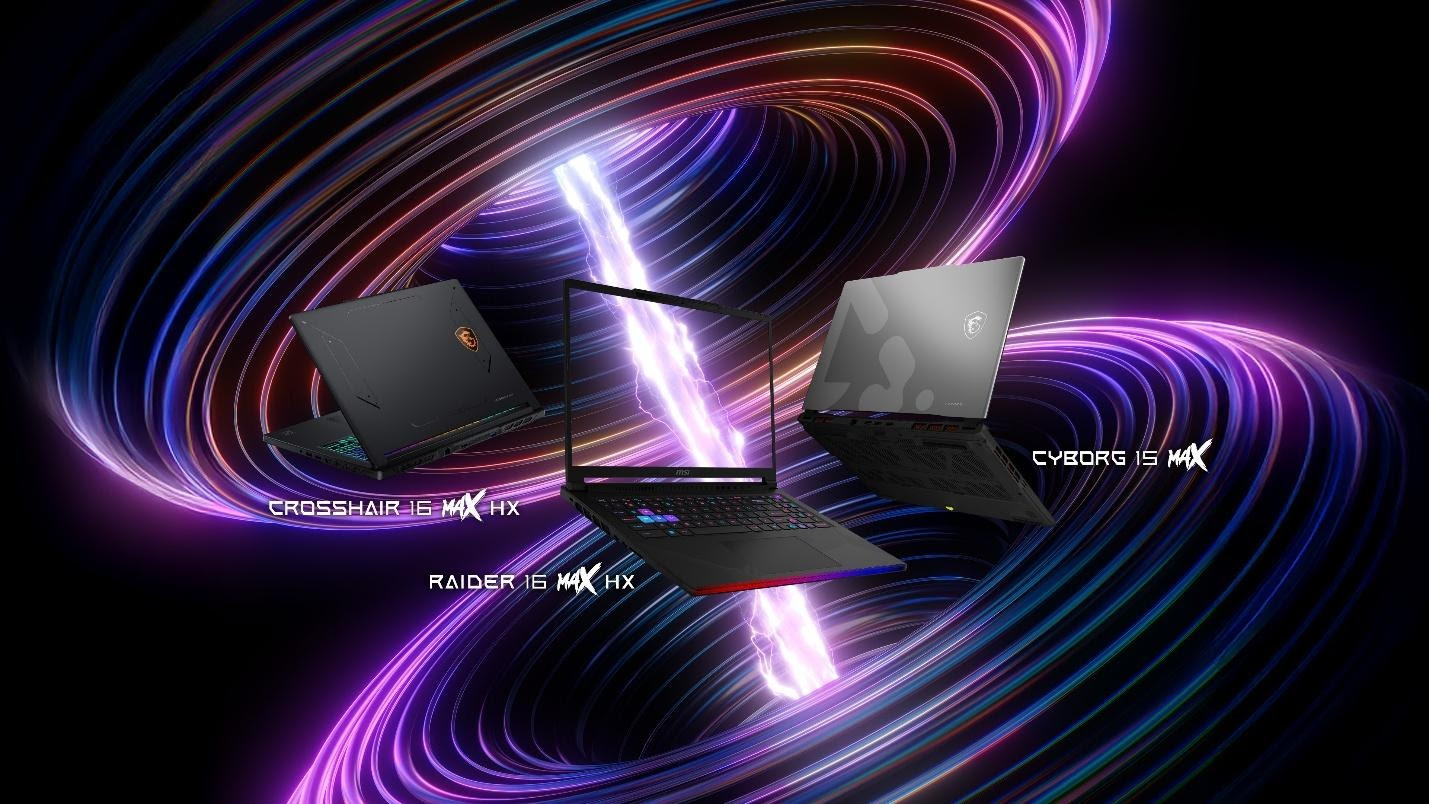
MSI has taken a bold step with its Raider 16 and Crosshair 16 laptops, cramming a 300-watt battery into a 16-inch frame—a feat that challenges conventional notions of power efficiency in portable devices. This isn’t just about raw numbers; it’s about redefining what’s possible when performance meets portability. The combination of an Intel Core Ultra 200HX processor and an NVIDIA RTX 5090 graphics card pushes these machines into a league where sustained workloads are the norm, not the exception.
The challenge lies in thermal management. A 300-watt battery in such a compact form factor means that heat dissipation becomes as critical as performance. MSI addresses this with dual-fan cooling systems and vapor chamber heat pipes, designed to balance intake and exhaust airflow. However, developers will quickly find that sustained workloads—such as compiling large codebases or rendering complex scenes—require careful monitoring of power limits to avoid throttling. The design is aggressive, but it’s not without its trade-offs.
Specs: A Closer Look at the Hardware
- Processor: Intel Core Ultra 200HX (16 cores, 32 threads)
- Graphics: NVIDIA RTX 5090 (16GB GDDR6)
- Memory: Up to 48GB DDR5-6000
- Storage: Up to 2TB PCIe 4.0 SSD
- Display: 16-inch, 3840×2160 (QHD+), 240Hz
- Power: 300W battery, 250W adapter
The specifications tell the story of a machine built for extremes. A 16-inch QHD+ display at 240Hz, paired with up to 48GB of DDR5 memory and 2TB of PCIe storage, offers a level of performance that’s hard to ignore. For developers, this means more headroom for demanding tasks, but it also means that thermals become a daily consideration. The dual-fan layout and vapor chamber help, but sustained workloads will still require attention to power draw to prevent overheating.
Who Stands to Gain?
These laptops are tailored for users who demand maximum performance in a portable form factor. Developers working on AI models or high-end graphics applications will find the RTX 5090’s 16GB of GDDR6 memory and the Core Ultra 200HX’s 32 threads invaluable. However, they’ll also need to manage power limits carefully to avoid thermal throttling. For everyday users, the 300-watt battery is overkill unless you’re running demanding workloads; most tasks will see shorter battery life than on a more efficient machine.
The Future: Can Efficiency Keep Up?
Right now, the Raider 16 and Crosshair 16 represent an extreme case of performance in a compact form. The question for the future isn’t just whether these laptops can run hotter workloads without overheating—it’s whether efficiency will catch up to power demands. As AI and real-time rendering become more common, the gap between what these machines can do and what they can handle without melting down may narrow. For now, though, buyers need to be ready for a tradeoff: more performance, but also more heat—and more attention to thermal management.