The RTX 5090 Lightning isn’t just another high-end GPU—it’s a statement piece. MSI’s flagship graphics card, built around Nvidia’s AD102 GPU, has become a symbol of both cutting-edge performance and market chaos. What was once a $1,599 launch price has ballooned to $15,000 on resale platforms, turning what was already an expensive component into a speculative investment for enthusiasts and crypto miners alike.
But here’s the catch: this isn’t just about raw power. The Lightning variant isn’t just a rebranded RTX 5090. It comes with custom cooling, premium build quality, and MSI’s signature aesthetics—features that, in theory, justify a premium. Yet, when a single GPU costs more than an entire Alienware gaming PC (which typically includes an RTX 4090 or equivalent), the math stops making sense for most buyers.
The question isn’t whether the RTX 5090 Lightning is powerful—it is. It’s whether the $15,000 price tag is sustainable, ethical, or even logical. For those unwilling to gamble on eBay’s black market, official retailers in regions like the UK are offering the card at a fraction of the cost—though even those prices remain steep.
The Lightning Strikes Twice—But at What Cost?
MSI’s RTX 5090 Lightning isn’t just a GPU; it’s a limited-edition powerhouse designed for extreme overclocking and high-end visuals. Key features include
- AD102 GPU: Same architecture as the standard RTX 5090, with 16,384 CUDA cores, 128 ROPs, and 512 Tensor cores—capable of pushing 82 TFLOPS of raw compute power.
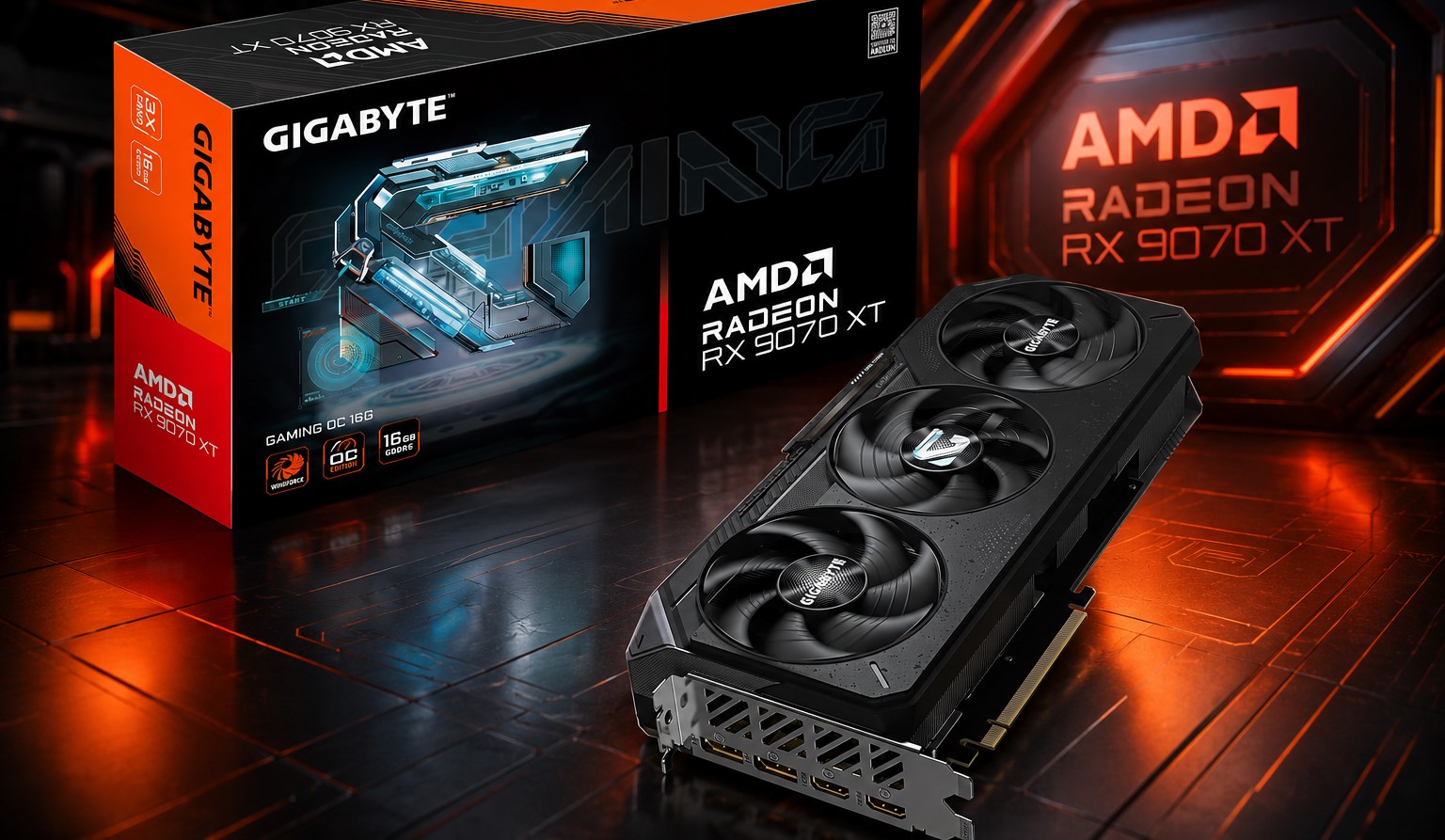
- Triple-fan cooling: A massive 3x fan design with TORX Fan 4.0 technology, promising sustained performance under heavy loads. The heatsink alone is a work of engineering, with vapor chamber cooling to dissipate heat efficiently.
- Premium build: Hand-finished black-and-gold aesthetic with nickel-plated components, setting it apart from standard reference designs.
- Overclocking potential: MSI’s Lightning branding isn’t just for show—this card is factory-overclocked out of the box, with boost clocks pushing beyond the standard RTX 5090’s limits.
- RGB lighting: Because no high-end GPU is complete without Mystic Light RGB, offering 16.8 million colors and customizable effects.
On paper, this is a dream machine for PC enthusiasts who demand both performance and style. But the real-world implications are far more complicated. A $15,000 GPU isn’t just expensive—it’s a financial gamble. Most buyers won’t recoup their investment unless they’re reselling to another speculator or a crypto miner willing to pay the premium.
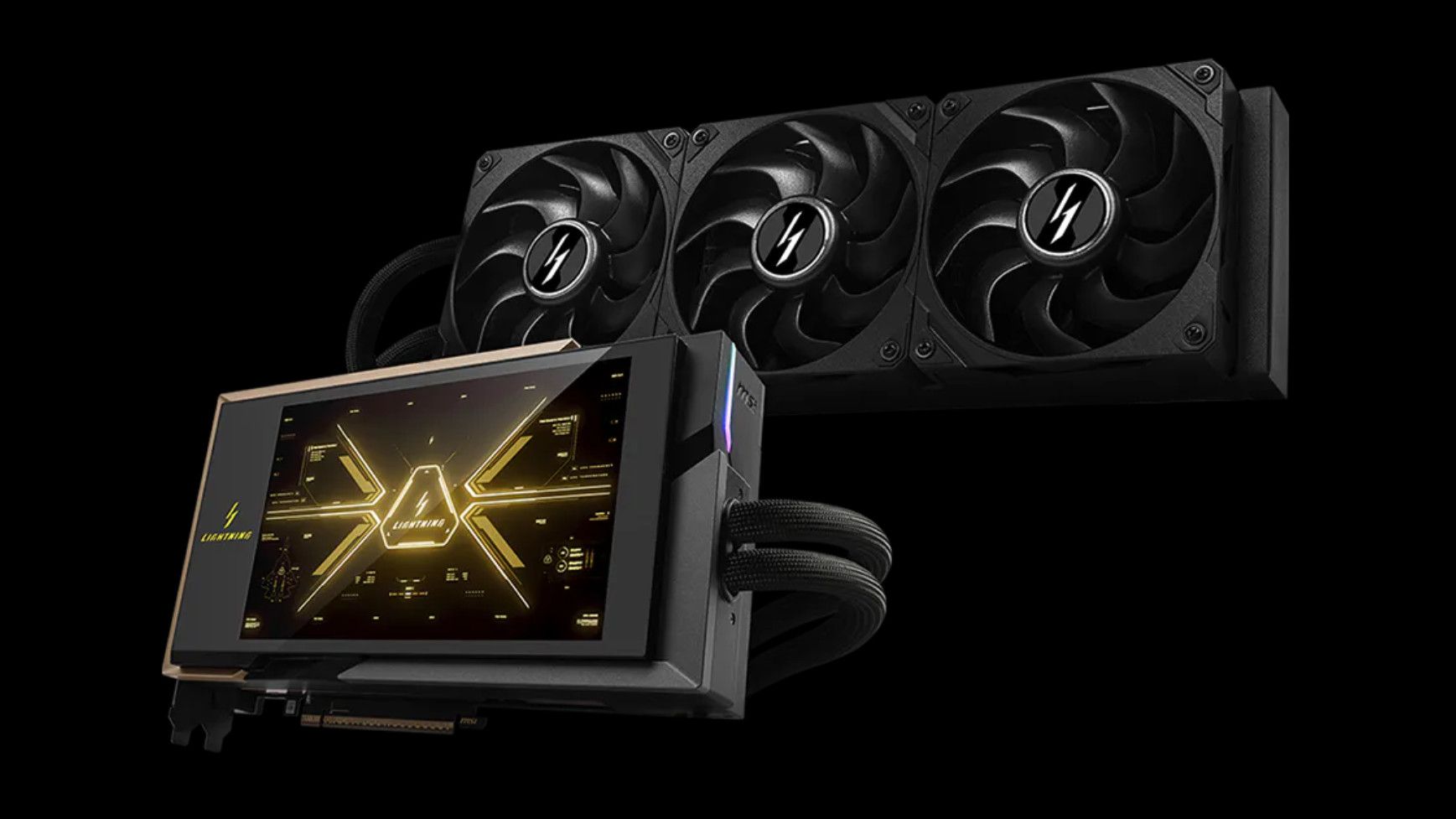
For context, an RTX 5090 Lightning with 32GB GDDR6X and 480GB/s memory bandwidth is already pushing the limits of what a single GPU can achieve in gaming. Benchmarks show it outperforming even high-end workstations in rendering and AI workloads, but the $15,000 price means it’s no longer just a tool—it’s a luxury item.
Who Should Buy It—and Who Should Walk Away?
The RTX 5090 Lightning isn’t for everyone. Its $15,000 price tag makes it a niche product, appealing only to
- Extreme enthusiasts who prioritize aesthetics and exclusivity over raw value.
- Crypto miners willing to bet on speculative resale value (though Nvidia’s mining restrictions make this risky).
- Content creators with deep pockets who need maximum VRAM and compute power for 8K rendering or AI workloads.
- Collectors treating it as a high-end PC component trophy rather than a practical purchase.
For the average gamer, the RTX 4090 (or even a high-end RTX 4080 Super) offers 90% of the performance at a fraction of the cost. The Lightning’s 32GB VRAM is overkill for most applications, and its $15,000 price means it’s more of a status symbol than a smart investment.
If you’re determined to get one, official retailers in regions like the UK are still selling it at $1,599–$2,000—a far cry from the eBay frenzy. But even at those prices, ask yourself: Is this a GPU, or is it a high-stakes gamble?