The problem extends beyond mere inconvenience. In one documented case, a user running an RTX 4090 under sustained load noticed the yellow-tipped connectors had retracted nearly halfway out of their sockets, despite no physical interaction with the system. The cables, which should remain rigidly locked, exhibited a slow, almost imperceptible backward movement over the course of several days. This wasn’t a one-time glitch—it recurred after the connectors were reseated, suggesting a deeper flaw in the design’s durability.
Engineers who specialize in high-power PC components speculate that the issue may stem from the way the connectors interface with the GPU’s PCB. The 12V-2x6 standard, while robust, relies on precise tolerances to maintain a secure connection. Over time, thermal cycling—the repeated expansion and contraction of materials under heat—could be causing microscopic shifts in the connector housing, gradually loosening the grip on the cable. MSI’s yellow tips, intended as a visual safeguard, may not have been designed to compensate for this kind of long-term mechanical wear.
What makes this particularly concerning is the lack of an immediate visual warning. Unlike a fully disconnected cable, which would be obvious, a partially retracted connector might still appear seated at a glance. Yet even a slight misalignment could lead to intermittent power delivery, potentially causing artifacts, crashes, or—worst-case—system instability during critical operations like rendering or gaming.
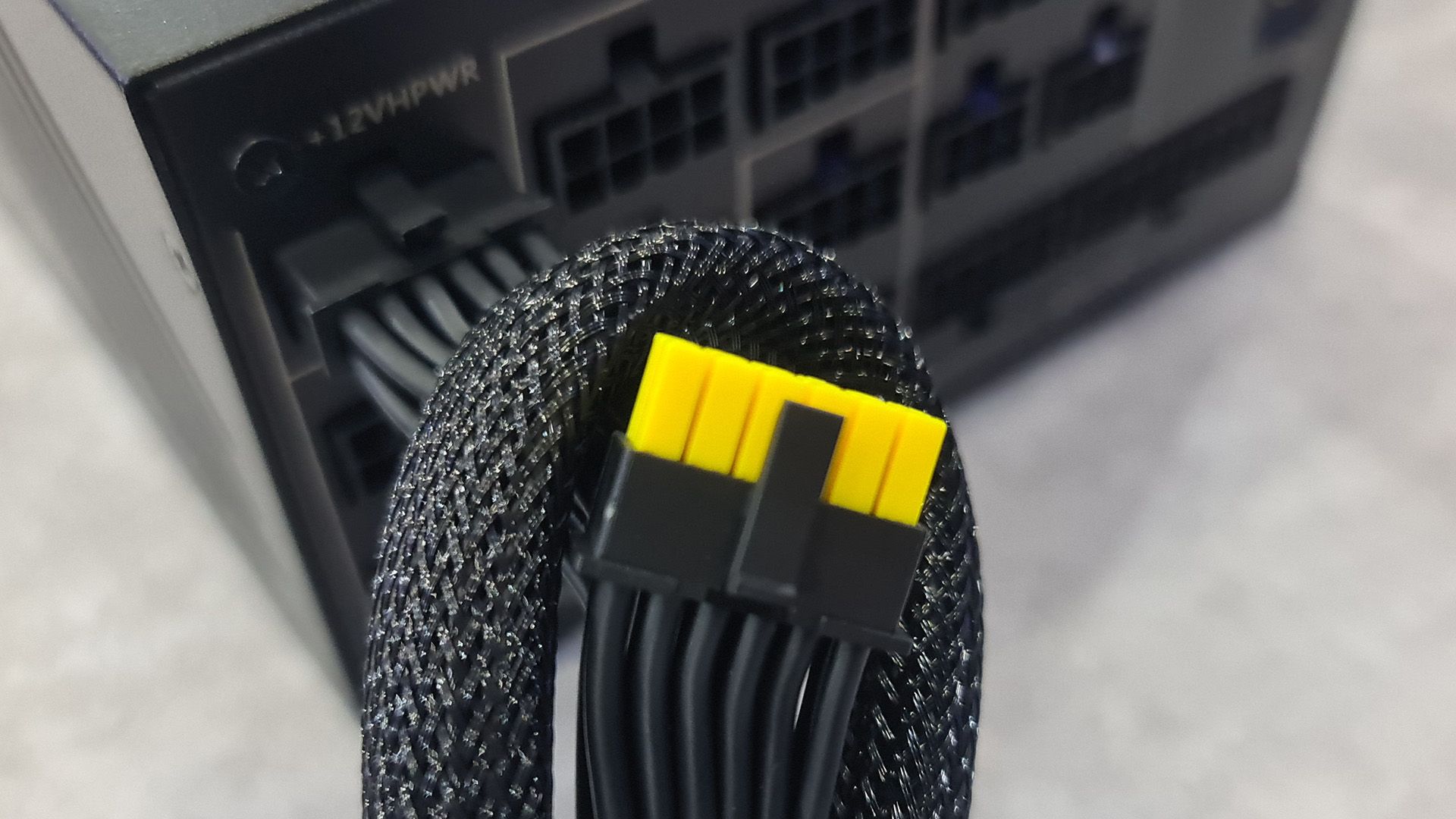
For users with high-end setups, the solution remains manual vigilance. Regular inspections of the power connectors, especially after periods of heavy use, are now recommended as standard practice. Some have taken to applying a thin layer of dielectric grease to the connector pins to reduce friction, though this is not a permanent fix. Aftermarket tools like cable monitors can provide alerts, but they don’t address the root cause: a design that may not hold up under sustained stress.
The implications of this issue go beyond MSI’s specific implementation. If high-power connectors can fail in this manner, it raises questions about the broader reliability of 12V-2x6 standards in next-gen hardware. As GPUs push further into territories requiring 16-pin power delivery, the margin for error in connector design grows thinner. For now, users are left with a simple but critical reminder: what was once a minor safety feature may now be a fragile one.
The irony is undeniable. The yellow-tipped cables were introduced as a safeguard against human error, yet they’ve exposed a flaw that no amount of user caution can prevent. In an era where GPU failures can cost thousands in lost work or damaged hardware, this latest development serves as a stark reminder that even the most well-intentioned engineering solutions can have unforeseen consequences.