Few anime have dared to ask the same questions as Neon Genesis Evangelion*—what it means to be human, whether salvation is even possible, or if love is just another form of control. Now, the franchise’s 30th anniversary isn’t just a celebration; it’s a reinvention. Yoko Taro, the mind behind *Nier: Automata and Drakengard*, is stepping into the director’s chair—not as a guest writer, but as the primary architect of the new series’ narrative. This isn’t a crossover; it’s a collision of two worlds that have long shared a DNA of despair, beauty, and unanswered questions.
The project, codenamed *Evangelion:30+*, will be a joint effort between Hideki Anno’s Studio Khara and CloverWorks, with Kazuya Tsurumaki and Toru Yatabe handling direction. Keiichi Okabe, whose haunting score for *Nier: Automata became iconic, will return to craft the new series’ soundtrack—a choice that feels deliberate, almost symbolic. Taro’s previous forays into anime, including The Voices of Cards and Nier Reincarnation*, proved he could adapt his fragmented, poetic style to visual storytelling, but this is his first major solo script for a franchise with *Evangelion*’s weight.
Key details confirmed
- Yoko Taro as chief writer, shaping the series’ thematic and structural foundation.
- Production partnership between Studio Khara and CloverWorks.
- Dual-direction by Kazuya Tsurumaki (*Re:Zero*, *The Ancient Magus’ Bride*) and Toru Yatabe (*Dorohedoro*, *Parasyte*).
- Keiichi Okabe composing the original score.
- No release window, cast announcements, or plot details leaked.
Taro’s absence from major game projects since *Nier: Automata (2017) has left fans speculating about his next move. While Nier Replicant ver.1.22474487139… and Reincarnation kept his name in the conversation, this Evangelion assignment is his first deep dive into a pre-existing universe with such cultural significance. The challenge? Balancing Anno’s legacy—a series that redefined psychological sci-fi—with his own themes of memory, identity, and the cost of existence. Will this be a standalone story, or will it weave into the existing timeline? The lack of details only heightens the intrigue.
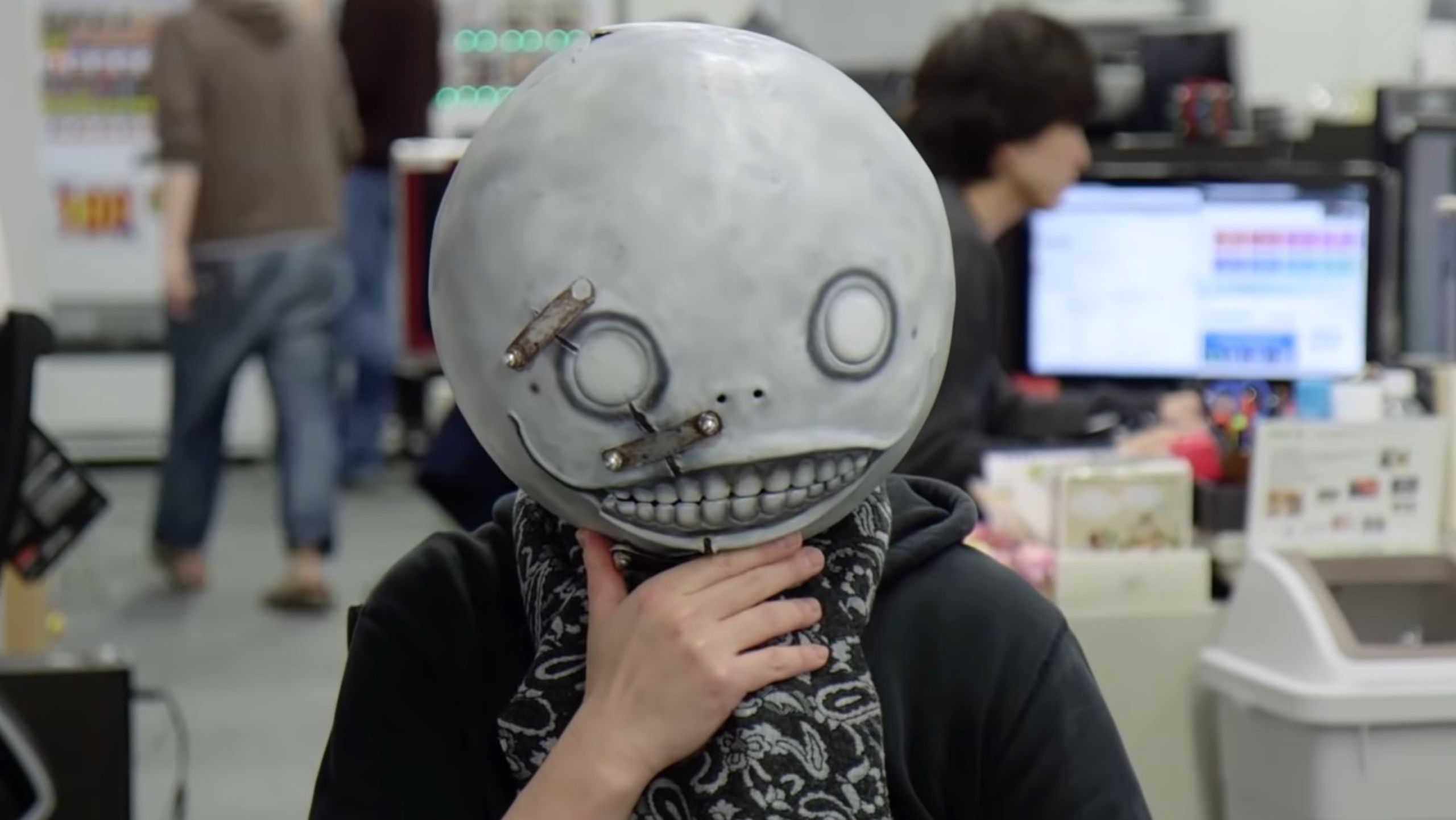
What makes this collaboration particularly intriguing is the potential for Taro’s signature style to intersect with Evangelion*’s tone. His games often feature protagonists grappling with fragmented realities, where choices lead to branching, tragic outcomes. *Evangelion*’s characters, meanwhile, are defined by their isolation, their inability to communicate, and their desperate search for meaning. Combining these approaches could result in something neither franchise has attempted before: a story that doesn’t just explore humanity’s flaws, but its fundamental fragility.
For now, the only certainty is that fans of both *Evangelion and Taro’s work are holding their breath. The absence of a release date or even a teaser trailer suggests this project is being treated with the same care as the original series—no rushed decisions, no half-measures. If executed well, this could be the most ambitious Evangelion project since *The End of Evangelion*, a film that didn’t just conclude a story, but redefined what anime could achieve. The question remains: Will Taro’s vision push the franchise forward, or will it risk diluting the very themes that made it legendary in the first place?
One thing is clear—this isn’t just another anniversary special. It’s a bet on the future of *Evangelion*, and whether two of anime and gaming’s most introspective voices can create something that resonates just as deeply as the original.