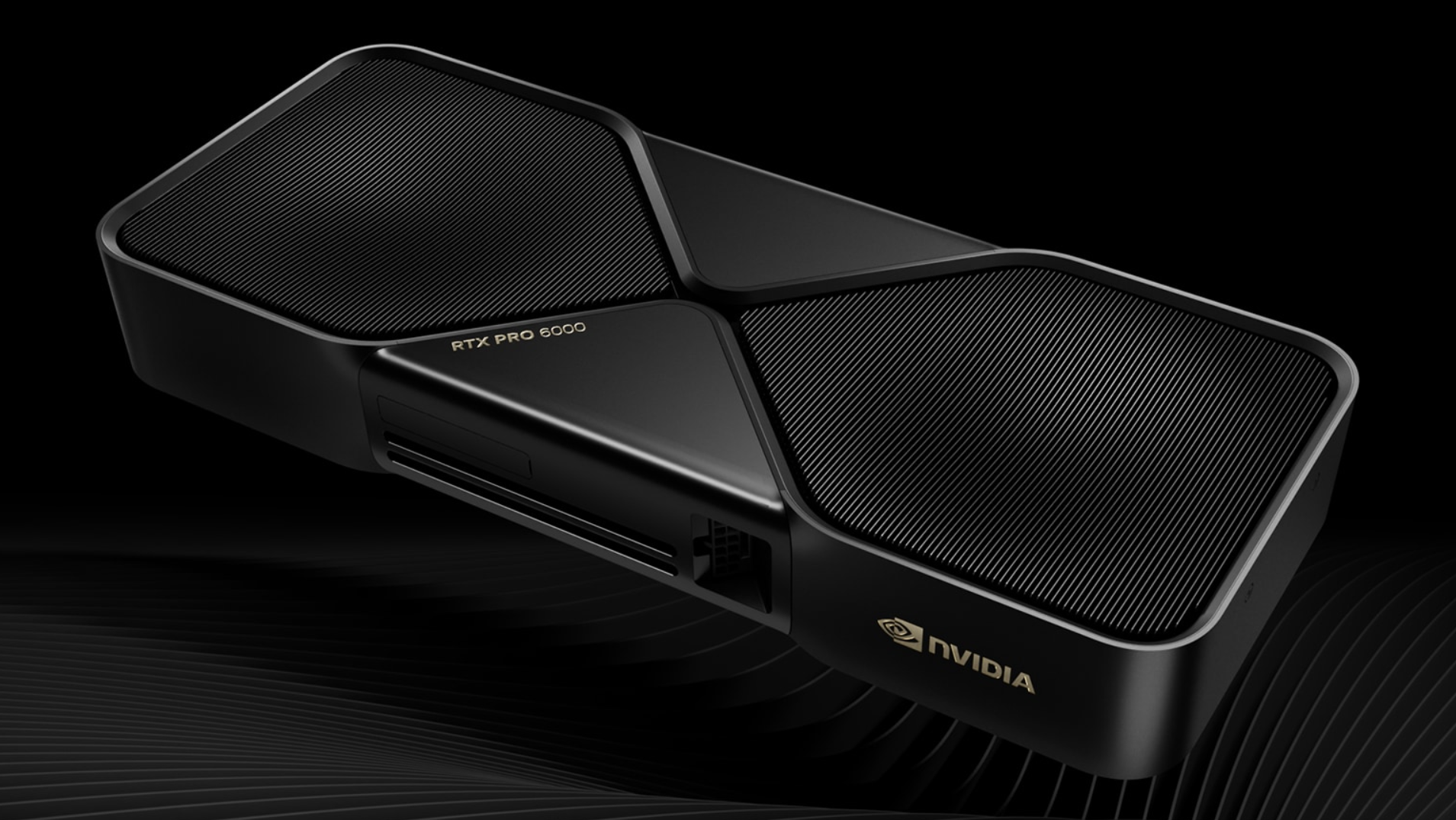
NVIDIA's push into next-generation AI infrastructure has taken a significant step forward with the imminent arrival of its 'Vera Rubin' server platform. Developed in collaboration with Quanta Computer, this system is poised to become a cornerstone for hyperscale data centers, though widespread adoption may not materialize until later in 2026.
Unlike its predecessor—the current-gen 'Grace Blackwell' GB200 and GB300—'Vera Rubin' shifts from chiplet-based designs to advanced packaging. This transition is expected to streamline migration for existing customers, who are already leveraging the 'Grace Blackwell' architecture. However, industry analysts note that moving to a more tightly integrated design could introduce challenges in thermal management and power efficiency.
Quanta's executive vice president and general manager, Mike Yang, revealed during a recent company event that first shipments—likely targeting hyperscalers—could occur as early as August 2026. While this marks a significant milestone, Yang emphasized that significant revenue from the platform is not anticipated until later in the year, suggesting a phased rollout.
The 'Vera Rubin' platform is part of NVIDIA's broader strategy to dominate the AI server market. At CES 2026, the company announced full production of its server-grade 'Vera' CPUs and 'Rubin' GPUs, which began in Q1 2026—well ahead of earlier projections for mass manufacturing by H2 2026. The platform's centerpiece is the NVL72 SuperCluster, a rack-scale system designed to handle the most demanding AI workloads. A larger variant, the NVL144, was previewed last year but remains further out in development.
One of the key differentiators for 'Vera Rubin' is its support for DDR6 memory, which could arrive with speeds ranging from 8,800 MT/s to 17,600 MT/s by 2027. This aligns with NVIDIA's focus on high-performance computing and AI acceleration, where memory bandwidth plays a critical role in performance. Additionally, the platform is expected to integrate tightly with NVIDIA's GeForce RTX 50-series GPUs, including models like the RTX 5080 and RTX 4090, which have already shown promise in AI workloads.
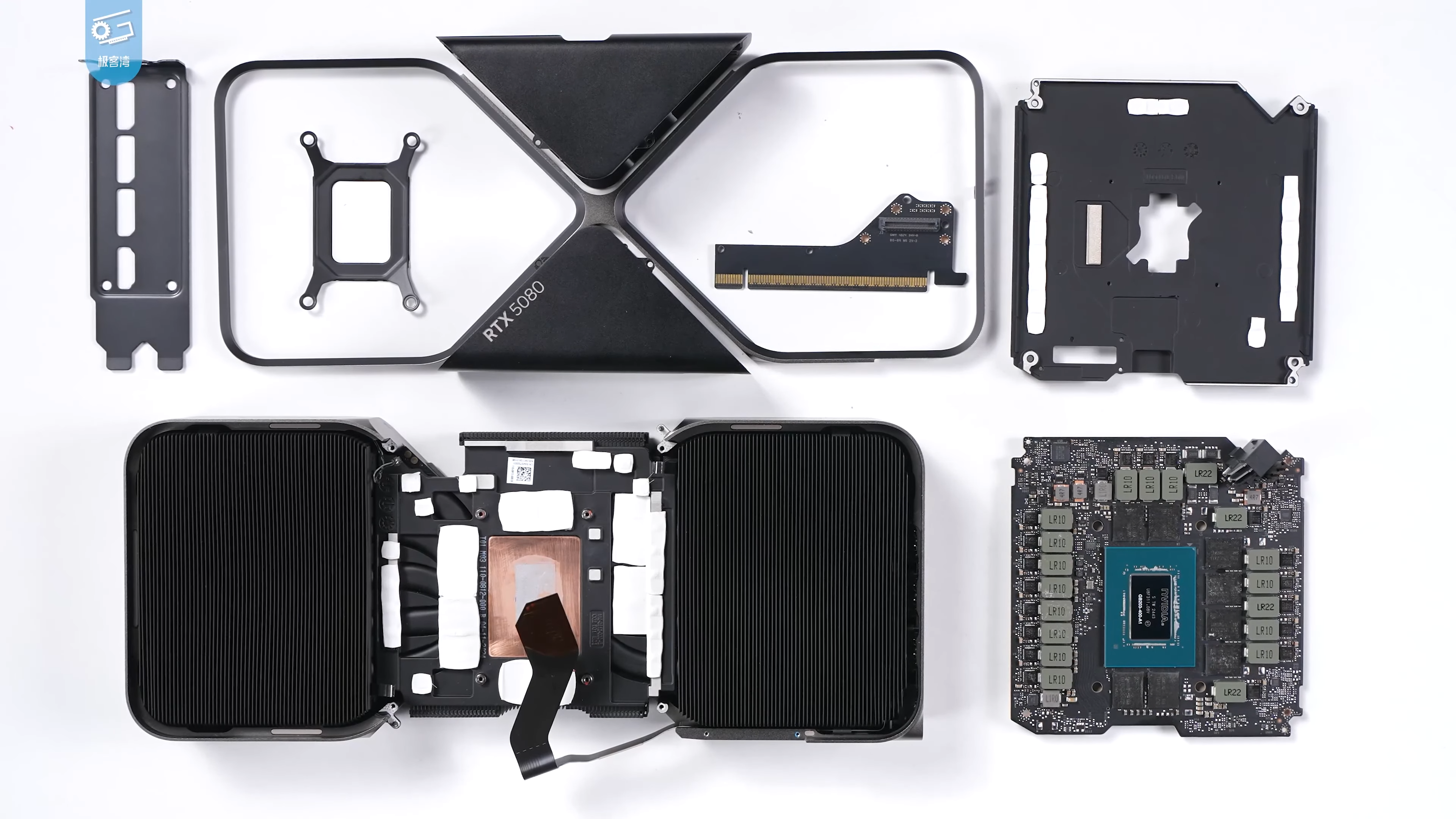
Looking ahead, the 'Vera Rubin' platform is likely to face competition from other high-end AI servers, including those based on AMD's upcoming architectures. However, NVIDIA's dominance in the discrete GPU market—currently at 94%—suggests it will maintain a strong position in this space. The company's recent acquisition of $5 billion worth of Intel stock further signals its confidence in the AI-driven future, with potential implications for cross-architecture collaborations.
The timeline for 'Vera Rubin' is also tied to NVIDIA's broader roadmap, which includes plans to debut GeForce RTX 50-series SUPER GPUs by Christmas 2025. These GPUs are expected to leverage the same advanced packaging techniques as the 'Rubin' GPUs, ensuring consistency across its product lineup. Additionally, leaks suggest that a high-end model, the RTX 5090, could enter production with a price tag of $5,000, driven by strong demand from the AI industry.
While the immediate focus is on hyperscale deployments, the long-term impact of 'Vera Rubin' extends beyond data centers. Its architecture is designed to support a wide range of AI workloads, from large-scale language models to real-time analytics. This versatility could position it as a key enabler for industries such as autonomous systems, healthcare diagnostics, and financial modeling.
As NVIDIA continues to shape the future of AI infrastructure, its partnership with Quanta Computer will play a pivotal role in bringing 'Vera Rubin' to market. The platform's success hinges not only on its technical capabilities but also on its ability to integrate seamlessly into existing data center ecosystems. With production already underway and shipments on the horizon, the stage is set for NVIDIA to solidify its leadership in the AI server space.