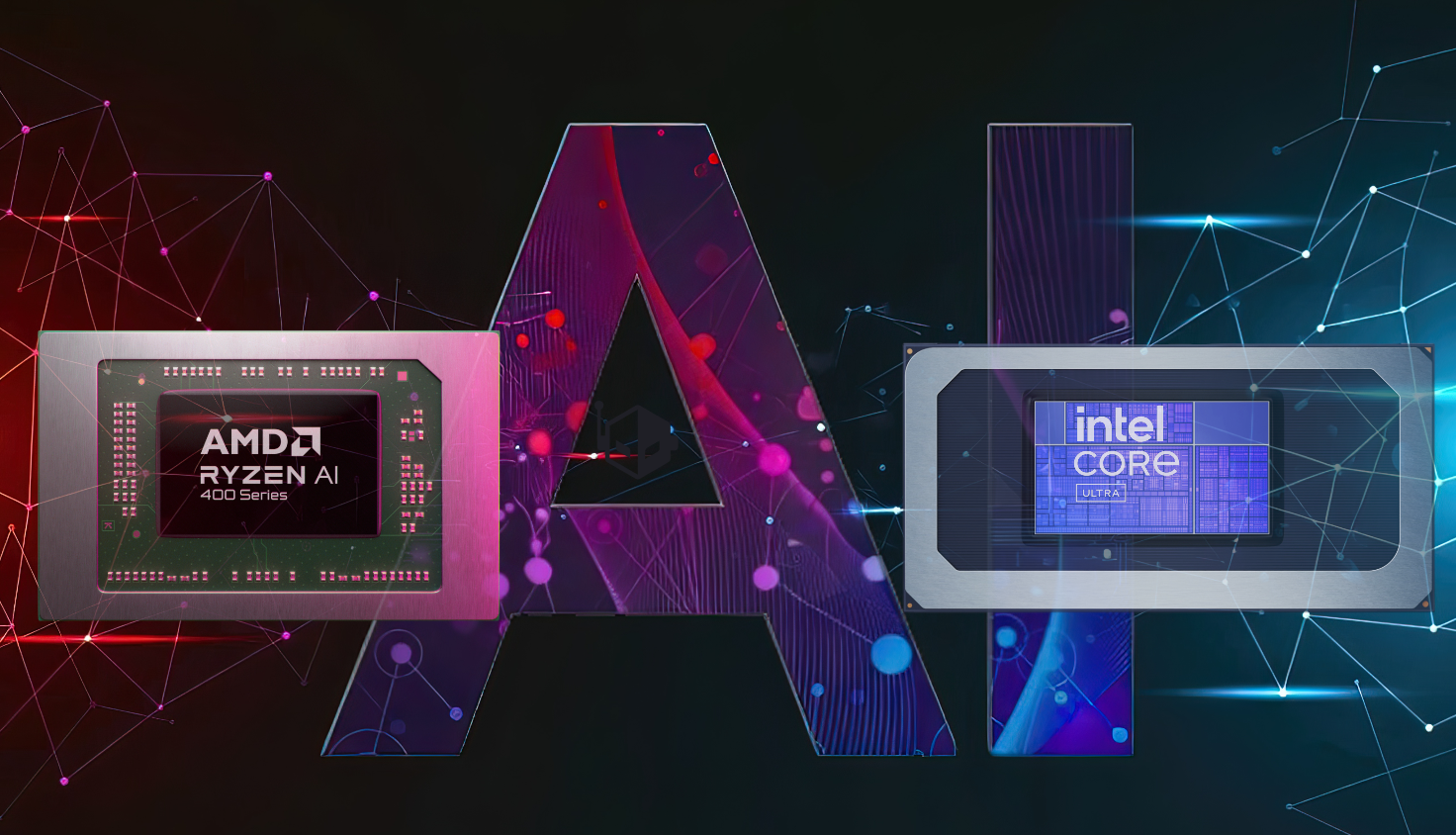
NVIDIA has categorically denied any involvement in discussions to acquire a PC manufacturer, putting an end to speculation that could have reshaped the company’s strategy in the computing ecosystem.
The denial comes at a time when NVIDIA is already making significant moves to strengthen its presence in both discrete and integrated graphics. The company holds approximately 94 percent of the dedicated GPU market share among AIB shipments, reinforcing its dominance in high-performance computing. This dominance extends beyond gaming, with growing influence in AI-driven workloads that demand advanced processing capabilities.
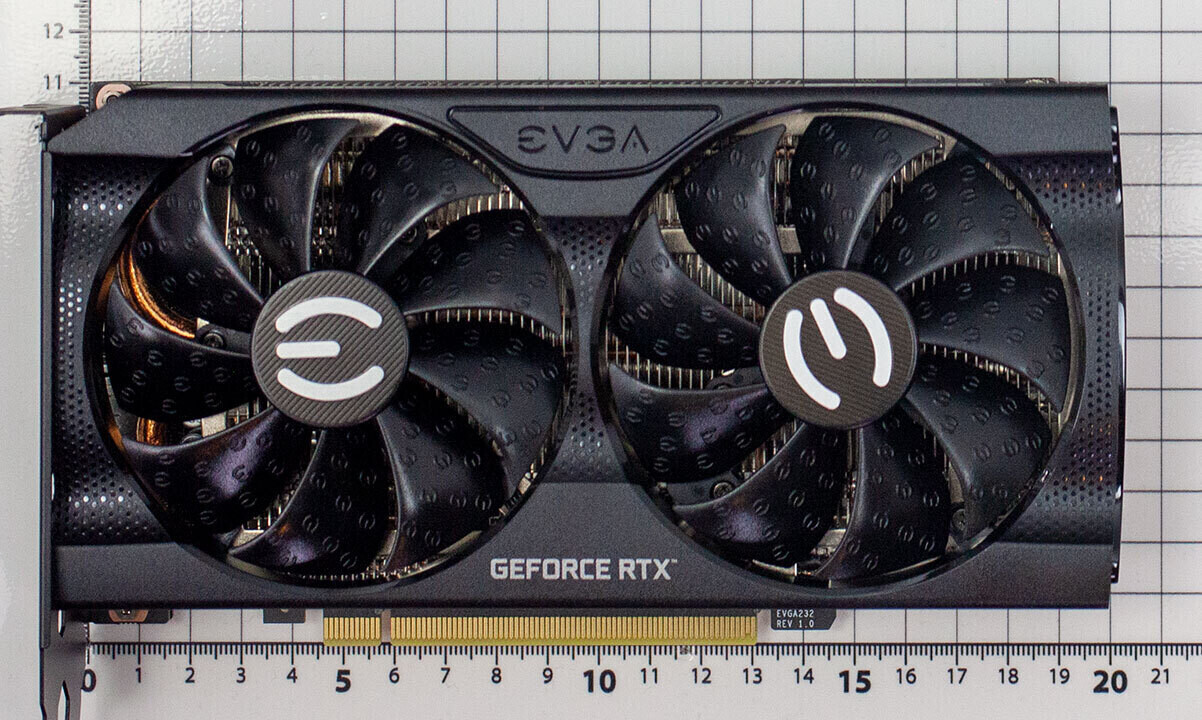
Key specs of recent NVIDIA GPUs include
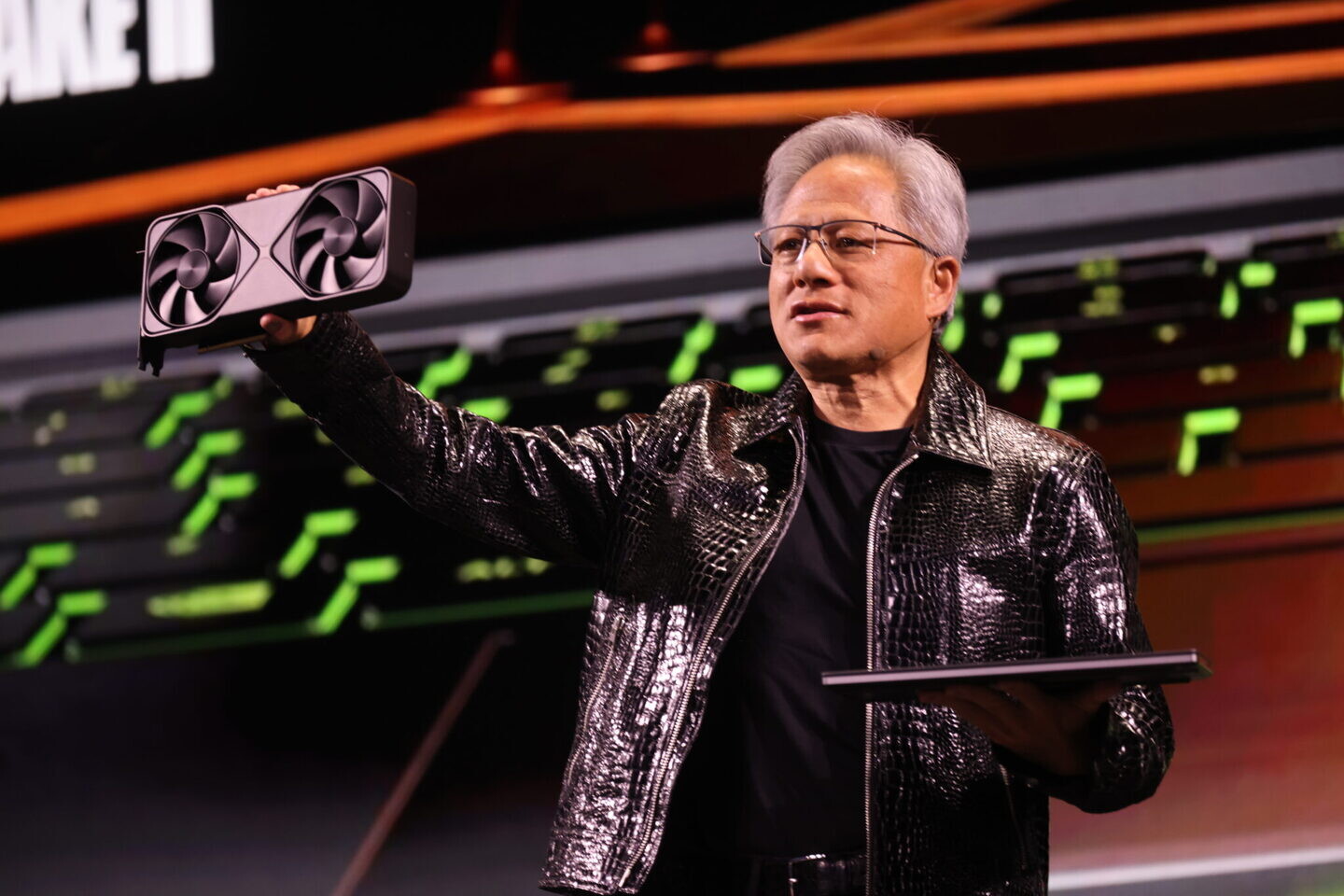
- RTX 5070: Designed for high-end performance with optimized power efficiency.
- RTX 5060: A mid-range model targeting mainstream gamers and content creators.
- RTX 5090: Positioned at the top tier, catering to enthusiasts and professional users with substantial AI compute capabilities.
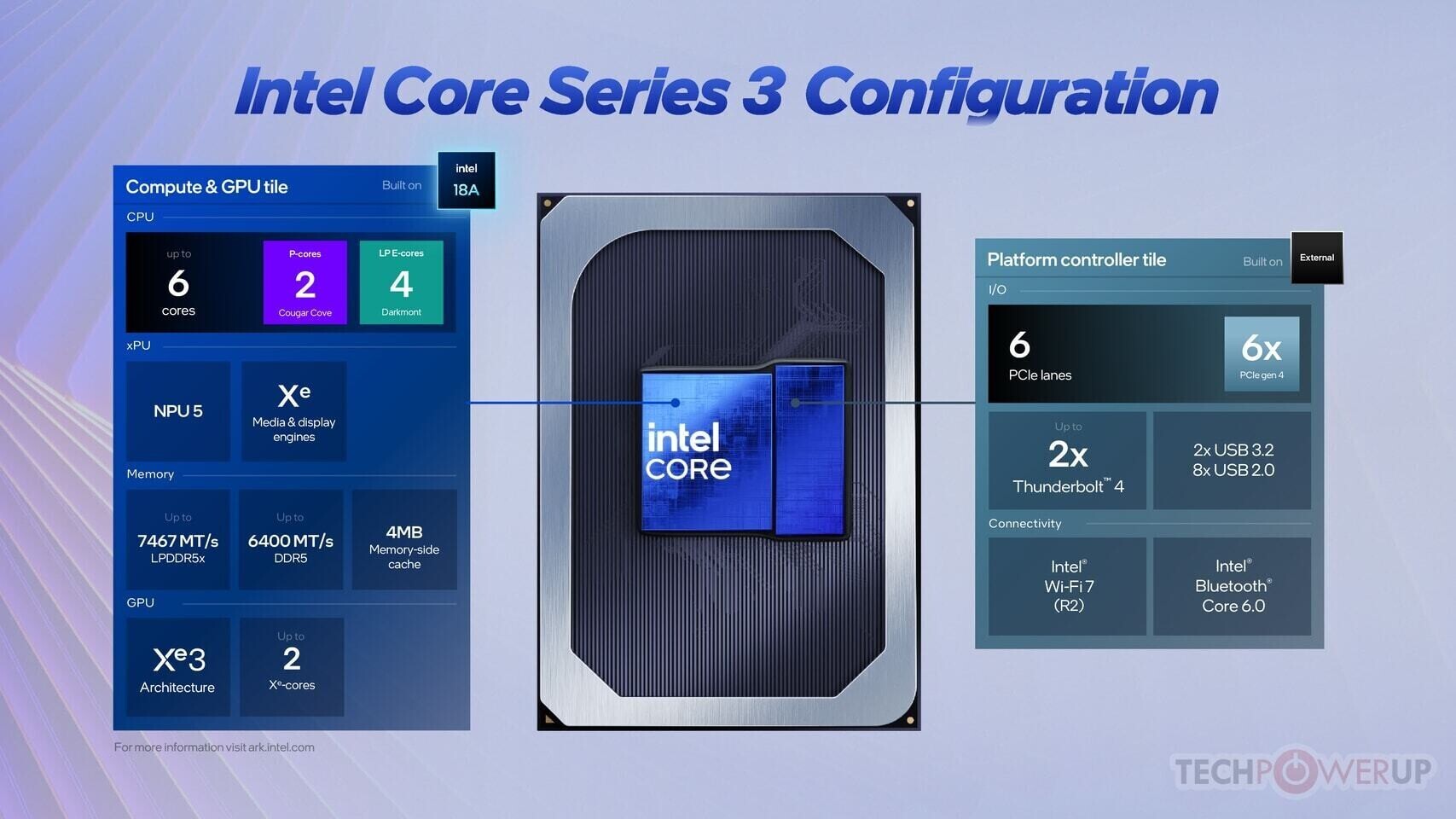
While NVIDIA has not confirmed any acquisition plans, its focus remains on expanding into new segments, such as laptop chips with the upcoming N1 and N1X SoCs. These chips are expected to integrate advanced AI features, potentially redefining how laptops handle complex workloads without requiring traditional discrete GPUs.
The company’s denial does not rule out future strategic moves, but it signals that any such moves would likely avoid the regulatory hurdles associated with acquiring a full PC manufacturer. Instead, NVIDIA appears to be doubling down on its core strengths—graphics and AI processing—while exploring new avenues for integration without the complexities of vertical acquisition.