NVIDIA has taken a major step toward simplifying AI-driven rendering in games by releasing two powerful developer tools: the DLSS Streamline plugin for DLSS 4.5 integration and the RTX Neural Texture Compression SDK. These updates aim to streamline the adoption of advanced neural rendering techniques, offering developers new ways to enhance performance while maintaining visual fidelity.
At the heart of these tools is NVIDIA's push toward more efficient neural rendering. The DLSS Streamline plugin allows developers to seamlessly incorporate DLSS 4.5 Super Resolution into their games without the need for complex manual integration. This follows the recent rollout of DLSS 4.5 through the NVIDIA App, which gives users control over upscaling settings—though official game support is always preferable for a smoother experience.
Performance Without Compromise
The RTX Neural Texture Compression SDK represents another leap forward in neural rendering optimization. By leveraging the neural rendering cores found in NVIDIA's latest GPUs, this tool enables developers to compress textures more aggressively than traditional methods while preserving image quality. The 0.9 version of the SDK delivers impressive efficiency gains: block compression encoding speeds are up to six times faster than before, and inference performance has improved by 20% to 40% compared to the previous iteration.
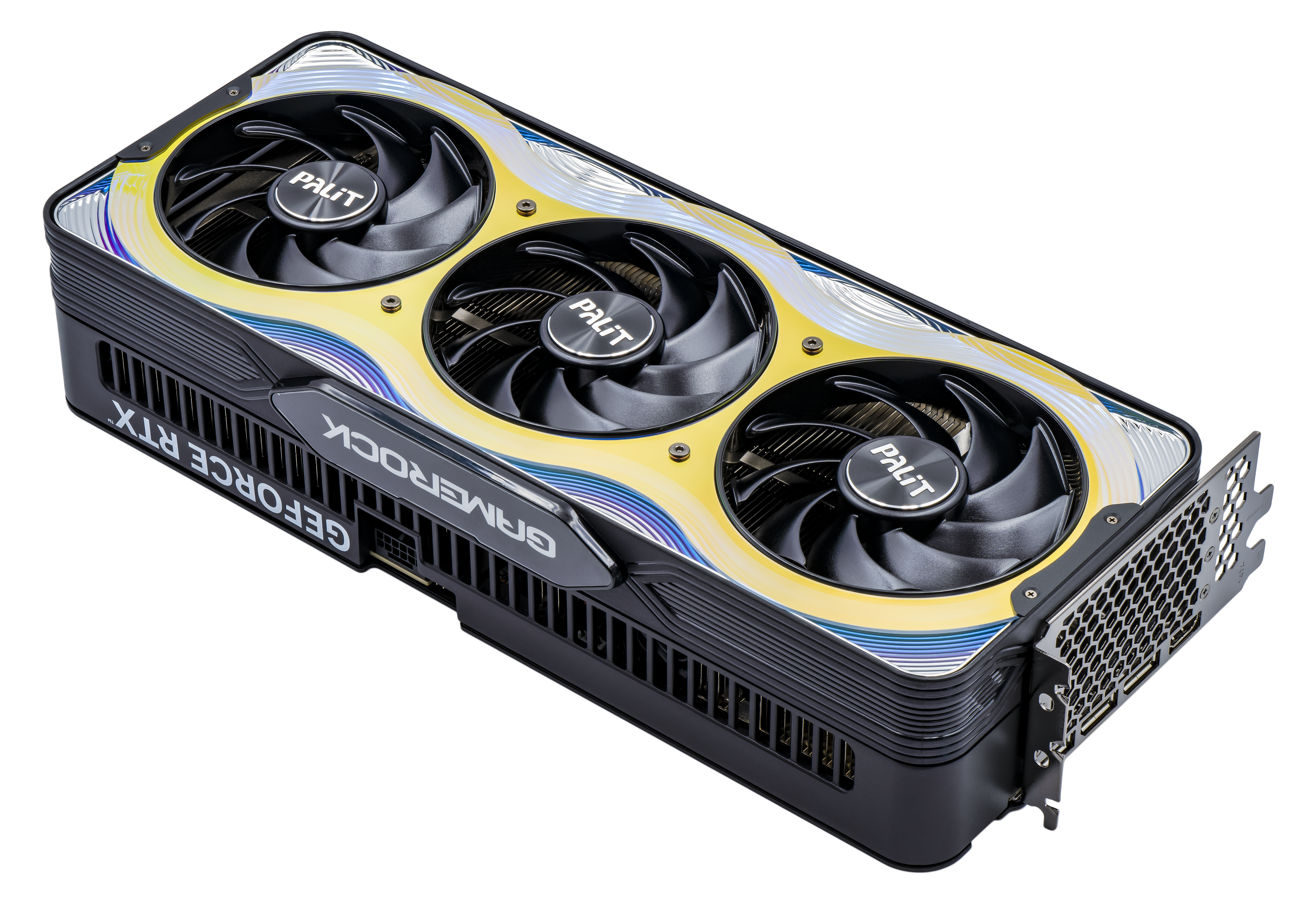
Perhaps most notably, this SDK reduces system memory usage by up to seven times while maintaining the same level of visual quality. This means games can run more efficiently without sacrificing detail—a critical advantage for both developers and players, especially on high-end GPUs like the GeForce RTX 5090.
Looking Ahead
NVIDIA's focus on neural rendering isn't limited to texture compression. The company has also expanded its DLSS capabilities with Multi-Frame Generation, which is expected to introduce a 6x mode later this spring through an additional Streamline plugin. This technology promises even smoother frame generation, further pushing the boundaries of what's possible in real-time rendering.
For developers working on next-generation titles, these tools could be game-changers. The RTX Neural Texture Compression SDK alone could redefine how textures are handled in games, potentially reducing load times and memory bottlenecks—a particular concern as GPU prices soar, with the RTX 5090 currently selling for over $3,500.
Broader Implications
The release of these SDKs also raises questions about the future of game development. As NVIDIA continues to refine its neural rendering tools, the industry may see a shift toward more AI-driven pipelines, where traditional rendering techniques are augmented—or even replaced—by neural solutions. This could lead to more efficient development cycles and better-performing games across a range of hardware tiers.
For now, developers have immediate access to these tools, with the DLSS 4.5 Streamline plugin available today and further updates expected in the coming months. Whether this marks the beginning of a new era for neural rendering remains to be seen, but one thing is clear: NVIDIA is doubling down on AI as a cornerstone of its graphics strategy.