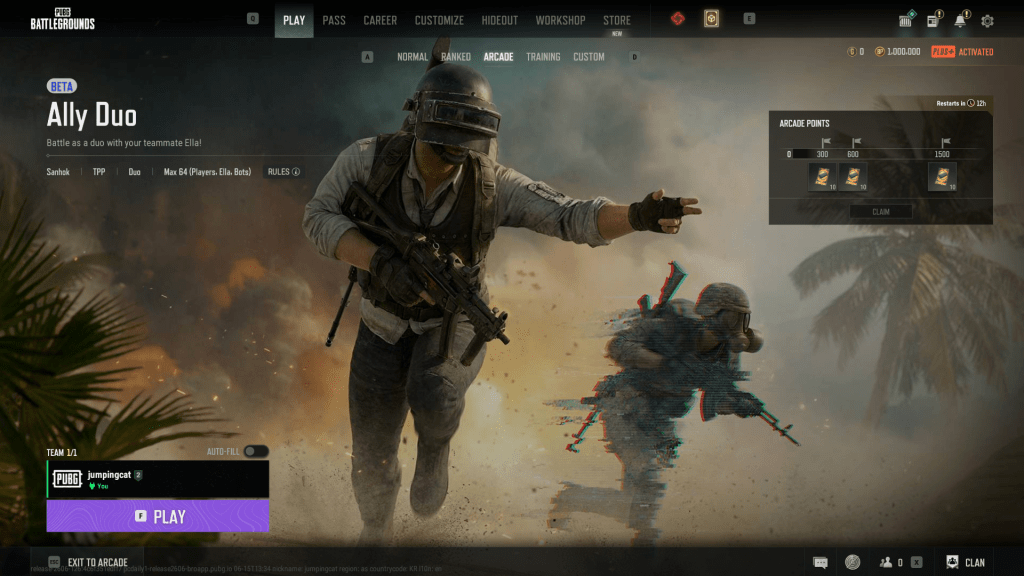
A lone player moves across the map, scanning for enemies while their squad mates fall under fire. In this high-stakes moment, an AI suddenly whispers a critical path—avoid the open area, take cover behind that ridge—all without breaking focus. This is the promise of Nvidia’s latest integration into PUBG: an AI companion designed to act as a real-time tactical advisor, analyzing gameplay and suggesting optimal moves.
Nvidia’s AI tool, built on its GeForce Now platform, aims to transform solo or duo players into more effective squad members by providing in-game intelligence. The system processes visual data from the game, offering real-time recommendations on movement, positioning, and even weapon choice. For players accustomed to relying solely on skill and reflexes, this marks a significant shift—one that could blur the line between human strategy and machine assistance.
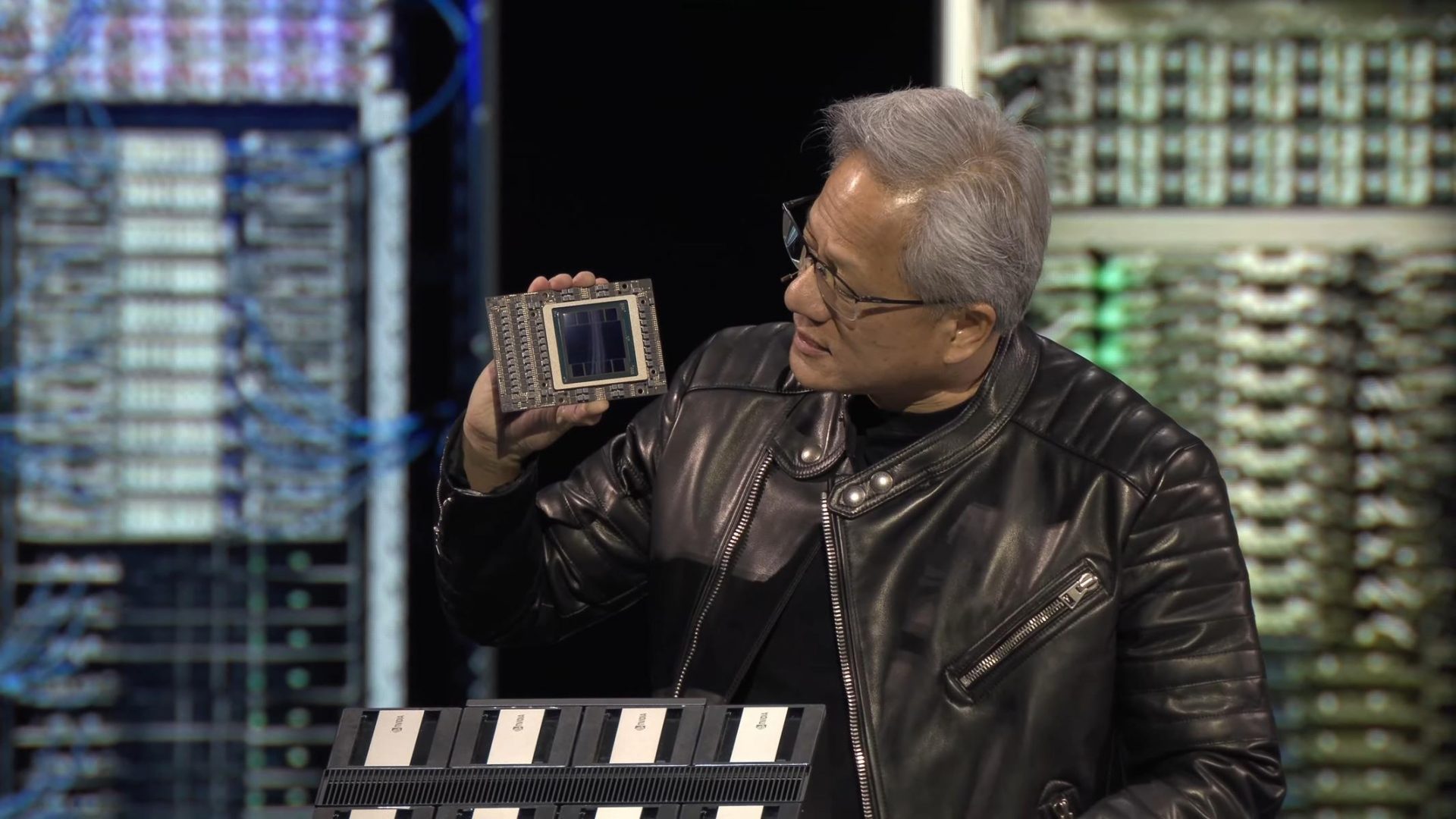
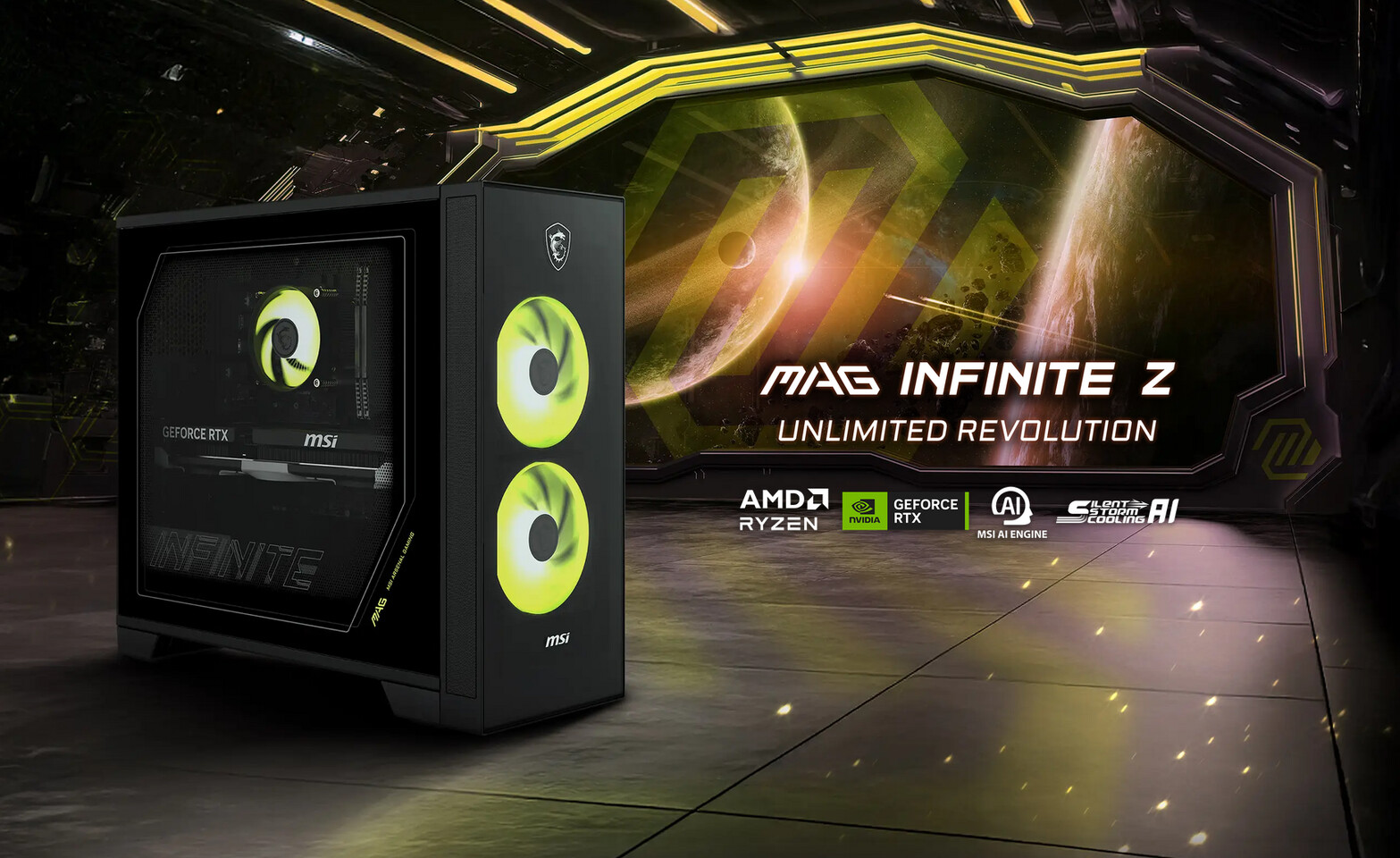
The tool is set to debut with Nvidia’s GeForce RTX 40 series GPUs, leveraging their AI acceleration capabilities. Players using compatible hardware will see an overlay that highlights key tactical information, such as enemy movement patterns or structural weaknesses in buildings. The integration also promises performance optimizations, reducing latency and improving frame rates—critical factors for competitive play.
However, skepticism lingers about whether the AI can truly adapt to the chaotic nature of PUBG without becoming a distraction. While Nvidia’s marketing emphasizes seamless integration, real-world testing will determine if the tool enhances gameplay or adds unnecessary complexity. For small businesses investing in gaming setups, this raises practical questions: Is the performance boost substantial enough to justify the hardware requirements? Will the AI’s suggestions hold up under pressure, or will they feel like gimmicks?
At its core, Nvidia’s AI companion represents a broader trend of blending artificial intelligence with live-service games. Whether it succeeds depends on execution—balancing innovation with usability. If done right, this could set a new standard for in-game assistance; if not, it may fade as just another layer of noise in an already crowded ecosystem.