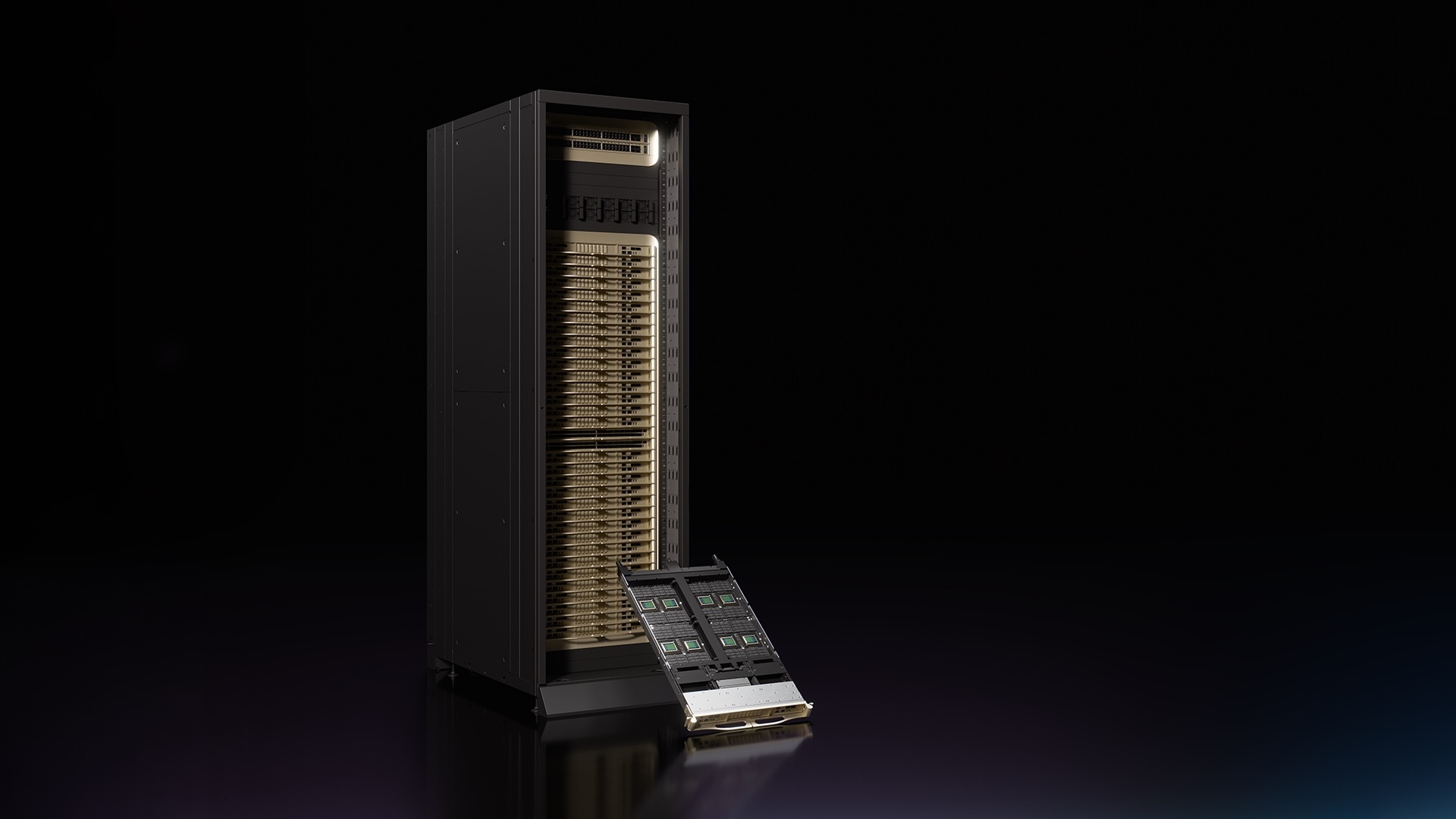
NVIDIA has solidified its position in enterprise AI development by introducing a suite of tools designed to streamline the creation of AI agents. The platform now supports a broader range of workloads, including generative AI and large language models (LLMs), while maintaining compatibility with existing software stacks. This expansion is aimed at enterprise developers who require robust performance without sacrificing flexibility.
At the core of this update is NVIDIA's focus on real-world deployment scenarios. The platform now integrates with popular enterprise software frameworks, allowing developers to build agents that can handle complex tasks efficiently. Key features include optimized memory management and accelerated inference capabilities, which are critical for high-performance computing environments. These improvements are particularly notable in industries where AI agents must process large datasets quickly and reliably.
One of the standout aspects of this platform is its ability to bridge legacy systems with modern AI workloads. Enterprise software leaders can now deploy agents that work seamlessly with existing infrastructure, reducing the need for costly overhauls. This compatibility extends to both cloud and on-premises environments, providing developers with the agility to adapt to different operational needs.

- Supports generative AI and LLM workloads
- Optimized memory management for high-performance computing
- Accelerated inference capabilities
- Compatibility with cloud and on-premises environments
The platform's expansion also includes new partnerships aimed at addressing specific enterprise pain points. For example, the integration with certain software stacks enables developers to focus less on infrastructure management and more on innovation. This shift is particularly beneficial for teams working in regulated industries where compliance and performance are non-negotiable.
Looking ahead, NVIDIA's platform is poised to become a cornerstone for enterprise AI development. The combination of hardware acceleration, software optimization, and ecosystem support positions it as a one-stop solution for businesses looking to deploy AI agents at scale. For PC builders and enterprise developers, this means access to a more cohesive and powerful toolset without the usual trade-offs associated with performance or compatibility.
In practical terms, users will notice smoother workflows when deploying AI models, especially in environments where latency is a concern. The platform's ability to handle memory-intensive tasks efficiently translates to faster iteration cycles and more reliable results. This is a significant milestone for enterprise AI development, as it addresses many of the challenges that have historically slowed adoption.