In the rapidly evolving landscape of AI-driven computing, NVIDIA's dominance in the discrete GPU market is more pronounced than ever. The company now holds a staggering 94% market share in the AI-focused segment, a figure that underscores its position as the de facto standard for high-performance computing. This dominance, however, comes with nuanced implications for small businesses navigating an increasingly complex supply chain and pricing environment.
While NVIDIA's market share has grown by 1.6% in the latest quarter, AMD's share has declined by the same margin, reflecting a broader trend that has left many industry observers questioning the future trajectory of GPU innovation and availability. The overall AI GPU market saw a slight decline in unit sales, with 11.5 million units shipped in the final quarter of 2025—a drop of half a million from the previous quarter but a significant 36% increase compared to the same period in 2024.
Key Specs and Market Dynamics
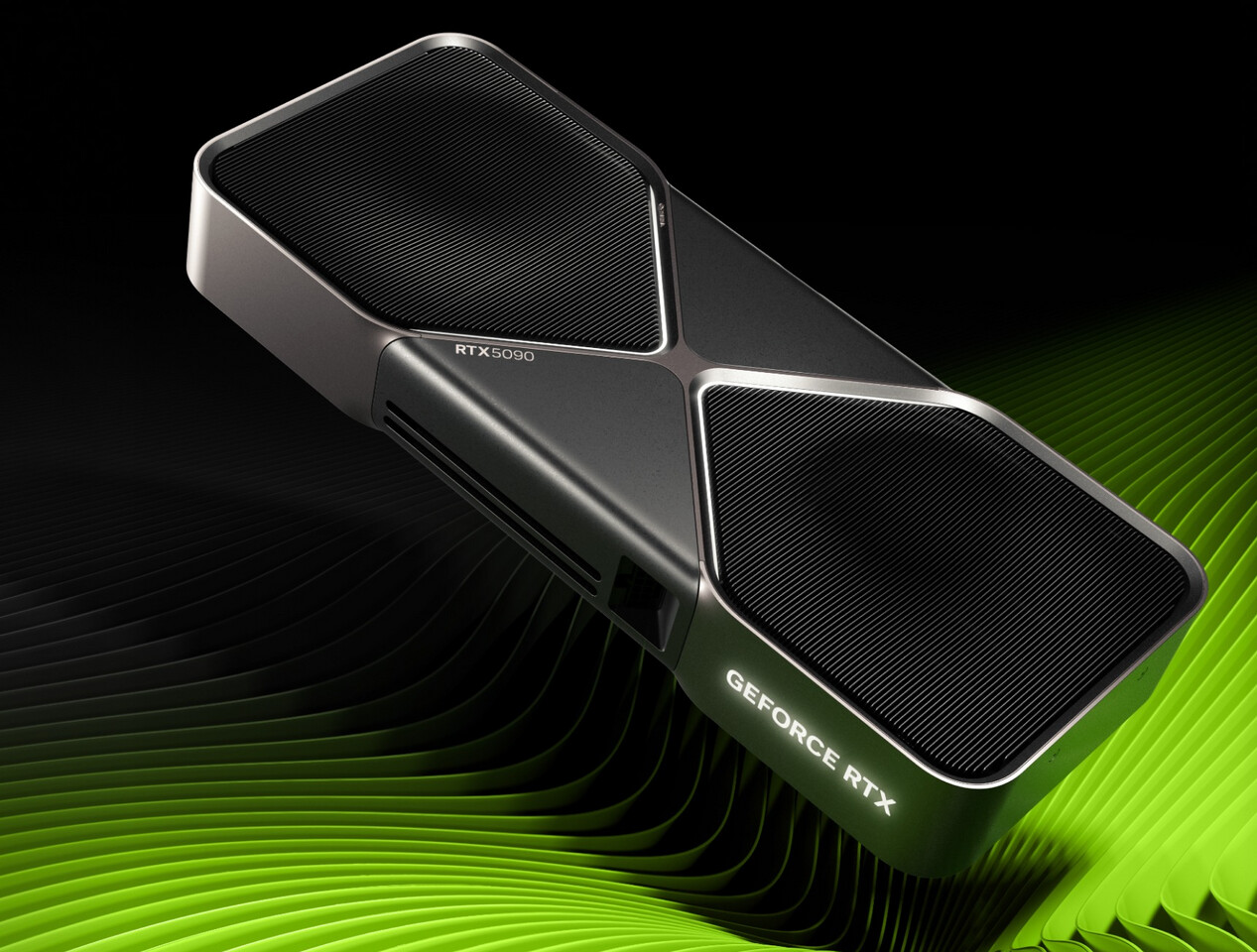
- NVIDIA's RTX 50 Series: The latest generation of NVIDIA's GPUs, including the RTX 5070, RTX 5060, and RTX 5090, continues to set the benchmark for performance in AI workloads. These cards leverage advanced architectures like RDNA 4 and GDDR7 memory, offering substantial improvements in compute power.
- AMD's RX 9000 Series: AMD's response to NVIDIA's dominance is the RX 9000 series, built on the RDNA architecture. While this series introduces new features like FSR 4 'Redstone,' it lacks high-end competition in the current generation, limiting its market penetration.
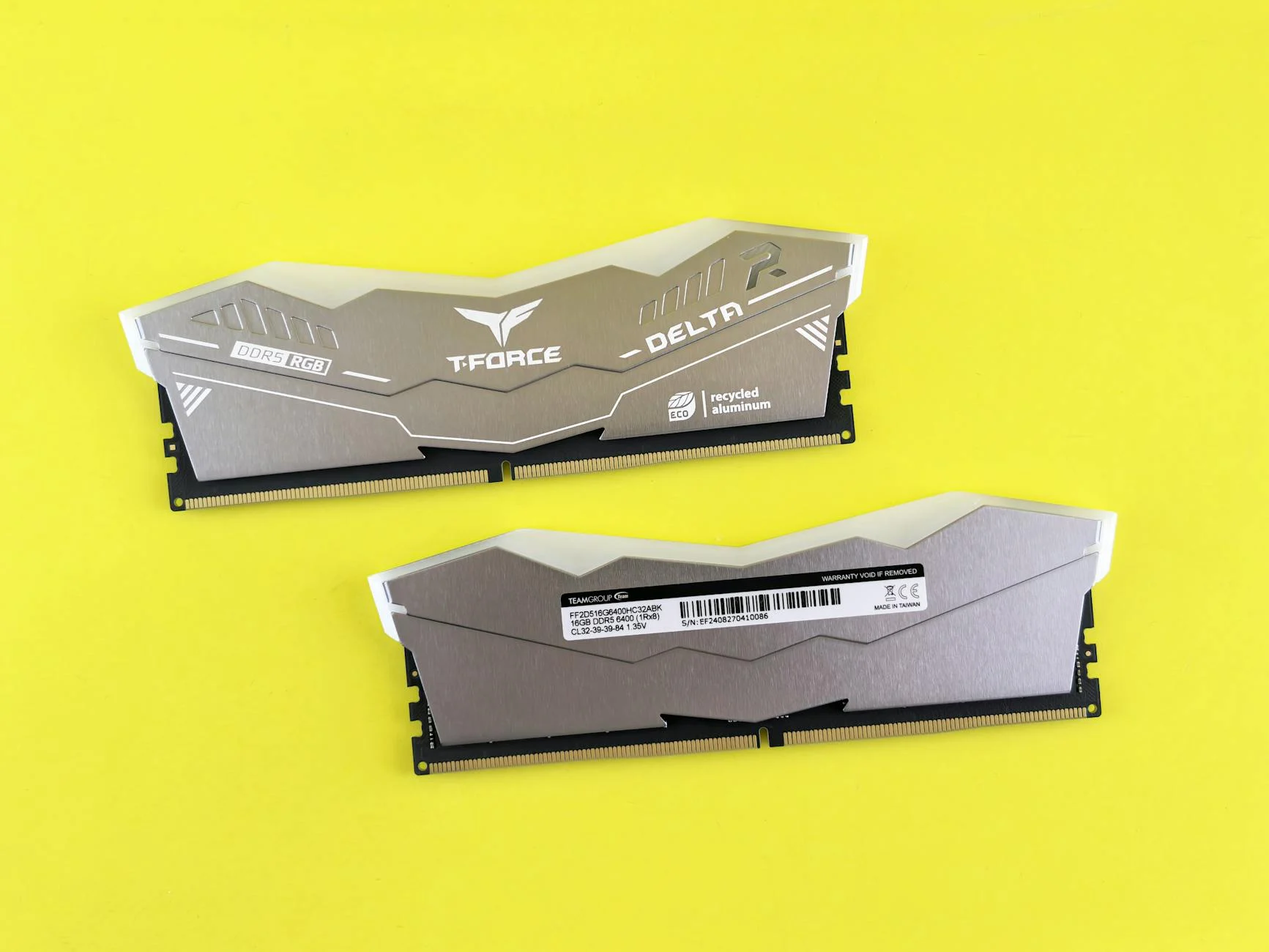
- Memory and Pricing: The use of GDDR7 and GDDR6 memory in these GPUs has driven up costs, with rising memory prices and tariffs affecting the global supply chain. This trend is expected to continue, impacting the affordability of high-end AI GPUs for small businesses.
The shift in market share also highlights a growing gap between NVIDIA's ecosystem and its competitors. For instance, AMD's support for certain technologies like FSR 4 'Redstone' is limited to its latest RX 9000 series, leaving older generations without updates. This strategy may force small businesses to invest in newer hardware more frequently, raising questions about long-term cost-effectiveness.
Implications for Small Businesses
For small businesses looking to future-proof their operations, NVIDIA's dominance presents both opportunities and challenges. On one hand, the company's extensive ecosystem and support for AI workloads make its GPUs a compelling choice for those seeking high performance. On the other hand, the rising costs of GDDR7 memory and the potential for supply chain disruptions could pose significant barriers to entry.
AMD's declining market share does not necessarily spell doom for its products, but it does signal a need for innovation that can compete with NVIDIA on both performance and price. Intel, while holding a steady 1% market share in the AI GPU segment, faces similar challenges, particularly in the mid-range sector where competition is fierce.
Looking Ahead: What's Next?
The future of the AI GPU market will likely be shaped by several factors, including advancements in memory technology, supply chain stability, and the introduction of new GPU architectures. NVIDIA's continued dominance suggests that its GPUs will remain the standard for high-performance computing, but the rising costs and potential supply constraints could force businesses to rethink their strategies.
For small businesses, this means staying informed about market trends, exploring alternative solutions, and planning investments that balance performance needs with long-term affordability. While NVIDIA's dominance is undeniable, the landscape may shift as AMD and Intel introduce new products, potentially altering the dynamics of the AI GPU market.