NVIDIA's latest GeForce driver release marks a step forward in AI-driven rendering, but it comes with a tradeoff: smoother visuals at the cost of platform exclusivity.
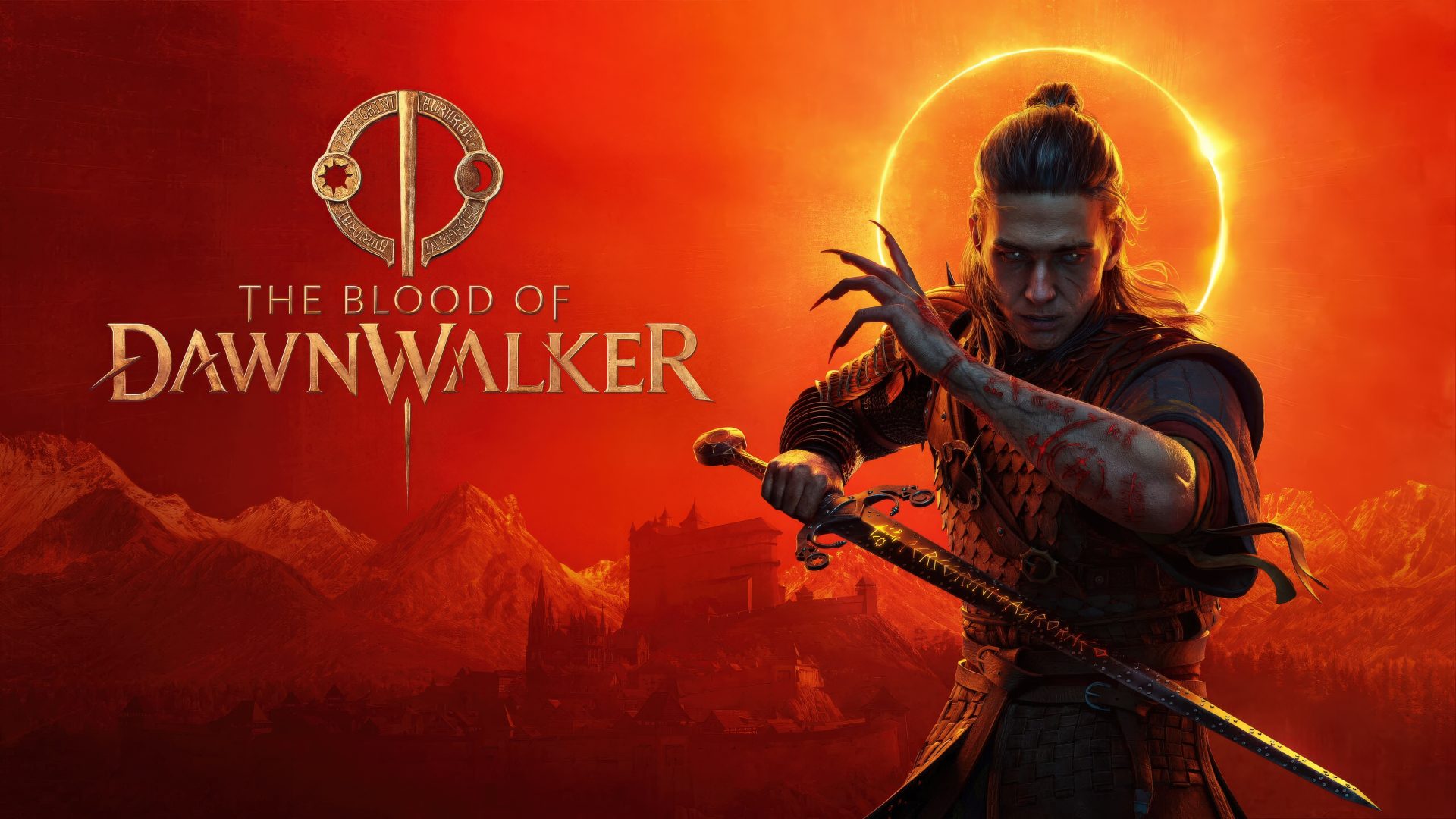
The GeForce 595.97 driver is now available, bringing Game Ready support for two high-profile titles—Forza Horizon 6 and Alan Wake Remastered. This isn't just about performance tweaks; it's a deeper integration of NVIDIA's AI upscaling technologies, DLSS 4 and DLSS 4.5, into the gaming ecosystem.
Game-ready optimizations with AI at the core
The driver focuses on two key areas: refining frame generation and improving ray tracing performance through DLSS 4.5 for Alan Wake Remastered. Forza Horizon 6, meanwhile, benefits from DLSS 4, which introduces a new approach to rendering by generating additional frames between existing ones—a technique that can boost performance without sacrificing visual fidelity.
- DLSS 4: Dynamic frame generation for smoother gameplay (up to 2x performance improvement).
- DLSS 4.5: Enhanced ray tracing with improved upscaling for Alan Wake Remastered.
- Game Ready: Pre-optimized settings for immediate performance gains in supported titles.
This isn't the first time NVIDIA has pushed AI-driven rendering, but it's a notable shift in how these technologies are being integrated into games. The driver also includes broader optimizations for GeForce RTX 40 series GPUs, ensuring compatibility with the latest advancements in real-time rendering.

Broader implications: efficiency vs. platform lock-in
The push toward AI upscaling reflects a larger trend in gaming hardware—balancing raw performance with efficiency. DLSS 4 and 4.5 aren't just about making games run faster; they're also about reducing power consumption, which is critical as GPUs become more power-hungry. However, this comes with a potential downside: platform lock-in. By tying these features to NVIDIA's ecosystem, developers are incentivized to optimize for DLSS over competing solutions like AMD's FSR or Intel's XeSS.
For creators and developers, this means a more streamlined workflow when targeting NVIDIA hardware, but it also raises questions about long-term compatibility. If AI upscaling becomes a standard expectation, will games be designed with one platform in mind—or will they remain adaptable across different hardware?
A look ahead: what's confirmed and what's still evolving
For now, the GeForce 595.97 driver is a clear win for NVIDIA users, offering immediate performance gains in supported titles without requiring manual tweaking. However, the broader implications of AI-driven rendering are still unfolding. Will this become the new standard, or will competition from other platforms keep the field open? One thing is certain: the tradeoff between performance and exclusivity isn't going away anytime soon.