NVIDIA's upcoming RTX 50 series is poised to redefine graphics processing, but the journey from silicon to shelf is fraught with challenges that could shape its market impact. At the heart of this transition lies a delicate balance between cutting-edge innovation and economic feasibility.
The Tensor G5, a cornerstone of NVIDIA's AI-driven GPU architecture, is expected to debut in the RTX 5080 SUPER and RTX 5090 models. Built on a 2nm process, this chipset promises significant leaps in computational efficiency and power consumption, setting a new benchmark for performance per watt. However, the RTX 5090's projected $5000 price point introduces a stark reality check for consumers accustomed to more modest GPU investments.
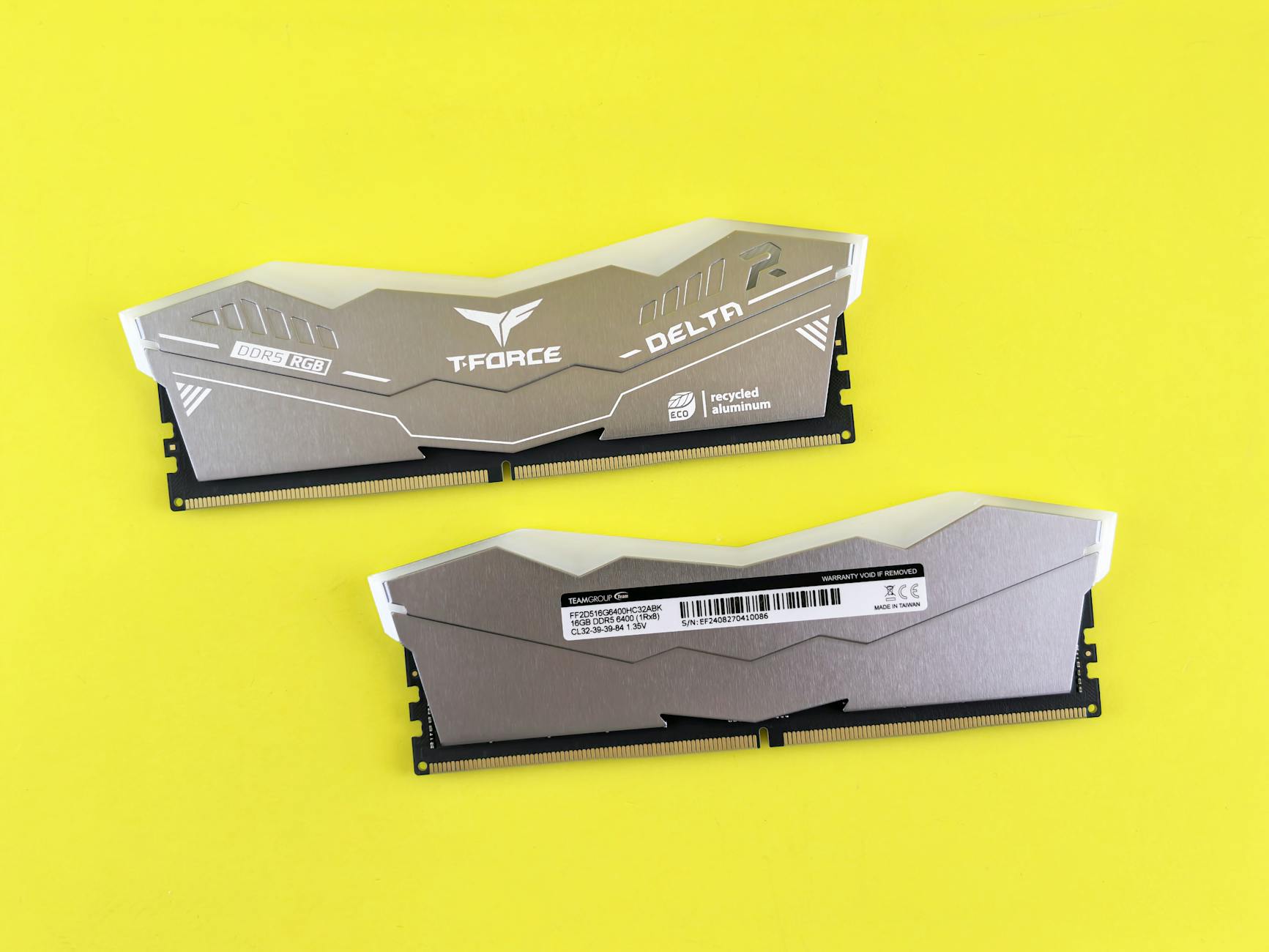
Performance gains are undeniable. The RTX 5080 SUPER and RTX 5070 SUPER, with their respective 24GB and 18GB VRAM configurations, aim to push the boundaries of rendering capabilities. DDR6 memory support ensures that these GPUs can handle the most demanding workloads, from high-resolution gaming to complex AI training tasks. Yet, the question lingers: who will benefit from such power, and at what cost?
For professionals in fields like 3D rendering, scientific simulation, or machine learning, the RTX 50 series could be a game-changer. The Tensor G5's ability to accelerate AI workloads with unprecedented efficiency could revolutionize how these tasks are performed. However, the $5000 price tag on the RTX 5090 suggests that this technology may initially cater to a niche market, leaving mainstream gamers and content creators wondering if the investment is justified.
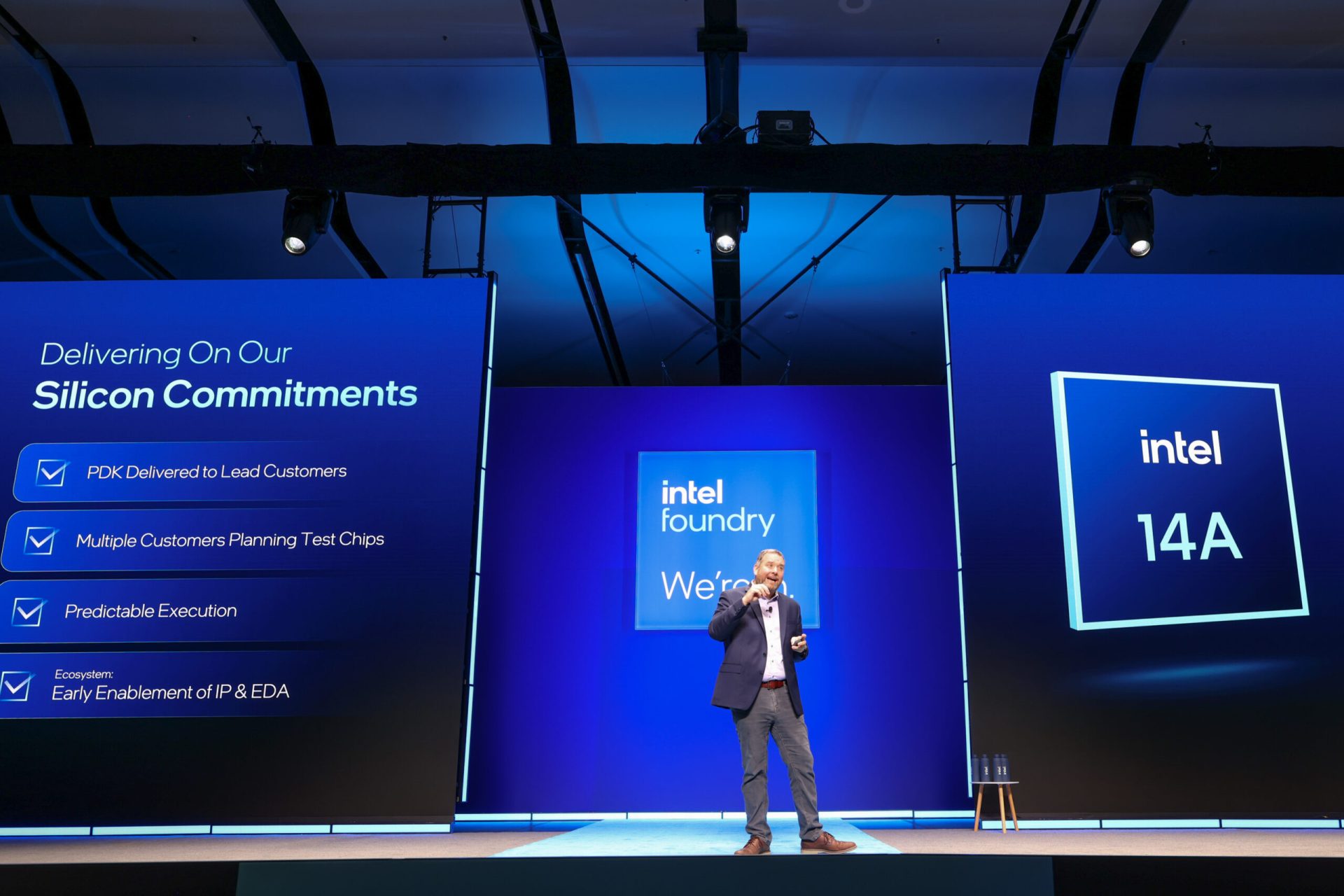
The transition to a 2nm process is another double-edged sword. While it promises improved performance and energy efficiency, manufacturing at such a small scale introduces risks. Yield rates, cost of production, and supply chain stability are critical factors that could influence the final price and availability of these GPUs. Early reports hint at potential delays or increased costs, which could further complicate the market dynamics.
Beyond raw performance, the RTX 50 series introduces new features that could redefine user experiences. Enhanced ray tracing capabilities, coupled with improved DLSS support, aim to deliver more immersive and realistic visuals. However, these advancements come with their own set of considerations, such as software optimization and compatibility with existing titles.
For now, the RTX 50 series remains a tantalizing glimpse into the future of GPU technology. Its potential to push boundaries is clear, but the economic and practical challenges cannot be ignored. As NVIDIA navigates this landscape, the true value of these GPUs will become evident, determining whether they are a bridge too far for many or a necessary step forward for others.
Key Specs
- Chipset: Tensor G5 (RTX 5080 SUPER, RTX 5090)
- Memory: DDR6 support (RTX 5080 SUPER: 24GB VRAM, RTX 5070 SUPER: 18GB VRAM)
- Process Node: 2nm
- Pricing: RTX 5090 projected at $5000
The RTX 50 series is designed for those who demand the absolute best in performance, whether it be for professional workloads or high-end gaming. However, its steep price and the uncertainties surrounding manufacturing and supply make it a proposition that requires careful consideration. For most consumers, this technology may remain an aspirational goal rather than an immediate necessity.
As the industry moves forward, the RTX 50 series serves as a reminder of both the potential and the challenges that accompany technological advancement. It is a testament to human ingenuity but also a cautionary tale about the complexities of bringing such innovation to market.