NVIDIA is set to deliver its next-generation Vera Rubin AI servers to key customers by mid-year, marking a strategic shift in data center compute architecture. Unlike the Blackwell series, Rubin adopts advanced packaging and HBM integration, addressing concerns about production ramp-up while maintaining performance gains.
The Rubin lineup, unveiled at CES this year, consists of six distinct chips: a GPU with 336 billion transistors, a CPU with 227 billion transistors, an NVLINK 6 switch for interconnect, CX9 and BF4 for networking, and Spectrum-X 102.4T CPO for silicon photonics. This architecture aims to optimize thermal draw and simplify production by limiting initial chip counts to the NVL72 configuration.
Initial Rubin shipments will be modest, with NVIDIA following a similar ramp-up strategy to its Blackwell Ultra series. The company is targeting full hyperscaler integration by Q4 2026 to Q1 2027, with early adopters including OpenAI, Microsoft, Google, and neocloud providers like CoreWeave.
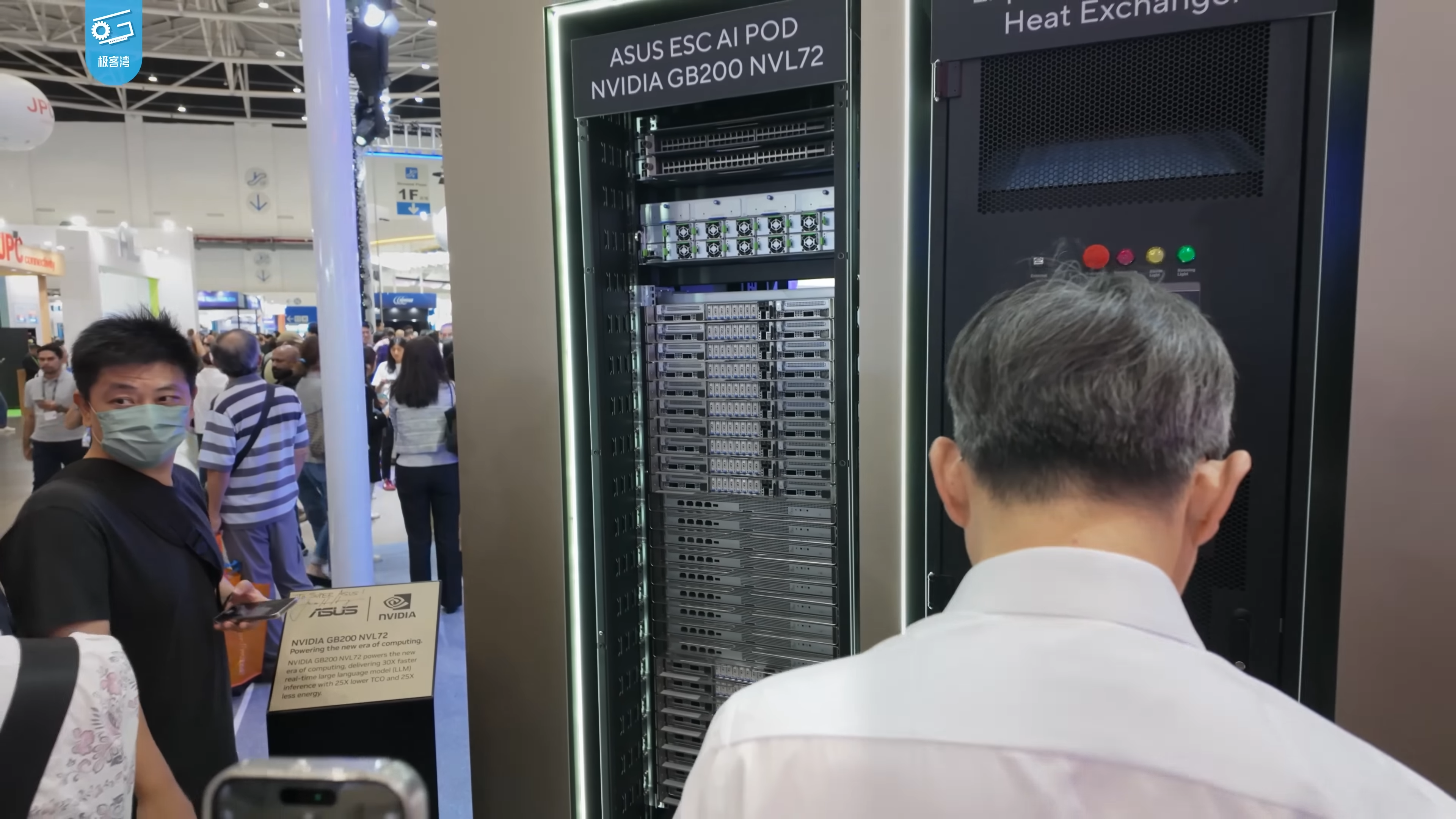
- Architecture: Rubin (advanced packaging, HBM integration)
- Chips:
- Rubin GPU: 336 billion transistors
- Vera CPU: 227 billion transistors
- NVLINK 6 Switch for interconnect
- CX9 & BF4 for networking
- Spectrum-X 102.4T CPO for silicon photonics
- Initial Configuration: NVL72 (limited chip count to control thermal draw)
- Thermal Design Power (TDP): Up to 1950W (cooled by advanced liquid cooling solutions)
The Rubin series is designed to address the evolving needs of hyperscalers and frontier model developers, offering significant performance improvements while mitigating supply chain challenges. The architecture's focus on advanced packaging and HBM integration positions it as a critical component in the next generation of AI infrastructure.
**Who Should Care:**
Data center operators, cloud providers, and AI researchers will be the primary beneficiaries of Rubin's capabilities. Its advanced interconnect and networking solutions are particularly relevant for organizations scaling AI workloads, while its thermal management features ensure reliability in high-density deployments.
The Rubin architecture represents a significant step forward in NVIDIA's data center strategy, balancing innovation with practical production constraints. With initial shipments expected by August, the platform is poised to become a cornerstone of next-generation AI infrastructure.