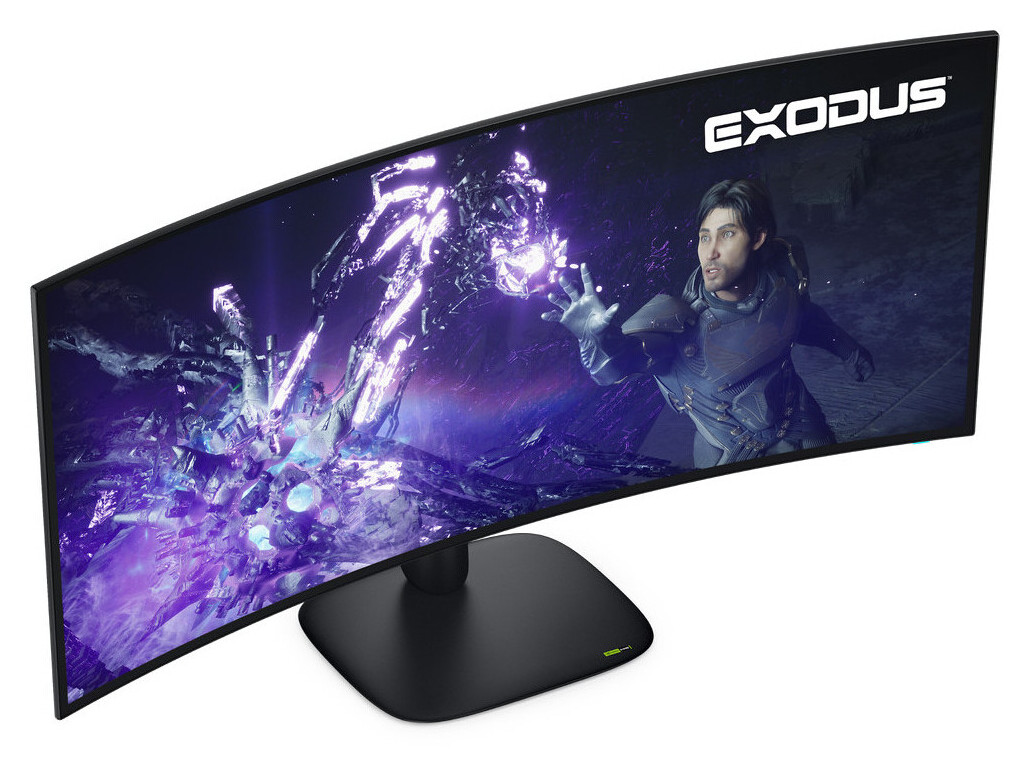
OLED monitors are no longer a niche luxury—they’re becoming the default. After years of slow adoption, the market exploded in 2025, with **3.2 million OLED monitor panels shipped globally**, a **65% jump** from the previous year. Analysts now predict shipments will **exceed 15 million by 2030**, with **56% growth expected in 2026 alone**. The shift isn’t just about gamers anymore; it’s a broad industry transformation.
Just three years ago, OLED monitor shipments barely cracked **500,000 units**. By 2024, that number had **quadrupled to nearly 2 million**, and 2025’s surge proves the technology has crossed a critical threshold. The driving forces? **Lower prices, brighter panels, and wider compatibility**—but the ecosystem behind OLED is just as important as the tech itself.
What OLED Monitors Actually Require in 2026
Unlike TVs or smartphones, OLED monitors aren’t a plug-and-play upgrade. Their performance depends on **three key factors**
- DisplayPort 1.4 (or USB-C with Thunderbolt 4/5): Most high-refresh OLED monitors (240Hz, 280Hz, 360Hz) require **DisplayPort 1.4** to deliver full bandwidth. USB-C adapters exist, but latency and stability can suffer.
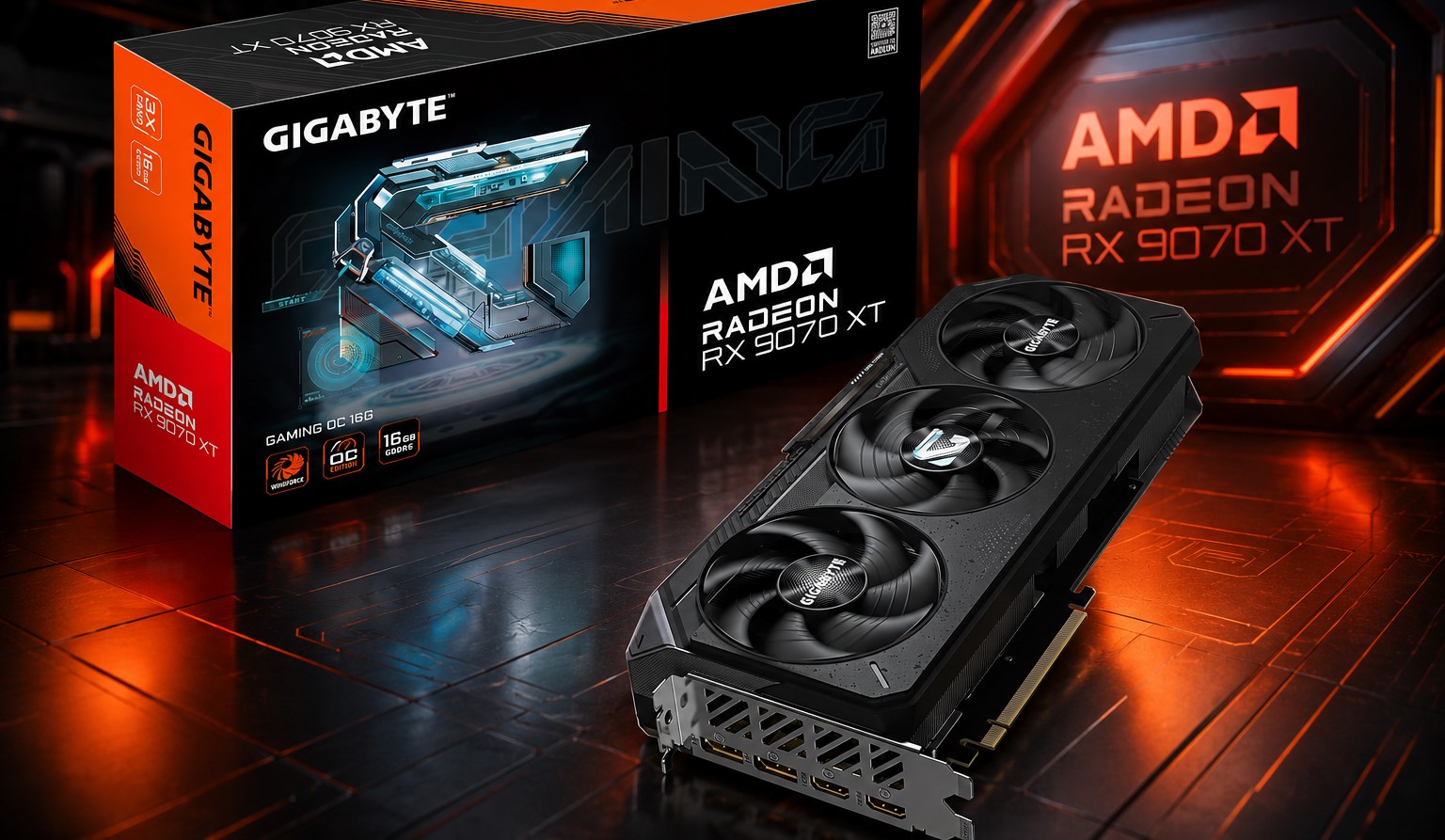
- GPU Compatibility: NVIDIA’s RTX 40-series and AMD’s RX 7000/8000 series handle **4K 144Hz+ on OLED** without issues, but older GPUs may struggle with **240Hz+ or HDR scaling**.
- Power Delivery (PD) for USB-C Models: Many OLED monitors (like the **Gigabyte M32UC** or **ASUS ROG Swift PG32UQX**) need **65W–100W USB-C PD** for stable operation. Laptops like the **MacBook Pro (M3/M4)** or **Dell XPS 16** can power them, but budget USB-C hubs often can’t.
This isn’t just a display upgrade—it’s a **system-level consideration**. A high-end OLED monitor paired with a mid-range GPU might hit **4K 60Hz** but **240Hz only at 1080p**. The ecosystem matters.

Key OLED Panel Tech in 2026: Samsung vs. LG’s Battle
- Samsung QD-OLED: Used in monitors like the **Samsung Odyssey Neo G9 (576Hz)** and **Gigabyte M32UC (280Hz)**. Offers **higher peak brightness (1,200 nits)** and **wider color volume** than WOLED but at a premium price.
- LG Primary RGB Tandem OLED: Powers models like the **LG UltraGear 27GR95QE-B (280Hz)**. Features **four sub-pixels per pixel** for **better grayscale and brightness (1,000 nits)**, but slightly lower contrast than Samsung’s QD-OLED.
- WOLED (Standard OLED): Still dominates budget-friendly options (e.g., **ASUS ROG Swift PG27UQX**). **Lower power draw** but **dims faster** under sustained use.
The choice between **QD-OLED, Primary RGB, or WOLED** now hinges on **use case**: Gamers chasing **280Hz+** will pay for QD-OLED; content creators may prefer **LG’s color accuracy**; and budget buyers will stick with **WOLED**. The gap in brightness and longevity is closing, but **price remains the biggest hurdle**—a **32-inch QD-OLED monitor now starts around $800**, while a **27-inch Primary RGB model hovers near $600**. The savings over LCD IPS panels? **$300–$500**—but only if your system can handle it.
Who Benefits Most?
**Gamers** are the biggest winners—**360Hz OLED monitors** like the **Alienware AW3423DW** now deliver **ultra-smooth competitive edges**, but only with **RTX 4090-level GPUs**. Meanwhile, **creators** gain from **LG’s 1,000-nit brightness** and **98% DCI-P3 coverage**, ideal for video editing. **Office workers**? They’re stuck in the middle—**4K 60Hz OLED** exists, but **burn-in risks** and **higher costs** make it a hard sell over IPS.
The real bottleneck isn’t the panels—it’s the **supporting hardware**. A **$1,500 OLED monitor** paired with a **$600 GPU** and a **$300 USB-C dock** adds up fast. But for those who can afford it, the payoff is clear: **faster refresh rates, deeper blacks, and HDR that finally feels worth the hype**. The question isn’t *if* OLED will dominate—it’s *when* the ecosystem catches up.
The next frontier? **120Hz 4K OLED for laptops**—but that requires **next-gen GPUs and USB4 Power Delivery**. Until then, the OLED revolution is here—but only for those willing to invest.