OLED monitors are reshaping expectations for display quality, delivering deeper blacks, sharper motion, and more vibrant colors than ever before. But beneath the surface, these panels are forcing a reckoning with power consumption and heat output—factors that have long been overlooked in favor of visual performance.
The latest generation of OLED monitors, such as the LG UltraFine OLED Pro 27WQHD, showcases contrast ratios reaching 1,000,000:1 under static conditions and 30,000:1 dynamically. Response times dip below 0.1ms, making them a natural choice for competitive gamers and fast-paced workflows. Yet, these advancements come with a catch: power draw can spike to 30 watts at maximum brightness, nearly doubling the consumption of traditional LCD panels.
Power and Heat: The Unseen Challenges
The shift from backlit LCDs to self-emissive OLED pixels has disrupted long-standing assumptions about display efficiency. While OLED excels in low-light scenarios with its perfect blacks, brightness levels beyond 400 nits (or 600 nits for non-HDR models) trigger a noticeable increase in power consumption and heat generation. This is particularly problematic for desktop setups, where cooling solutions are often an afterthought compared to laptops.
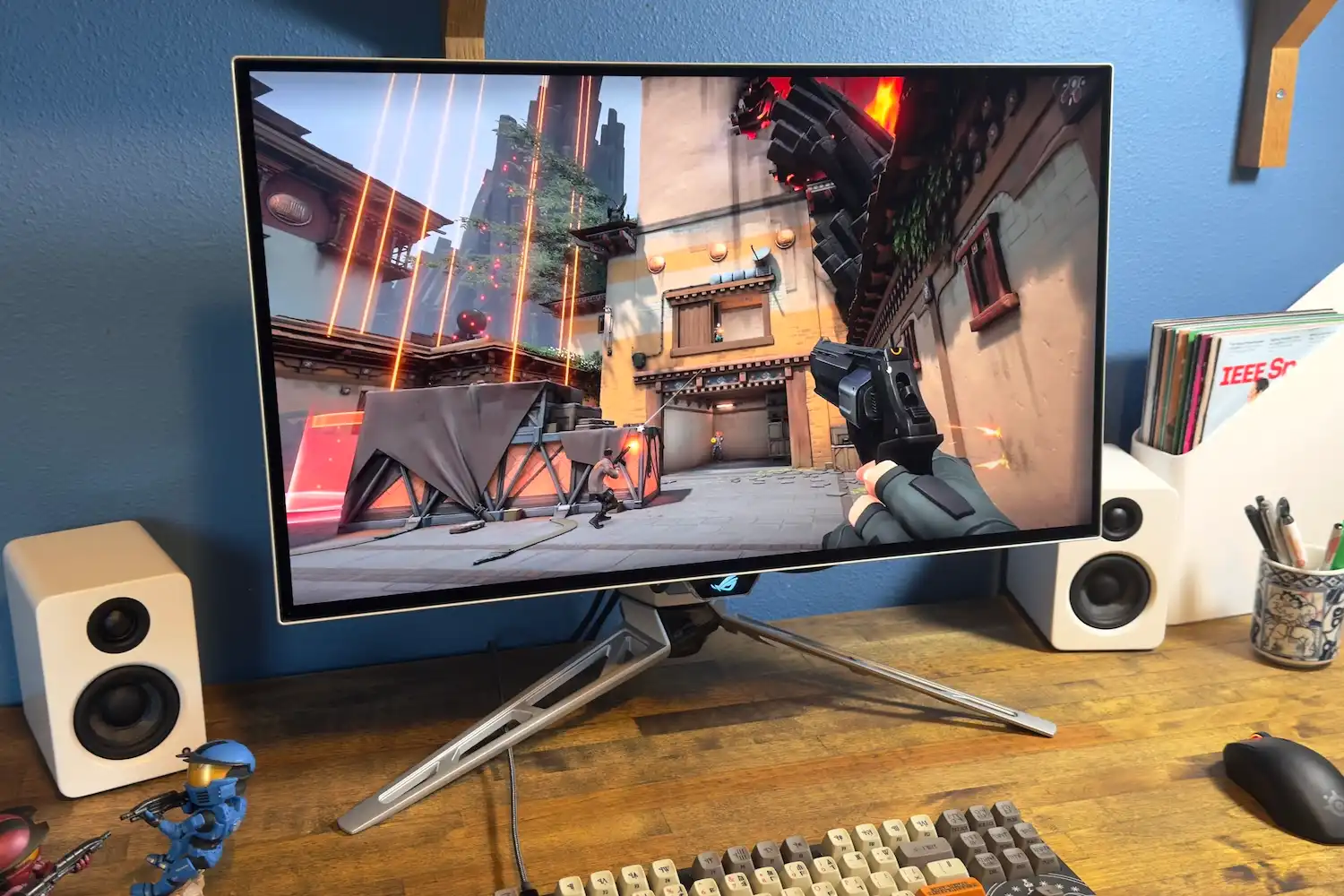
- Contrast ratio: 1,000,000:1 (static), 30,000:1 (dynamic)
- Response time: Sub-0.1ms (GTG)
- Brightness range: Up to 400 nits (HDR) or 600 nits (non-HDR models)
The implications for PC builders are significant. Gamers and content creators may find the tradeoffs worthwhile, given the visual gains, but budget-conscious users or those prioritizing longevity might hesitate. The added heat output could also push thermal thresholds on already-constrained systems, potentially limiting overclocking potential or requiring more robust cooling setups.
A Shift in Priorities
The conversation around OLED monitors is evolving beyond raw performance metrics. Power efficiency and thermal management are now central considerations, prompting manufacturers to innovate in areas like power delivery solutions and active cooling technologies. As production scales, pricing may become a key differentiator, with premiums over LCD panels likely narrowing over time.
The Future of OLED
For now, the question isn’t whether OLED is superior—it’s whether your system can handle it. The visual fidelity is undeniable, but the tradeoffs in power and heat demand a more nuanced approach to PC building. As these challenges are addressed, OLED monitors will solidify their place as the new standard for high-end displays.