A permanent alternative to Adobe's long-standing PDF dominance has surfaced, introducing a one-time payment structure that directly challenges the subscription model that has defined the industry for years. Priced at just $35, this new software suite delivers essential PDF functionality without the recurring costs that have become synonymous with Adobe Acrobat Pro.
This shift arrives at a time when businesses and individuals are increasingly questioning the sustainability of subscription-based software, particularly in environments where predictable expenses are preferred over ongoing financial commitments. The potential for this model to gain traction could force industry giants to reconsider their pricing strategies or risk losing ground to more cost-effective alternatives.
Positioning Within the Ecosystem
The new application is designed as a standalone desktop tool, catering primarily to users who require PDF creation, editing, and optimization without needing integration into Adobe's broader Creative Cloud ecosystem. It supports industry-standard features such as form filling, digital signatures, optical character recognition (OCR), and batch processing—all at a fraction of the cost typically associated with Adobe's offerings.
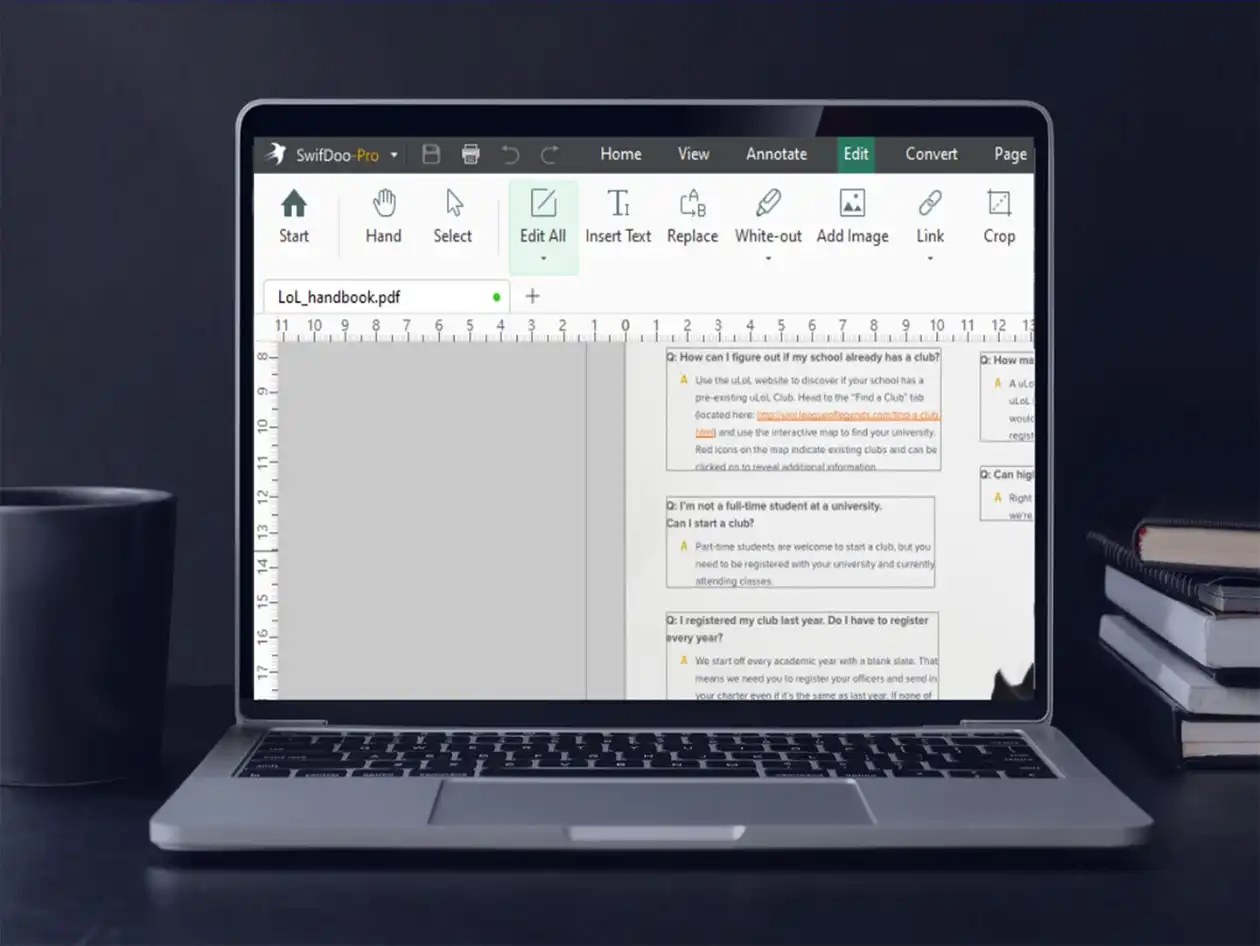
- One-time purchase: $35 (no recurring fees)
- Core PDF tools: editing, annotation, form creation
- No Adobe integration required
- Supported platforms: Windows and macOS
The absence of a subscription requirement is the most notable departure from Adobe's model. While Acrobat Pro demands annual renewals starting at $209, this alternative delivers comparable core functionality upfront, appealing to budget-conscious users or organizations seeking more predictable operational costs.
Balancing Cost and Capability
However, the software does not yet replicate Adobe's advanced collaborative features or seamless integration with other Creative Cloud applications. Users who rely on cloud-based workflows or enterprise-level support may still find themselves dependent on Adobe's ecosystem despite the financial savings.
The long-term success of this model remains uncertain, but if it gains momentum, it could spark a broader reassessment of subscription dependencies across multiple software categories—particularly in sectors where upfront costs are more favorable than recurring ones. For now, potential buyers must weigh the immediate cost benefits against any limitations in advanced functionality.