The race to build scalable AI infrastructure in Europe is hitting a familiar hurdle: storage capacity. As demand for larger models and real-time processing grows, data centers are struggling with memory shortages and power efficiency challenges. Phison is stepping in with an expanded Pascari Gen5 SSD portfolio, designed to break through these constraints by leveraging advanced flash technology to extend system memory without traditional bottlenecks.
Today’s announcement marks a significant shift for the company, moving beyond traditional storage solutions to focus on AI-specific workloads. By integrating its SSDs into enterprise systems through partnerships with AIC and InWin, Phison is demonstrating how flash can serve as an active memory tier—retaining AI states locally rather than relying solely on remote servers. This approach could redefine how data centers balance performance, cost, and power consumption in a market where supply chain instability remains a persistent issue.

Key Details of the Pascari Expansion
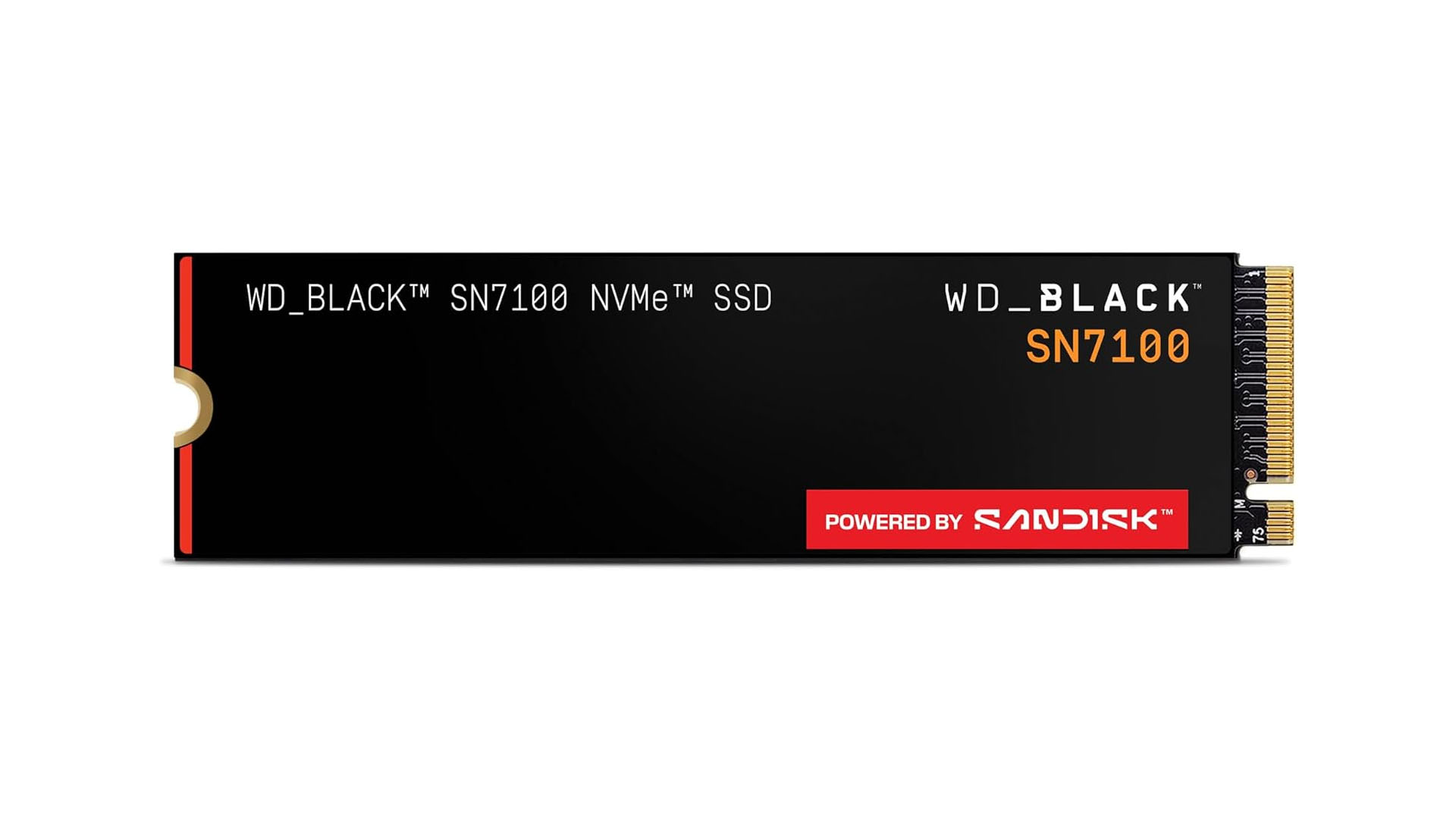
- Pascari X201: A high-performance PCIe Gen5 NVMe SSD optimized for AI, HPC, and low-latency applications. Features enterprise-grade endurance and QoS stability.
- Pascari D201: A high-capacity PCIe Gen 5 SSD designed for data-intensive cloud deployments, balancing performance with cost efficiency.
- aiDAPTIV Technology: Uses flash as an extended memory tier to retain active AI states, enabling longer-context inference on local systems without relying on remote servers.
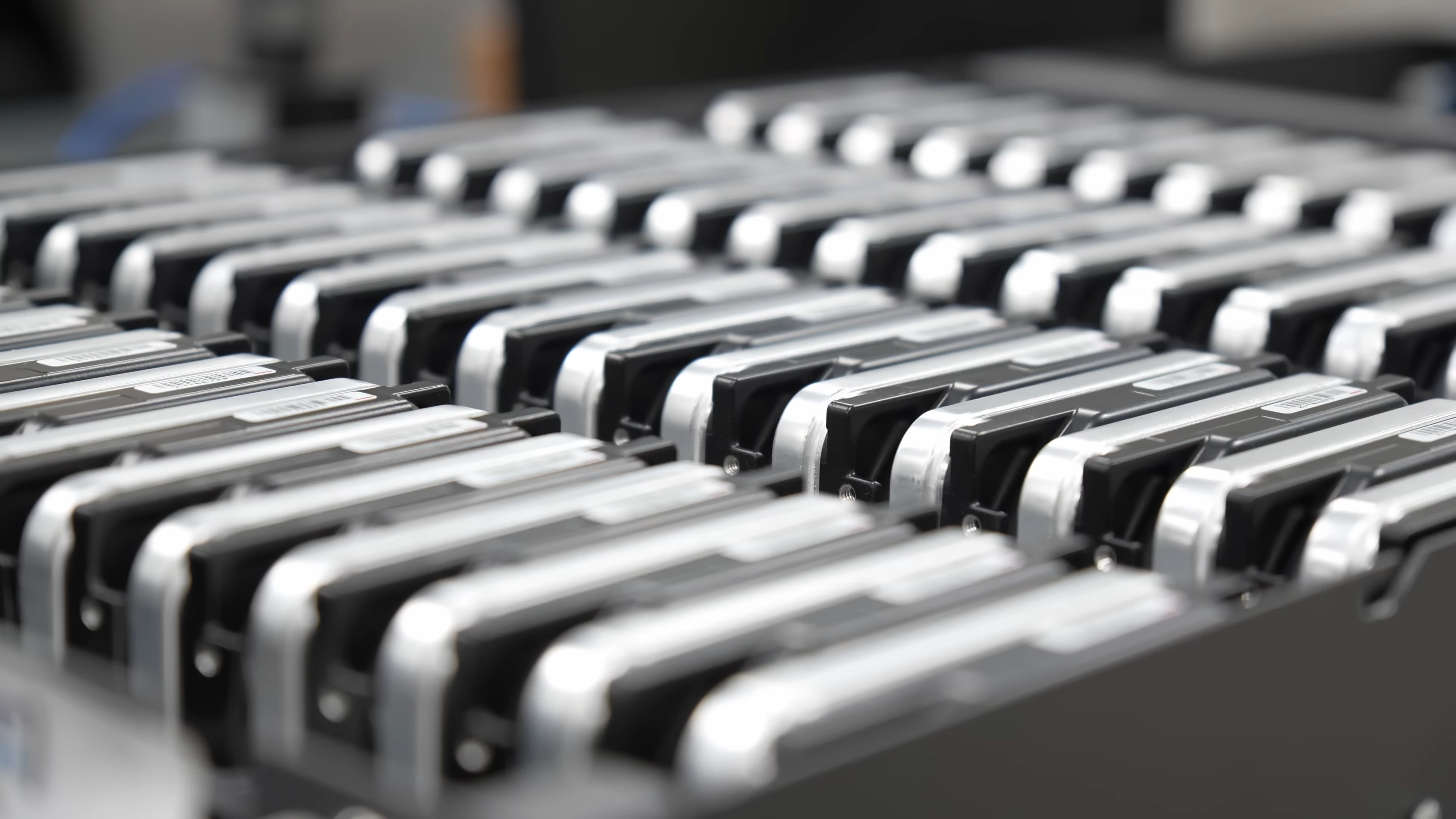
The expansion will be highlighted at CloudFest 2026, where Phison plans to showcase Pascari solutions in high-density configurations. A joint demonstration with AIC will feature a system built around 12 Pascari D205V SSDs, while InWin will display next-generation infrastructure integrations. These demos aim to prove the technology’s viability for both large-scale data centers and smaller deployments where privacy and local processing are priorities.
Impact on AI Infrastructure
The implications of this move stretch beyond Europe’s borders. For developers and IT architects, Pascari offers a way to future-proof storage without waiting for supply chains to stabilize. The lineup is built for mission-critical environments but includes features that could appeal to smaller-scale deployments where power efficiency and data control are key considerations.
While Phison has not yet disclosed pricing or broader rollout timelines, the EU expansion signals a growing trend toward localized AI infrastructure. Whether this approach will resonate globally remains to be seen, but it underscores the urgent need for storage solutions that can adapt to both capacity demands and supply constraints—challenges that are unlikely to fade anytime soon.