Pope Leo XIV has intensified his criticism of artificial intelligence, this time targeting priests who use AI-generated tools to craft sermons. In a recent address to the Diocese of Rome, the Pope stressed the need for clergy to engage more deeply with their communities and prioritize personal reflection over technological shortcuts.
The Pope’s remarks reflect a growing concern about the role of AI in religious practices, echoing his previous stance against creating an AI representation of himself. He has consistently framed AI as a threat to human dignity, justice, and labor, arguing that it risks turning people into passive consumers of pre-packaged ideas rather than active participants in thought.
Reconnecting with Community
The Pope’s advice to priests centers on the importance of understanding their communities—knowing their needs, challenges, and nuances. He emphasized that a genuine connection with the community requires shared effort and mutual listening, rather than relying on AI-generated content that lacks depth or personal insight.
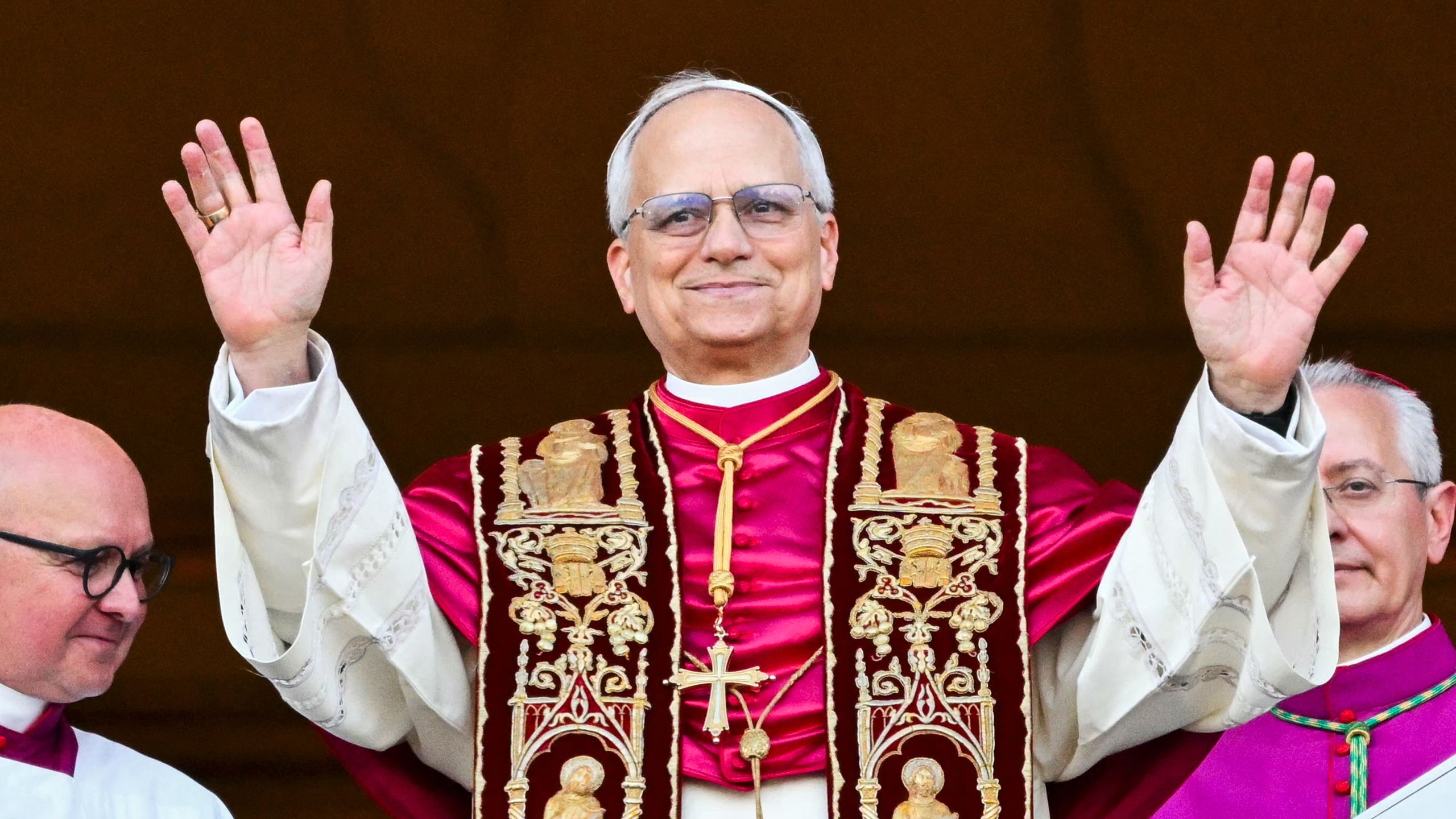
- Priests are urged to prioritize prayer and reflection over brief, formulaic practices like the breviary.
- The Pope highlighted the need for clergy to 'rekindle the fire' of their ministry by engaging more deeply with both their faith and their communities.
A Broader Critique of AI
This latest admonishment is part of a broader pattern in which Pope Leo XIV has positioned himself as a vocal critic of AI’s potential to dehumanize religious and social interactions. His previous statements have included a refusal to authorize an AI Pope, calling such efforts 'an empty, cold shell that will do great damage to what humanity is about.'
While his remarks carry significant weight in religious circles, they also resonate with broader debates about the ethical implications of AI in professional and creative fields. The Pope’s call for a return to personal effort and human connection serves as a reminder of the value of authenticity in an increasingly digital world.